← The Polylog Crypto Intelligence Brief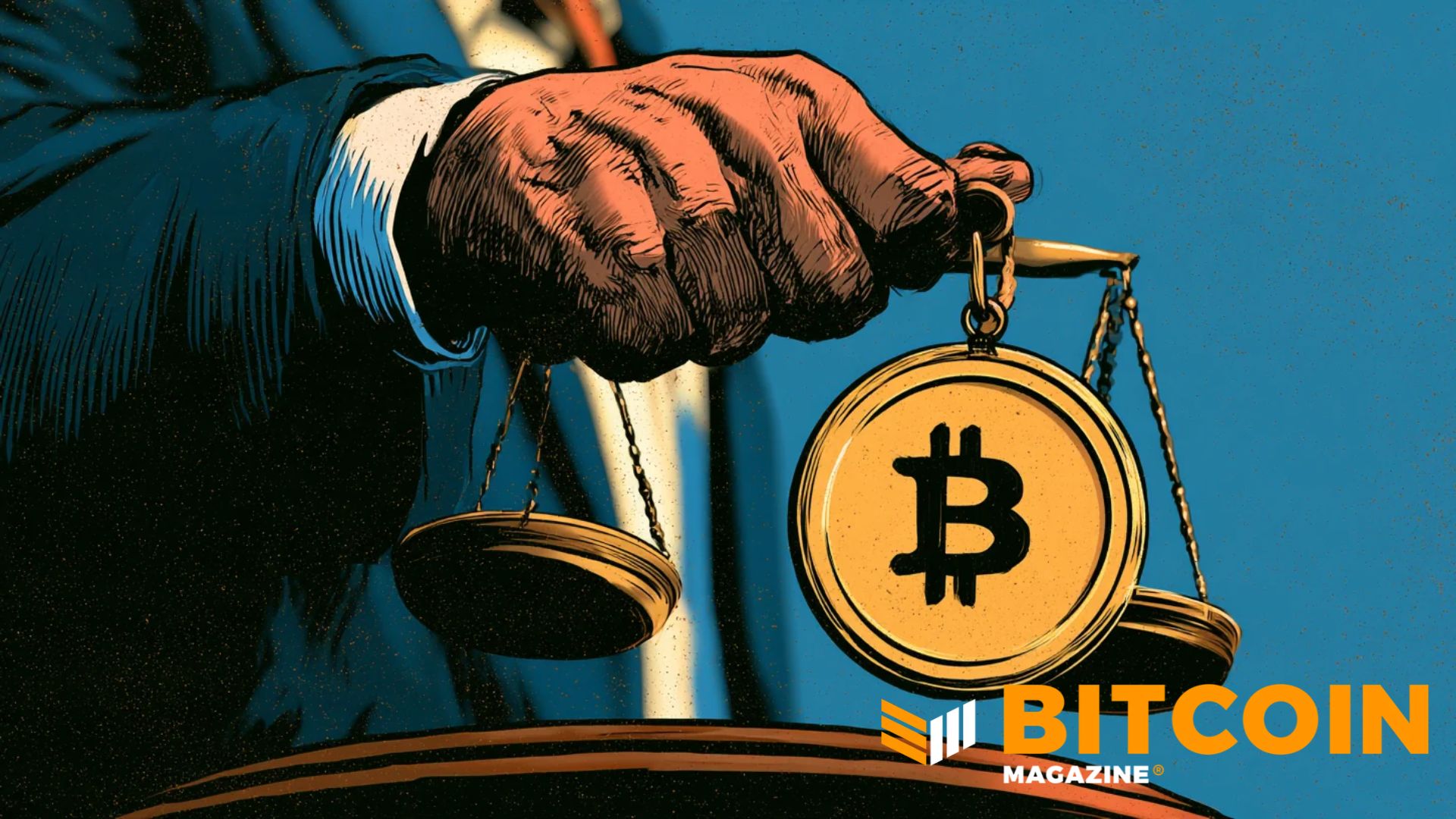
Morning Edition · Thursday, November 26, 2026Published at 12:44 AM EST · New York
Justice Department Moves to Seize $1.1 Billion in USD Coin From North Korea's Binance Theft as Laundering Shifts Toward Bitcoin
Elliptic estimates that about $3.11 billion of the roughly $6.4 billion taken on Oct. 29 still sits in linked addresses, and Decrypt reports that $247 million has passed through bitcoin mixers.
The United States Department of Justice (DOJ) has moved to permanently forfeit more than $1.1 billion in USD Coin (USDC) tied to the theft from Binance. The Federal Bureau of Investigation (FBI) has attributed that theft to North Korea. A seizure is possible because USDC's issuer can freeze tokens at the contract level, so a court order can reach the funds wherever they sit on chain.
In an alert published on Oct. 31, the FBI named TraderTraitor, a unit within the Lazarus hacking ecosystem, as responsible for the roughly $6.3 billion theft of Oct. 29. Richard Teng, Binance's co-chief executive, described a "complex attack" that began with a compromised employee laptop and malicious software built to delete evidence. That points to an endpoint and operational compromise as the root cause, and no smart-contract flaw has been reported. Binance said it set aside about $6.34 billion of company funds to cover customers. NPR reported that Pyongyang had neither confirmed nor denied responsibility, while other outlets later reported a denial.
The laundering now runs on two tracks. Decrypt, citing Elliptic, reported that about $3.11 billion of the $6.43 billion stolen remains in linked addresses. Decrypt separately reported that $247 million has moved through bitcoin mixers, services that combine many users' coins to break the transaction trail. Elliptic expects the attackers to swap the remainder into bitcoin and cash out through over-the-counter brokers over several months, as they did after the 2025 Bybit theft. Rekt News has added Binance to its incident list.
The parties have different interests in how this is framed. Prosecutors and Binance benefit from showing that funds can be recovered, and tracing firms benefit from showing that funds can be followed. The on-chain record supports a narrower claim: the stablecoin share of the loot can be seized, while the bitcoin share can only be stopped at an exchange or broker that agrees to act.
The same department says its separate crackdown on fraud has reached more than 800 defendants since March. The DOJ calls it its largest such effort, and Southeast Asian crypto scam centers are among its main targets.
Part of a tracked trend
States Turn Crypto Rails Into Sanctions Instruments
Governments increasingly track, freeze, and seize on-chain assets to enforce sanctions, turning traceable ledgers and centrally controlled stablecoins into extensions of financial statecraft rather than escapes from it.
Townsquare
Start a discussion in Townsquare.
More from this edition
- Scott Aaronson Says AI Is Proving Major Complexity Theorems, Reviving the Debate Over Bitcoin's Elliptic-Curve Security
- Ethereum Researchers Examine How Post-Quantum Signatures Would Change Inclusion Lists, as a New Paper Models Layer-2 Fee Rules
- Lighter and Bullpen Losses Trace to Leaked Trading Keys and Hijacked Accounts Outside Their Smart Contracts
- Kava Lend and K3 Capital Lose About $7 Million to Accounting Flaws, as Mercado Bitcoin's Hot-Wallet Losses Are Put as High as $49 Million
- Zcash Developers Pitch Recursion-Free Scaling and a Script Language as Candidates Declare for Community Grants Seats
- Stanford's David Tse Proposes Bitcoin Covenants Through Witness Encryption, Without a Soft Fork
- 1Password Says an Attacker Used an Employee's GitHub Account to Copy Customer Records, as Bithumb Widens Its Breach Disclosure
Comments
0No comments yet.