← The Global Intelligence Brief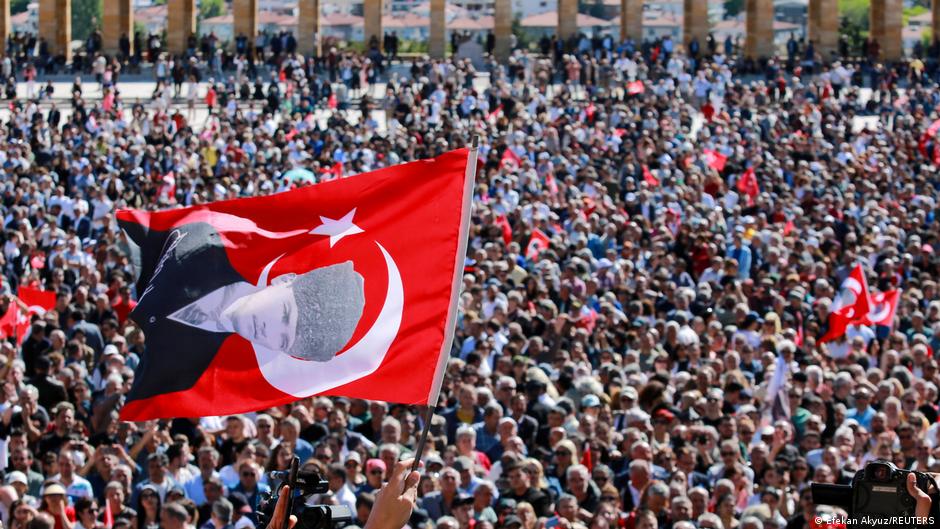
 1 source
Morning Edition · Saturday, May 30, 2026Published at 5:15 PM EDT · New York
Turkey's Ousted Opposition Leader Draws Thousands in Ankara
A court removed the head of the main opposition party, and his supporters call the ruling a political move to remove a rival to President Erdogan.
Ozgur Ozel, the recently ousted leader of Turkey's main opposition party, the Republican People's Party (CHP), drew thousands of supporters to a rally in Ankara, Deutsche Welle reported. A court ruling removed him from the post, and the party says the decision was politically motivated.
The opposition's argument is direct. It contends that the ruling is designed to ensure Ozel cannot challenge President Recep Tayyip Erdogan in the 2028 election, which would remove a potential rival before the campaign begins.
Political interference in opposition leadership is a recurring concern for investors in Turkey, because the perceived independence of courts and institutions shapes confidence in the rule of law and in economic policy. Turkey has experienced repeated episodes of currency weakness and high inflation, and institutional disputes tend to amplify that uncertainty.
The size of the Ankara crowd indicates that the contest is not settled. A prolonged confrontation among the courts, the government and the opposition would add a domestic political risk to an economy that is already managing fragile confidence.
Veracity: Corroborated
84/100- If true, who benefits
President Erdogan and the governing party, which would see a leading 2028 rival removed before the campaign begins through a court ruling that serves the ruling party's interest.
- The nuance
The government frames the removal as a genuine vote-buying case from the 2023 party congress, so the claim that it was "designed to block 2028" is the opposition's characterization rather than an established motive.
An open-source-intelligence read of how likely this story is true with its real nuance, not a judgment of any outlet. It assesses the claim, weighing independent and adversarial reporting. How we label confidence.
What this means
Institutional credibility is an economic variable in Turkey, where the currency and inflation are sensitive to perceptions of political and judicial independence. The reader should view the removal of an opposition leader as a development that can feed into the risk premium on Turkish assets.
What to watch
Source: Deutsche Welle
Townsquare
Start a discussion in Townsquare.
More from this edition
- Iran Asserts Control Over the Strait of Hormuz as Talks With Washington Stall
- SoftBank Pledges 75 Billion Euros for a Large AI Campus in France
- Drone Strikes Zaporizhzhia Nuclear Plant's Turbine Hall, Drawing Russian Threats
- Ukraine Sustains Strikes on Russian Oil Sites as Crimea Rations Fuel
- Israel Pushes Across the Litani Into South Lebanon as Lebanon Warns of Wider War
- A Drone Hits Romania, and European Confidence in NATO's Shield
- Washington Declines Steep Tariffs on Russian Palladium
- Satellite Images Show China Building Launch Pads Near Nuclear Silos
Comments
0No comments yet.