← The Global Intelligence Brief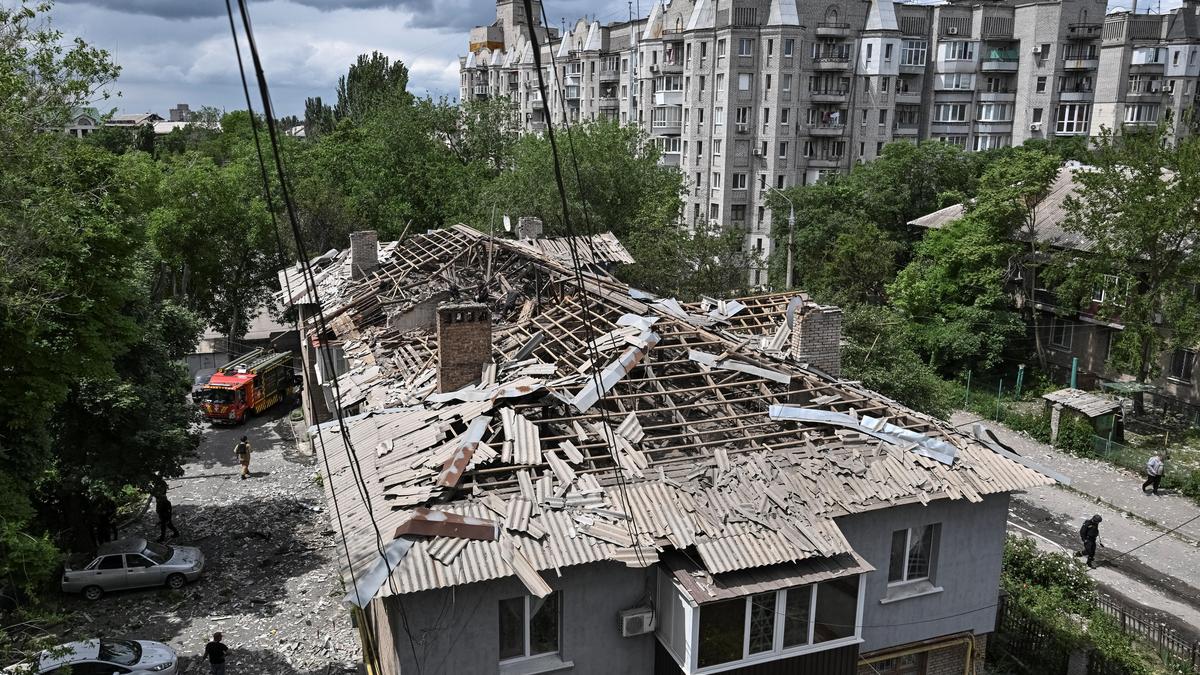

 2 sources
Morning Edition · Saturday, May 30, 2026Published at 5:15 PM EDT · New York
Ukraine Sustains Strikes on Russian Oil Sites as Crimea Rations Fuel
Kyiv keeps targeting Russian refining and energy infrastructure while occupied Crimea restricts gasoline sales, a sign of pressure on Moscow's fuel supply.
Ukraine is maintaining its campaign against Russian oil infrastructure and expects further strikes, The Hindu reported. Russia has responded by using long-range ballistic missiles to damage Ukraine's power grid and strike its cities, according to the same account. The energy systems of both countries have become primary targets.
The pressure is visible inside Russian-controlled territory. The head of occupied Crimea announced restrictions on gasoline sales beginning May 31, Kommersant reported. Under the rules, the higher-octane AI-95 grade will be sold on a priority basis for municipal and social transport and through coupons, while the AI-92 grade will be limited to 20 liters per vehicle.
Rationing of fuel sales is a concrete economic indicator. It suggests that the combination of Ukrainian strikes on refineries and logistics, together with the broader strain on Russia's fuel distribution, is now reaching consumers rather than remaining confined to export accounting.
For the wider economy, the campaign matters most through Moscow's oil revenue, which funds the state budget. Repeated damage to refining and storage reduces the volume Russia can process and sell, even as global crude prices remain sensitive to events in the Gulf.
Veracity: Corroborated
82/100- If true, who benefits
Ukraine, whose case is that its long-range strikes are degrading Russian war finances and now reaching Russian-controlled consumers, not just export accounting.
- The nuance
Occupation authorities attribute the rationing to land-corridor logistics rather than direct refinery destruction, and the step from fuel coupons to a measurable hit on Moscow's oil revenue is inferred, not yet quantified.
An open-source-intelligence read of how likely this story is true with its real nuance, not a judgment of any outlet. It assesses the claim, weighing independent and adversarial reporting. How we label confidence.
What this means
Russia's war finances rest on energy income, and disruptions to refining and domestic fuel supply tighten the budget that pays for the conflict. Fuel rationing in Crimea is a measurable sign that the energy war is degrading capacity, which has implications for both Russian revenue and regional oil-product balances.
What to watch
Synthesized from: The Hindu · Kommersant
Townsquare
Start a discussion in Townsquare.
More from this edition
- Iran Asserts Control Over the Strait of Hormuz as Talks With Washington Stall
- SoftBank Pledges 75 Billion Euros for a Large AI Campus in France
- Drone Strikes Zaporizhzhia Nuclear Plant's Turbine Hall, Drawing Russian Threats
- Israel Pushes Across the Litani Into South Lebanon as Lebanon Warns of Wider War
- A Drone Hits Romania, and European Confidence in NATO's Shield
- Washington Declines Steep Tariffs on Russian Palladium
- Satellite Images Show China Building Launch Pads Near Nuclear Silos
- PSG Retains the Champions League, a Win for Gulf Capital Over American Ownership
Comments
0No comments yet.