← The Global Intelligence Brief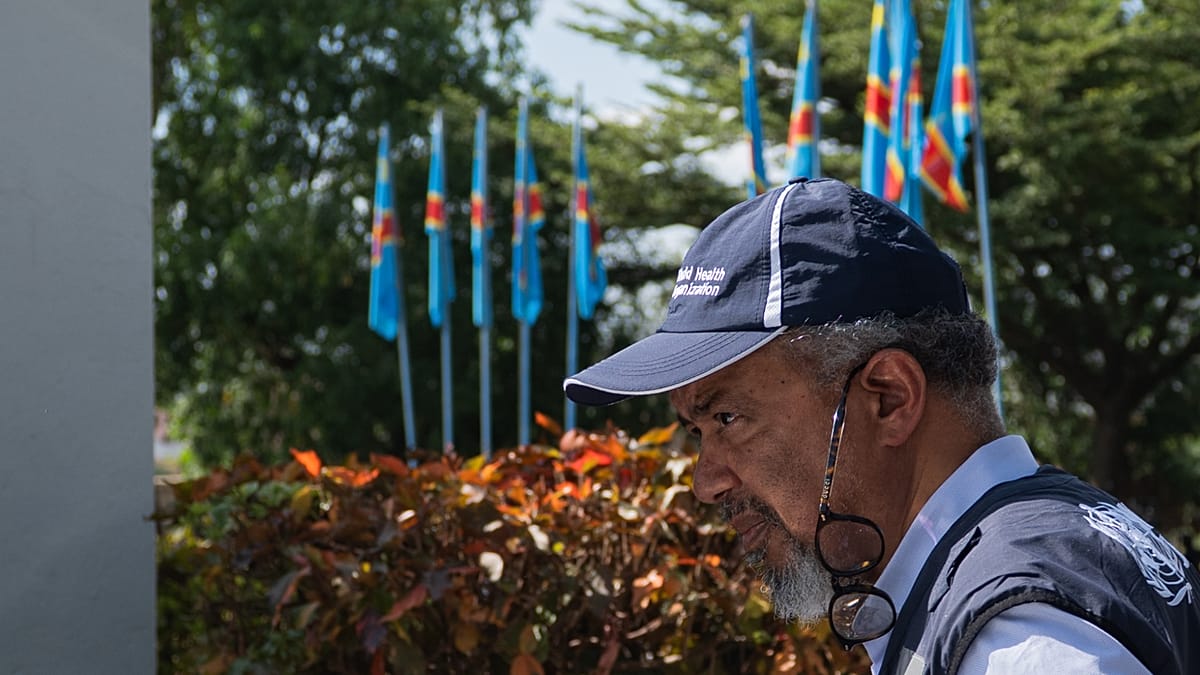


 3 sources
Morning Edition · Saturday, May 30, 2026Published at 5:15 PM EDT · New York
Ebola Outbreak in Congo Widens as WHO Chief Visits the Epicenter
More than 1,000 suspected cases and over 240 deaths have been recorded in the Democratic Republic of Congo, with women among those most affected.
Tedros Adhanom Ghebreyesus, the director general of the World Health Organization (WHO), traveled to Ituri province in the Democratic Republic of Congo to support the response to an outbreak of a rare strain of Ebola, Euronews reported. The agency recorded more than 1,000 suspected cases and 246 deaths and emphasized the need for community-level work.
The burden is uneven. Al Jazeera reported that women bear the brunt of the outbreak, reflecting their role as primary caregivers, which exposes them to infection. The New York Times noted that aid agencies are working urgently to help underequipped health workers, with more than 245 people now suspected to have died, in its outbreak explainer.
Epidemics carry economic weight beyond the immediate human toll. They disrupt local trade, agriculture and labor, and a severe regional outbreak can interrupt the production and transport of commodities that matter to global supply.
The accounts agree on the scale. More than a thousand suspected cases, about 246 deaths, an under-resourced health system, and a high-level visit intended to mobilize the affected communities.
What this means
A spreading Ebola outbreak is both a humanitarian emergency and a low-probability, high-impact risk (tail risk) to regional economic activity and commodity logistics in central Africa. The reader should monitor whether containment succeeds, because a wider epidemic would have effects that reach beyond public health.
What to watch
- Case and death counts and whether the outbreak spreads beyond Ituri
- Deployment of vaccines and treatments to the affected area
- Any impact on regional mining and transport corridors
Observations to monitor, not financial advice.
Synthesized from: Euronews · Al Jazeera · The New York Times
Townsquare
Start a discussion in Townsquare.
More from this edition
- Iran Asserts Control Over the Strait of Hormuz as Talks With Washington Stall
- SoftBank Pledges 75 Billion Euros for a Large AI Campus in France
- Drone Strikes Zaporizhzhia Nuclear Plant's Turbine Hall, Drawing Russian Threats
- Ukraine Sustains Strikes on Russian Oil Sites as Crimea Rations Fuel
- Israel Pushes Across the Litani Into South Lebanon as Lebanon Warns of Wider War
- A Drone Hits Romania, and European Confidence in NATO's Shield
- Washington Declines Steep Tariffs on Russian Palladium
- Satellite Images Show China Building Launch Pads Near Nuclear Silos
Comments
0No comments yet.