← The Global Intelligence Brief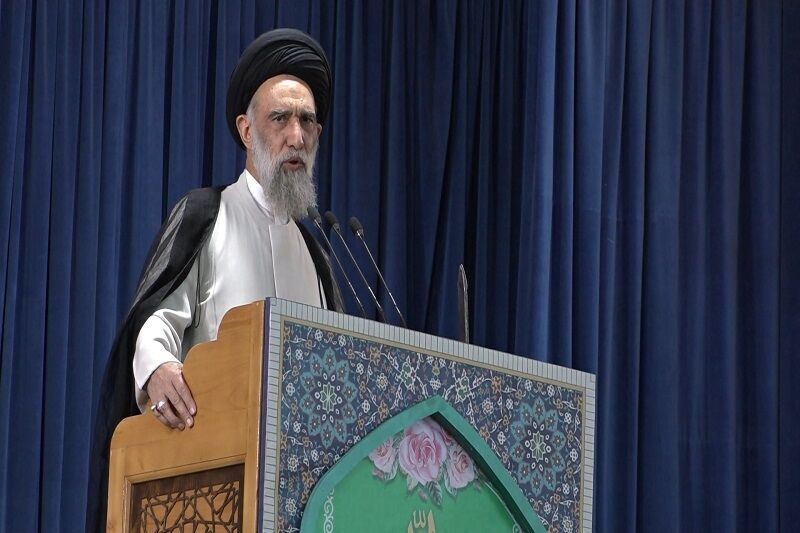
 2 sources
Morning Edition · Friday, June 5, 2026Published at 7:29 AM EDT · New York
Iran Frames the Strait of Hormuz as Untouchable as Pressure From Washington Mounts
Clerics described the waterway and national resilience as non-negotiable, while a maximum-pressure campaign keeps oil markets and regional security tense.
Iranian clerics used Friday sermons to set out hard positions on the country's standoff with the United States. In Isfahan, a prayer leader told Iran's state news agency, the Islamic Republic News Agency (IRNA) that the Strait of Hormuz would never be handed to enemies, calling it, in his words, the staff of Moses. The statement is an assertion of Iran's claim over the waterway through which much of the world's oil passes.
Other clerics framed the conflict in terms of national endurance. A prayer leader in Zabol said the United States has a problem with the Iranian, Islamic and revolutionary identity of the nation, accusing Washington of waging a combined war to weaken public resilience and to create doubt. Sermons elsewhere warned of attempts to divide officials from the people during negotiations. These are official state messages delivered through clerics, and they present Tehran's framing of the standoff.
The rhetoric has a market dimension. Disruptions to energy flows through the Strait of Hormuz have helped keep oil prices elevated, which in turn adds to inflation concerns that constrain central banks, a link cited in commodity commentary this week. As Washington tightens sanctions, shipping interdiction and asset seizures, Iran's insistence that the strait is non-negotiable sustains a low-probability but serious risk to global crude supply.
Veracity: Plausible
68/100- If true, who benefits
Tehran, which uses Hormuz rhetoric for deterrence, and oil bulls who profit from a sustained risk premium on crude.
- The nuance
The specific sermon quotes rest entirely on the state agency IRNA, and clerical rhetoric about an "untouchable" strait is messaging that is separate from Iran's actual capacity or intent to close it.
An open-source-intelligence read of how likely this story is true with its real nuance, not a judgment of any outlet. It assesses the claim, weighing independent and adversarial reporting. How we label confidence.
What this means
Iran's framing of Hormuz as an absolute red line is aimed at deterrence, and it keeps a premium in oil prices that contributes to global inflation. The maximum-pressure campaign from Washington raises the odds of an incident in one of the world's most important shipping chokepoints.
What to watch
- Any United States move to interdict Iranian shipping or seize Iranian assets.
Synthesized from: IRNA (Farsi) · IRNA (Farsi)
Townsquare
Start a discussion in Townsquare.
More from this edition
- Crypto Posts Its Worst Week Since 2024 as Bitcoin Slides Toward 61,000 Dollars
- Euro Area Economy Contracted 0.2 Percent in the First Quarter, Eurostat Confirms
- Putin Headlines St. Petersburg Forum as Russia Debates Whether to Stop Cooling Its Economy
- Zelensky Asks Putin for a Face-to-Face Meeting as Both Sides Swap 185 Prisoners
- Nuclear Agency Brokers a Local Truce to Repair Power Line at Zaporizhzhia Plant
- Naval Drone Explodes in Romania's Constanta Port, Drawing the War Closer to NATO Soil
- Israeli Fire Kills at Least 18 in Gaza as Hunger Experts Warn of Worst-Case Famine
Comments
0No comments yet.