← The Global Intelligence Brief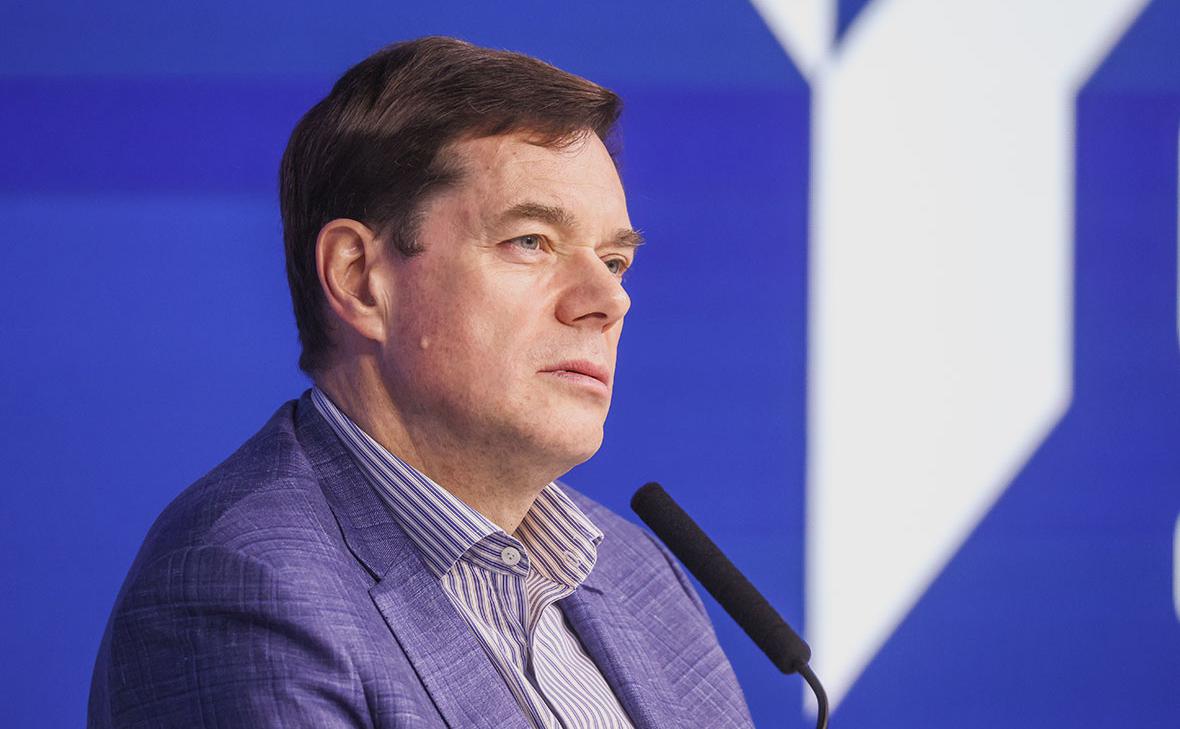


 3 sources
Morning Edition · Friday, June 5, 2026Published at 7:29 AM EDT · New York
Putin Headlines St. Petersburg Forum as Russia Debates Whether to Stop Cooling Its Economy
Business leaders pressed for relief from high interest rates as official data showed strong employment and rising wages alongside slowing growth.
President Vladimir Putin delivered the keynote at the plenary session of the St. Petersburg International Economic Forum on Friday, the country's main annual event for attracting investors, held this year under the theme of pragmatic dialogue. The event, profiled by Al Jazeera, comes as Russia's wartime economy slows after two years of rapid, state-driven expansion.
The central tension was monetary. The steelmaking billionaire Alexei Mordashov told RBC that the policy of cooling the economy should be reconsidered, arguing that domestic restrictions now constrain business more than Western sanctions do. His complaint is directed at the Bank of Russia's key interest rate, which was 16.5 percent late last year as the central bank worked to curb inflation. The Bank of Russia governor, Elvira Nabiullina, who skipped the forum, has said she will not ease policy prematurely to reach the 4 percent inflation target.
Official figures released around the forum were presented to look strong. Deputy Prime Minister Tatyana Golikova reported a record level of employment, and Moscow Mayor Sergei Sobyanin said the capital's wage funds rose 14 percent in the first quarter against inflation he put at 4 to 5 percent. Komsomolskaya Pravda summarized inflation, wage growth and the key rate as the dominant themes of Putin's address.
From an Austrian perspective, this is the classic strain of a credit-fueled boom reaching its limits. Heavy military and state spending raised output and wages, but the central bank's high rate is now the cost of containing the inflation that spending created. The conflict between industrialists demanding cheaper money and a central bank refusing to provide it is a familiar stage of the cycle, in which the malinvestment of the boom must either be financed at high rates or written down.
Veracity: Corroborated
80/100- If true, who benefits
Russian industrialists pressing for cheaper credit and a Kremlin keen to project a resilient, growing war economy to forum guests.
- The nuance
The record-employment and wage figures come from state officials, and Nabiullina's "called in sick" absence is itself disputed, with Vedomosti reporting she attended an adviser's funeral.
An open-source-intelligence read of how likely this story is true with its real nuance, not a judgment of any outlet. It assesses the claim, weighing independent and adversarial reporting. How we label confidence.
What this means
The debate inside Russia reflects a wider problem for economies that expanded rapidly on cheap credit and public spending. Once inflation becomes entrenched, the central bank cannot lower rates without risking a fresh price surge, and growth stalls. The pressure on Nabiullina to ease will reveal how independent monetary policy remains in a war economy.
What to watch
Synthesized from: RBC · Komsomolskaya Pravda · RIA Novosti
Townsquare
Start a discussion in Townsquare.
More from this edition
- Crypto Posts Its Worst Week Since 2024 as Bitcoin Slides Toward 61,000 Dollars
- Euro Area Economy Contracted 0.2 Percent in the First Quarter, Eurostat Confirms
- Zelensky Asks Putin for a Face-to-Face Meeting as Both Sides Swap 185 Prisoners
- Nuclear Agency Brokers a Local Truce to Repair Power Line at Zaporizhzhia Plant
- Naval Drone Explodes in Romania's Constanta Port, Drawing the War Closer to NATO Soil
- Israeli Fire Kills at Least 18 in Gaza as Hunger Experts Warn of Worst-Case Famine
- Chinese Officers Inspect Russian Bases as Putin Calls the Two Countries Natural Allies
- Iran Frames the Strait of Hormuz as Untouchable as Pressure From Washington Mounts
Comments
0No comments yet.