← The Global Intelligence Brief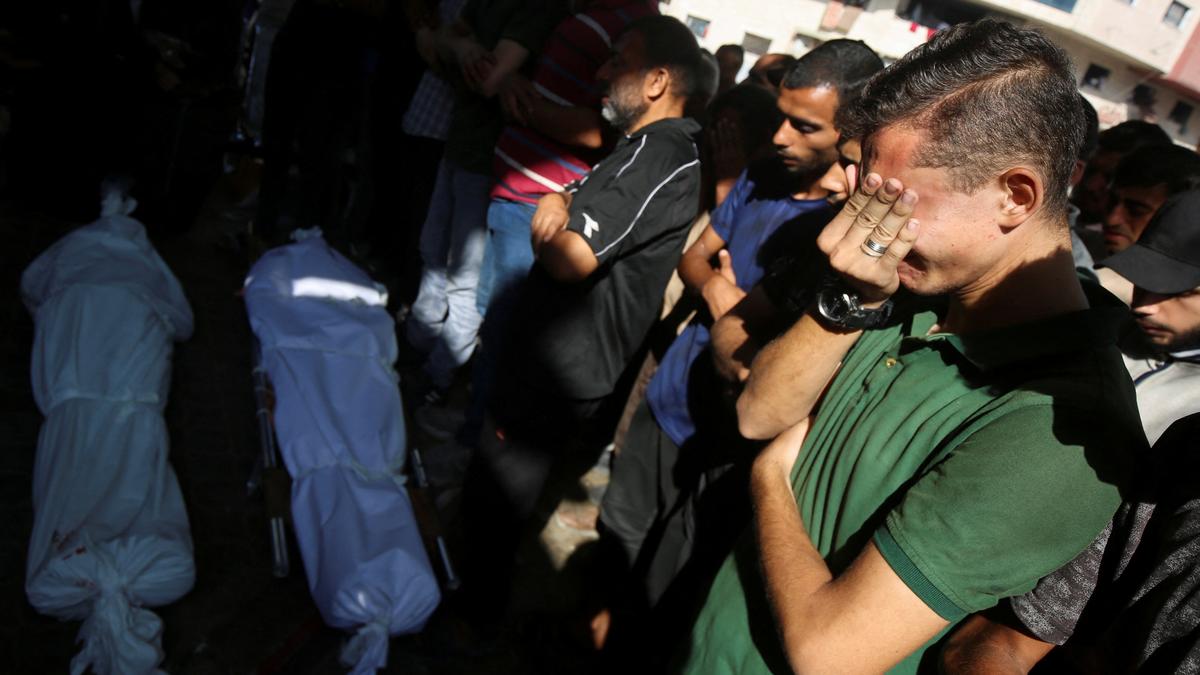

 2 sources
Morning Edition · Friday, June 5, 2026Published at 7:29 AM EDT · New York
Israeli Fire Kills at Least 18 in Gaza as Hunger Experts Warn of Worst-Case Famine
The deaths of aid seekers compounded a humanitarian emergency that international monitors this week labeled a worst-case scenario.
At least 18 people were killed by Israeli fire in Gaza, The Hindu reported, many of them as they sought aid. The danger facing people trying to reach food distribution points has compounded what international hunger experts this week described as a worst-case scenario of famine in the besieged territory.
The human cost behind the figures drew attention from across the region. Al Jazeera documented the account of a mother whose children were killed in Israeli strikes, part of its sustained coverage of the war's effect on civilians. The same report noted a visit by a United States envoy to a protest by families of hostages held in Gaza, a reminder that domestic pressure inside Israel comes from more than one direction.
The fighting continued beyond Gaza's borders. Israeli strikes in the southern Lebanese city of Tyre killed at least seven people, The Hindu reported separately, as the military issued new evacuation warnings for nine towns and villages. Accounts of casualty figures and circumstances differ sharply between Israeli, Lebanese and regional sources, and independent verification remains limited.
Veracity: Corroborated
85/100- If true, who benefits
Critics of Israel's conduct and Hamas's narrative, while the hostage-family protest pressure complicates any single framing inside Israel.
- The nuance
The IPC famine classification and the pattern of aid-seeker deaths are well documented, but the exact daily toll comes from Gaza authorities and Israeli and independent accounts of each incident diverge.
An open-source-intelligence read of how likely this story is true with its real nuance, not a judgment of any outlet. It assesses the claim, weighing independent and adversarial reporting. How we label confidence.
What this means
A declared famine and continued civilian deaths sustain the diplomatic and reputational costs of the war for Israel and its backers, and they keep regional escalation risk elevated. For markets, the persistent conflict sustains the oil-price premium tied to Middle East instability.
What to watch
Synthesized from: The Hindu · Al Jazeera
Townsquare
Start a discussion in Townsquare.
More from this edition
- Crypto Posts Its Worst Week Since 2024 as Bitcoin Slides Toward 61,000 Dollars
- Euro Area Economy Contracted 0.2 Percent in the First Quarter, Eurostat Confirms
- Putin Headlines St. Petersburg Forum as Russia Debates Whether to Stop Cooling Its Economy
- Zelensky Asks Putin for a Face-to-Face Meeting as Both Sides Swap 185 Prisoners
- Nuclear Agency Brokers a Local Truce to Repair Power Line at Zaporizhzhia Plant
- Naval Drone Explodes in Romania's Constanta Port, Drawing the War Closer to NATO Soil
- Chinese Officers Inspect Russian Bases as Putin Calls the Two Countries Natural Allies
Comments
0No comments yet.