← The Global Intelligence Brief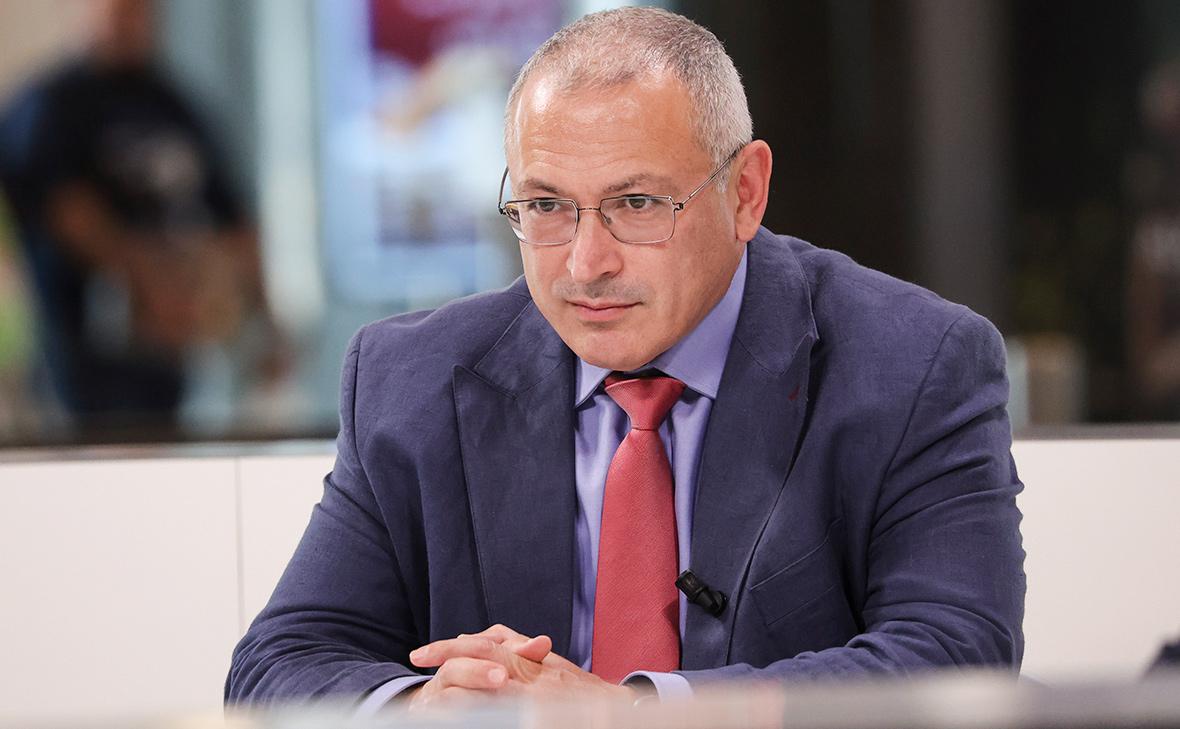
 1 source
Morning Edition · Monday, June 8, 2026Published at 7:14 AM EDT · New York
A Moscow Court Sentences Khodorkovsky to 10 Years in Absentia
The former oil tycoon and prominent Kremlin critic was convicted on charges of spreading false information about the army.
A court in Moscow sentenced Mikhail Khodorkovsky to 10 years in prison in absentia, convicting him on two counts of spreading false information about the Russian armed forces, RBC reported. Prosecutors had sought 14 years for the former head of the Yukos oil company, once Russia's richest man before his arrest and imprisonment in the 2000s.
Khodorkovsky, who lives abroad and has become one of the most prominent figures in the exiled Russian opposition, is among a growing number of critics tried and convicted while outside the country. The "false information" statute under which he was sentenced has been used widely against people who challenge the official account of the war in Ukraine.
The case is a reminder of how the Russian state continues to use the courts against opponents beyond its borders, reinforcing the message that dissent carries legal consequences regardless of where a critic lives. For the business class that once surrounded Khodorkovsky, his path remains a warning of the cost of political confrontation with the Kremlin.
Veracity: Plausible
60/100- If true, who benefits
The Kremlin, which signals to exiled critics that dissent carries legal consequences abroad, while the opposition can present the verdict as evidence of political persecution.
- The nuance
The specific claim of a 10-year in-absentia sentence for spreading false information about the army comes from Russian state media and could not be independently confirmed, and the public record on Khodorkovsky centers on separate charges of public calls to terrorism, so the exact charge and term remain unverified.
An open-source-intelligence read of how likely this story is true with its real nuance, not a judgment of any outlet. It assesses the claim, weighing independent and adversarial reporting. How we label confidence.
What this means
The in-absentia sentence underscores the durability of Russia's legal campaign against exiled critics, a situation that shapes the environment for investment and entrepreneurship inside the country. It signals continuity, not moderation, in the Kremlin's treatment of dissent as the war continues.
What to watch
Source: RBC
Townsquare
Start a discussion in Townsquare.
More from this edition
- South Korea Leads a Global Equity Selloff as Strong US Jobs Data Revives Fed Hike Fears
- Iran and Israel Resume Missile Strikes, Pushing Brent Crude Above 96 Dollars
- Gold Slips Below Its 200-Day Average as a Stronger Dollar Pressures Hard Assets
- Jet Fuel Costs From the Iran War Erase Half of Airlines' Expected Profit
- Xi Jinping Visits North Korea, His First Trip to Pyongyang in Seven Years
- Pashinyan's Party Wins Armenia Election, Signaling a Turn Away From Moscow
- IMF Chief Warns the World Has Not Adjusted to Repeated Economic Shocks
- Canada Pitches 'Fortress North America' to Force Its Way Back Into US Trade Talks
Comments
0No comments yet.