← The Global Intelligence Brief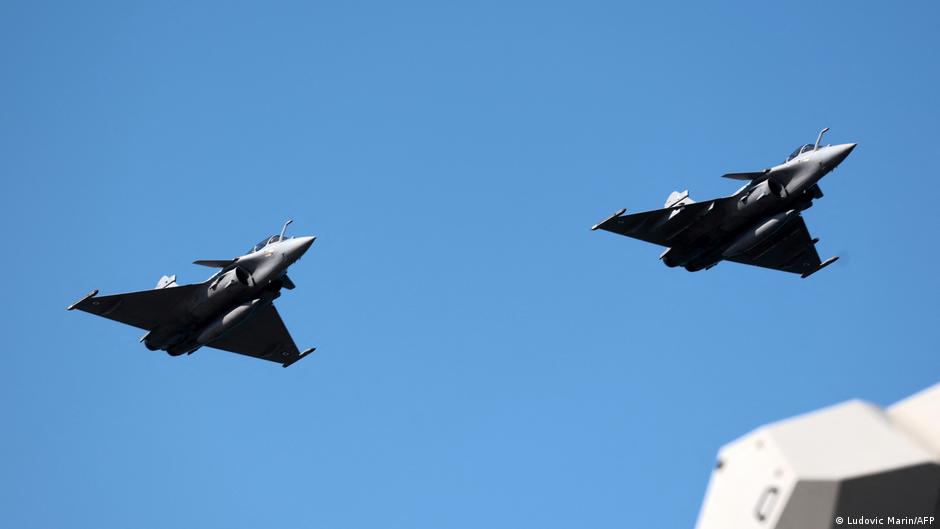


 3 sources
Morning Edition · Monday, June 8, 2026Published at 7:14 AM EDT · New York
A NATO Jet Shoots Down a Drone Over Latvia as the Russia-Ukraine War Spills Across Borders
The alliance reported its first such interception over Latvian territory, while drones reached Moldova and the approaches to Moscow.
A North Atlantic Treaty Organization (NATO) jet shot down a drone over eastern Latvia, which the military said had entered Latvian airspace because of Russian electromagnetic warfare, Deutsche Welle reported. The alliance said it was the first time one of its aircraft had downed a drone over Latvian territory, an indication of how the effects of the war are reaching further into NATO countries.
The incident was not isolated. Moldova confirmed that a Ukrainian drone exploded on its territory after flying into a border village, according to the Russian outlet BFM. Russian air defenses intercepted another drone heading toward Moscow, the city's mayor said. The Kremlin separately accused Ukraine of obstructing peace efforts after a drone attack on a Moscow-bound passenger train.
The pattern of stray and intercepted drones across borders adds a level of risk that markets have largely ignored. It comes as the United States accelerates the withdrawal of its troops from Europe, leaving European governments to address a widening security gap on their own.
Veracity: Corroborated
80/100- If true, who benefits
NATO and the Baltic states, for whom each incursion strengthens the case for higher defense spending as United States forces draw down, and Russia, which gains from an atmosphere of spreading disorder near the alliance.
- The nuance
The interception by a French Rafale on June 8 is confirmed, but drones drifting into the Baltics are generally assessed as Ukrainian long-range strike aircraft pushed off course by Russian electronic warfare, so the load-bearing question of whose drone it was and whether anyone aimed it at Latvia remains unresolved.
An open-source-intelligence read of how likely this story is true with its real nuance, not a judgment of any outlet. It assesses the claim, weighing independent and adversarial reporting. How we label confidence.
What this means
Each cross-border drone incident raises the probability of a direct confrontation between NATO and Russia, the kind of low-probability, high-impact risk that can quickly change the price of energy and defense assets. The pattern also increases pressure on European states to spend more on defense as American forces withdraw.
What to watch
Synthesized from: Deutsche Welle · BFM.ru · RBC
Townsquare
Start a discussion in Townsquare.
More from this edition
- South Korea Leads a Global Equity Selloff as Strong US Jobs Data Revives Fed Hike Fears
- Iran and Israel Resume Missile Strikes, Pushing Brent Crude Above 96 Dollars
- Gold Slips Below Its 200-Day Average as a Stronger Dollar Pressures Hard Assets
- Jet Fuel Costs From the Iran War Erase Half of Airlines' Expected Profit
- Xi Jinping Visits North Korea, His First Trip to Pyongyang in Seven Years
- Pashinyan's Party Wins Armenia Election, Signaling a Turn Away From Moscow
- IMF Chief Warns the World Has Not Adjusted to Repeated Economic Shocks
- Canada Pitches 'Fortress North America' to Force Its Way Back Into US Trade Talks
Comments
0No comments yet.