← The Global Intelligence Brief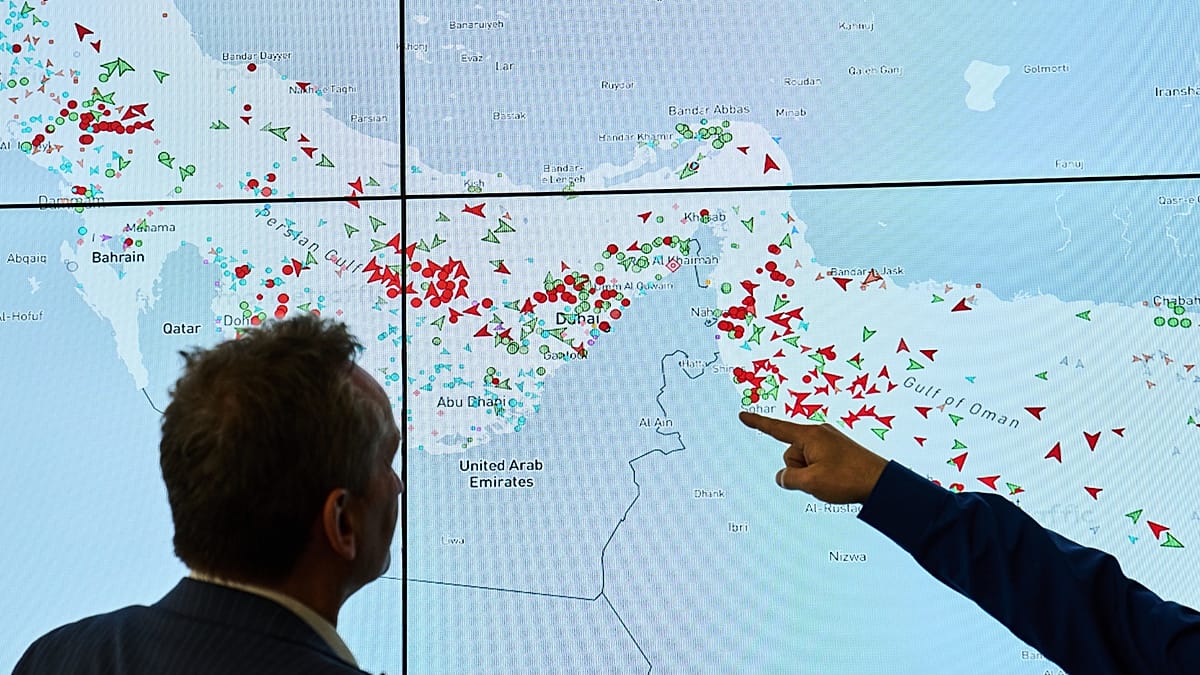


 3 sources
Morning Edition · Tuesday, June 16, 2026Published at 6:11 AM EDT · New York
Brent Falls Toward 83 Dollars as US-Iran Deal Promises to Reopen Hormuz
A framework agreement to reopen the world's most important oil chokepoint cooled crude prices, though the question of who controls the strait remains unresolved.
Oil prices retreated sharply after the United States and Iran announced a framework deal aimed at ending months of conflict and reopening the Strait of Hormuz, the waterway that carries roughly one-fifth of global oil shipments. Brent crude fell to around 83 dollars a barrel, with United States crude settling below 81 dollars, after trading above 100 dollars during the worst of the disruption earlier this year.
President Donald Trump said the strait would be "completely open" by Friday, but Euronews reported that key details over who will manage the waterway remain unresolved, with Iran asserting it will control Hormuz under its own interpretation of the framework. The Hindu described the arrangement as a fragile peace that defers the hardest questions on Iran's nuclear program rather than resolving them.
Tehran's conditions add further uncertainty. Iranian Foreign Minister Abbas Araghchi told reporters that ending the war on all fronts, including a permanent ceasefire in Lebanon, was the most important element of any agreement. Iran has signaled that final talks on its nuclear file will likely begin on June 19.
The price relief is real but conditional. The same official cited by a Trump administration source put the chance of a signed deal at about 80 percent, leaving a meaningful probability that shipping insurers, refiners and traders are pricing in a peace that could still unravel.
Veracity: Plausible
74/100- If true, who benefits
Trump claims a war-ending diplomatic win and lower oil prices, while Iran gains sanctions relief and a claim to sovereignty over Hormuz.
- The nuance
The framework is signed but unresolved on the load-bearing point: Washington says the strait is toll-free and open, while Tehran insists it and Oman control it and may still charge passage, and the nuclear file is unsettled.
An open-source-intelligence read of how likely this story is true with its real nuance, not a judgment of any outlet. It assesses the claim, weighing independent and adversarial reporting. How we label confidence.
What this means
The conflict pushed oil above 100 dollars and revived inflation fears that are now shaping central bank policy from Tokyo to Washington. A durable reopening of Hormuz would ease one of the largest supply-side shocks of the year, but the gap between the American and Iranian descriptions of the deal means energy markets are betting on an outcome that has not yet been written down in full.
What to watch
Synthesized from: Euronews · The Hindu · South China Morning Post
Townsquare
Start a discussion in Townsquare.
More from this edition
- Bank of Japan Lifts Rate to 1 Percent, Its Highest Since 1995
- Nearly Half of Central Banks Plan to Add Gold as Dollar Confidence Slips
- Nvidia Raises 25 Billion Dollars in Bonds, Its First Sale Since 2021
- G7 Leaders Meet in France With Iran and Ukraine at the Center
- Trump Vows Push to End Ukraine War as Turkey Offers to Mediate
- Electric Vehicle Sales Outrun Forecasts, With China Leading
- Pakistan Emerges as a Player in the US-Iran Deal, Stirring Debate in India
- Somaliland Opens Embassy in Jerusalem After Israeli Recognition
Comments
0No comments yet.