← The Global Intelligence Brief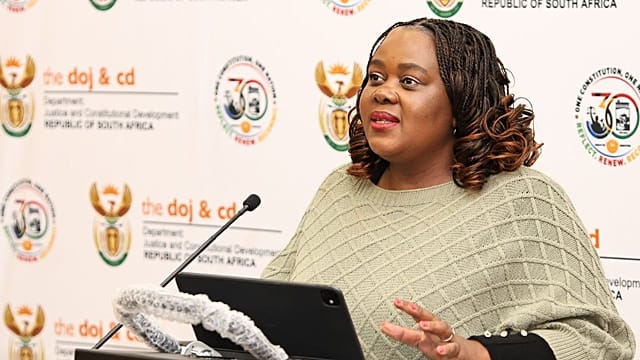
 1 source
Morning Edition · Tuesday, June 16, 2026Published at 6:11 AM EDT · New York
South Africa Says Xenophobia Backlash Is Hurting Its Economy
Artists and businesses are losing work elsewhere on the continent amid rising tensions.
South Africa has acknowledged that growing accusations of xenophobia are beginning to damage its economy, with local artists and businesses facing setbacks in other African countries, Africanews reported. South African performers have lost bookings across the continent as the tensions spill into commercial relationships.
The report points to a feedback effect that domestic political disputes can have on cross-border commerce. As the most industrialized economy in sub-Saharan Africa, South Africa relies on regional markets for its goods, services and cultural exports, and a reputational backlash carries measurable costs.
The episode is a small one in dollar terms, but it illustrates how sentiment can move trade. Cancelled performances and lost contracts are an early and visible sign of a broader risk, that other African markets may turn away from South African business if the tensions persist.
For a continent pursuing deeper integration through a continental free trade agreement, the friction is a setback. Regional commerce depends on the free movement of people and goods, and disputes that restrict either work against the integration that South Africa has formally endorsed.
Veracity: Corroborated
79/100- If true, who benefits
South Africa's government, which uses the economic cost to press citizens to curb xenophobic violence, and neighboring states criticizing Pretoria.
- The nuance
A South African minister confirmed the cancellations, but the economic damage is so far anecdotal rather than quantified, and the admission itself serves a domestic political message.
An open-source-intelligence read of how likely this story is true with its real nuance, not a judgment of any outlet. It assesses the claim, weighing independent and adversarial reporting. How we label confidence.
What this means
The story shows how domestic social tensions translate into real economic cost through lost contracts and damaged business relationships across borders. For Africa's largest industrial economy, a reputational backlash among neighbors undercuts the regional integration that its own growth strategy depends on.
What to watch
Source: Africanews
Townsquare
Start a discussion in Townsquare.
More from this edition
- Bank of Japan Lifts Rate to 1 Percent, Its Highest Since 1995
- Brent Falls Toward 83 Dollars as US-Iran Deal Promises to Reopen Hormuz
- Nearly Half of Central Banks Plan to Add Gold as Dollar Confidence Slips
- Nvidia Raises 25 Billion Dollars in Bonds, Its First Sale Since 2021
- G7 Leaders Meet in France With Iran and Ukraine at the Center
- Trump Vows Push to End Ukraine War as Turkey Offers to Mediate
- Electric Vehicle Sales Outrun Forecasts, With China Leading
- Pakistan Emerges as a Player in the US-Iran Deal, Stirring Debate in India
Comments
0No comments yet.