← The Global Intelligence Brief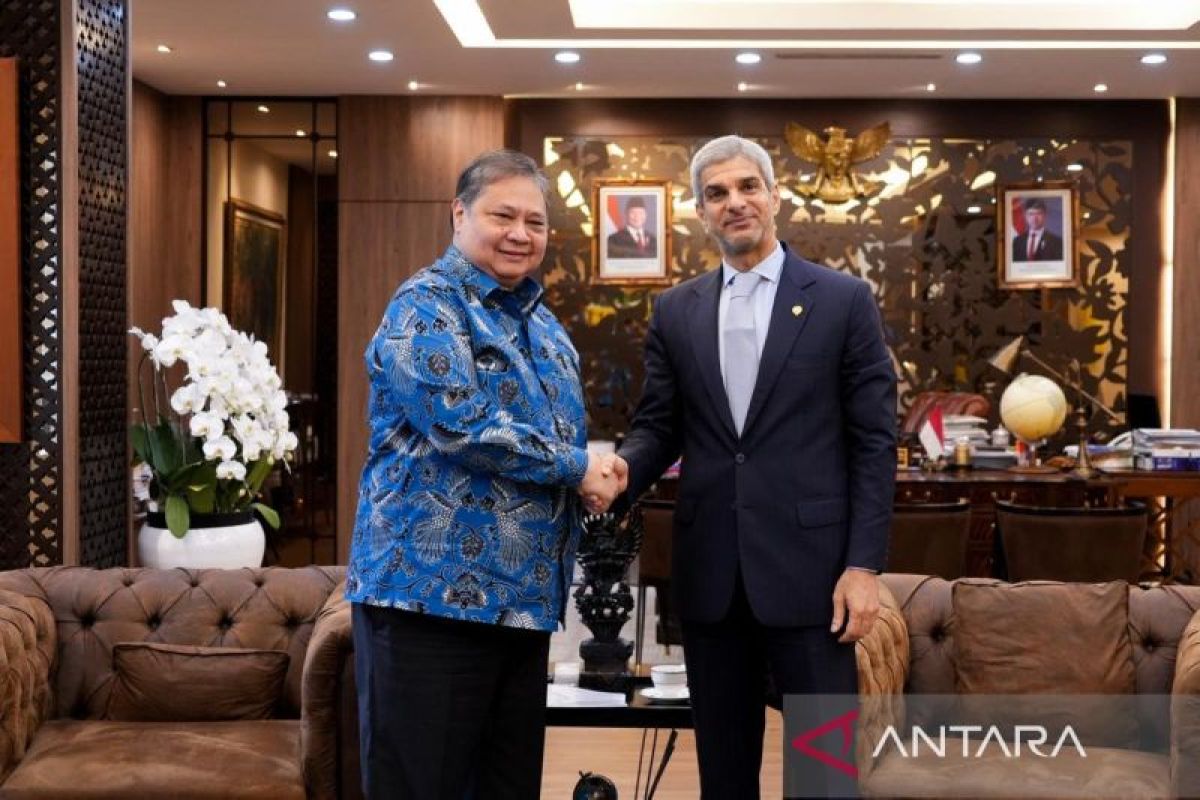
Morning Edition · Friday, June 19, 2026Published at 6:13 AM EDT · New York
Global South Capitals Deepen Energy and Trade Ties Outside Western Blocs
Indonesia strengthened energy cooperation with Kuwait and pressed for cross-regional connectivity at a Central Asian forum.
Indonesia used a series of meetings this week to build economic links that run outside the established Western trade architecture. The state news agency Antara reported that Jakarta and Kuwait agreed to strengthen cooperation on energy security in order to manage the effects of an unstable global economy, deepening a direct producer-to-consumer relationship between two non-Western economies.
At a forum in Uzbekistan, Indonesia's deputy trade minister, Dyah Roro Esti, called for stronger cross-regional economic connectivity linking Southeast and Central Asia. Both moves point to a pattern of middle and emerging powers arranging trade and energy supply among themselves rather than routing it through the dollar-centered institutions that have governed global commerce.
Individually each agreement is modest. Together with Russia's reorientation toward regional blocs and central banks' steady accumulation of gold, they form part of a slow shift toward a more multipolar economic order in which no single currency or alliance sets every term.
Veracity: Plausible
60/100- If true, who benefits
Proponents of de-dollarization and a multipolar trade order gain from framing modest bilateral deals as a structural shift.
- The nuance
The Indonesia-Kuwait energy talks and the Uzbekistan forum are real but small, and the claim that they mark a move away from the dollar-centered system is extrapolation the agreements themselves do not state.
An open-source-intelligence read of how likely this story is true with its real nuance, not a judgment of any outlet. It assesses the claim, weighing independent and adversarial reporting. How we label confidence.
What this means
The move toward a multipolar monetary and trade order rarely appears in a single dramatic event. It accumulates through bilateral energy deals and regional connectivity projects that gradually reduce reliance on Western intermediaries and the dollar. For investors, the signal is structural rather than immediate: the share of global trade settled and financed outside the dollar system is the key measure to track.
What to watch
Townsquare
Start a discussion in Townsquare.
More from this edition
- Oil Falls Below $78 as Reopened Hormuz Drains the War Premium
- Warsh's First Fed Meeting Signals a Possible Rate Hike, Not a Cut
- United States-Iran Truce Strains as Talks Slip and Vance Confronts Israel
- United States Cuts Off Allied Access to Anthropic's Top AI Models
- Russian Drones Strike Black Sea Shipping as War Reaches Civilians on Both Sides
- Bitcoin-Backed 'Digital Credit' Tokens Plunge, Then Rebound
- European Union Summit Splits Over Budget and Outreach to Moscow
- Burnham Wins United Kingdom By-Election, Setting Up a Challenge to Starmer
Comments
0No comments yet.