← The Global Intelligence Brief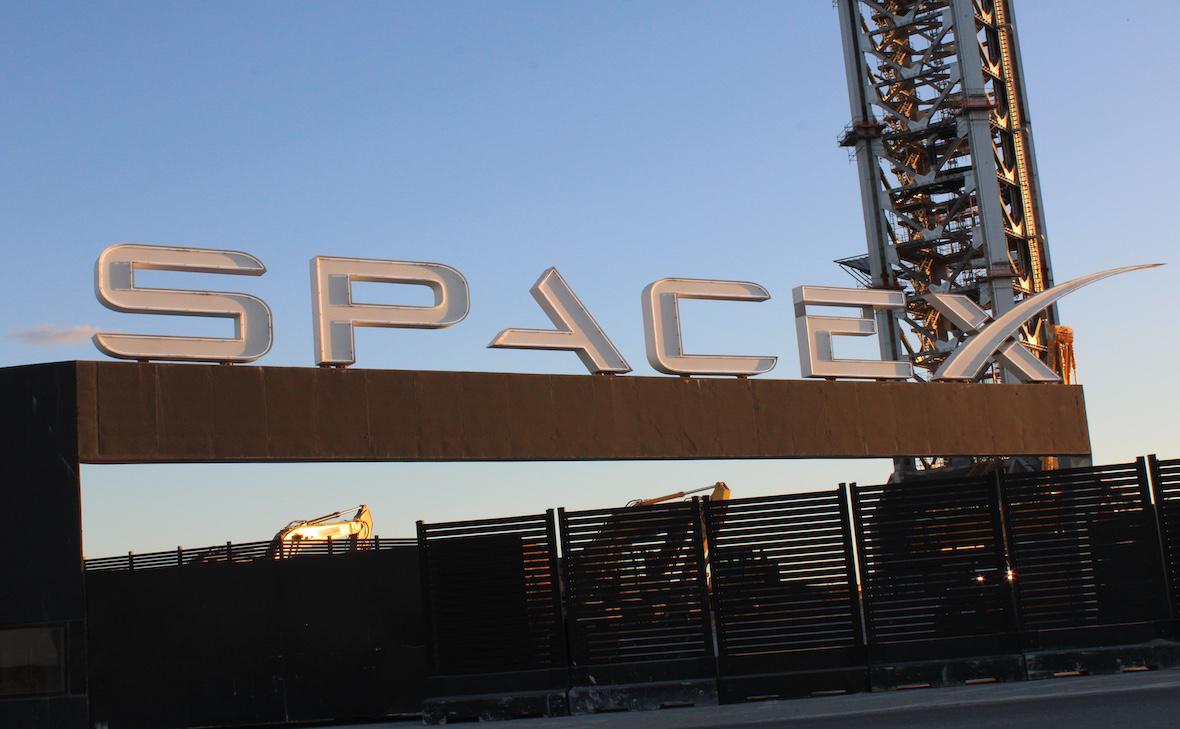
Morning Edition · Friday, June 19, 2026Published at 6:13 AM EDT · New York
Warsh's First Fed Meeting Signals a Possible Rate Hike, Not a Cut
The new chair removed the central bank's forward guidance and the projections shifted toward higher rates, briefly pushing stocks lower before they recovered.
Kevin Warsh, in his first meeting as chair of the Federal Reserve, left the federal funds rate unchanged at 3.5 to 3.75 percent but delivered a clearly more restrictive message. The committee's median projection for the end of 2026 rose to 3.8 percent from 3.4 percent in March, nine of eighteen policymakers now expect at least one rate increase this year, and Warsh removed the forward guidance that had shaped communication under his predecessor.
Markets reacted in two stages. On the decision day the S&P 500 fell and the two-year Treasury yield rose about 16 basis points, then equities recovered the next session as attention turned to the Iran ceasefire and lower energy costs. As the Israeli financial daily Globes noted, the Nasdaq Composite rose nearly 2 percent in that rebound. United States markets were closed Friday for the Juneteenth holiday. Gold traded near $4,178 an ounce, holding above the $4,000 level that central banks have supported through a year of reserve diversification.
The repricing reached the newest large listing. SpaceX, which began trading on June 12 at $135 a share, had risen toward a $2.6 trillion valuation before falling back. The Russian outlet RBC reported the company's market value had fallen by more than $550 billion from its weekly high, though the shares were still up about 37 percent from the offering price.
What this means
A Federal Reserve that signals hikes rather than cuts is, in effect, admitting that the cost of credit was held too low for too long and that the resulting price pressures have not cleared. From a sound-money view, the reversal in the rate projections and the strength in gold point to the same thing: investors are questioning how much real discipline the dollar system carries, and the most leveraged, highest-valuation assets are the first to reprice when cheap credit is withdrawn.
What to watch
- The next United States inflation reading, which will show whether the projections pointing to higher rates reflect real price pressure or caution alone.
- Whether gold holds above $4,000 an ounce, a gauge of how much confidence in the dollar as a reserve asset is weakening.
- Further moves in richly valued listings like SpaceX, an early indicator of how a higher-rate path is repricing frontier-tech equity.
Observations to monitor, not financial advice.
Townsquare
Start a discussion in Townsquare.
More from this edition
- Oil Falls Below $78 as Reopened Hormuz Drains the War Premium
- United States-Iran Truce Strains as Talks Slip and Vance Confronts Israel
- United States Cuts Off Allied Access to Anthropic's Top AI Models
- Russian Drones Strike Black Sea Shipping as War Reaches Civilians on Both Sides
- Bitcoin-Backed 'Digital Credit' Tokens Plunge, Then Rebound
- European Union Summit Splits Over Budget and Outreach to Moscow
- Burnham Wins United Kingdom By-Election, Setting Up a Challenge to Starmer
- Reliance Approves Draft Prospectus for Long-Awaited Jio Listing
Comments
0No comments yet.