← The Global Intelligence Brief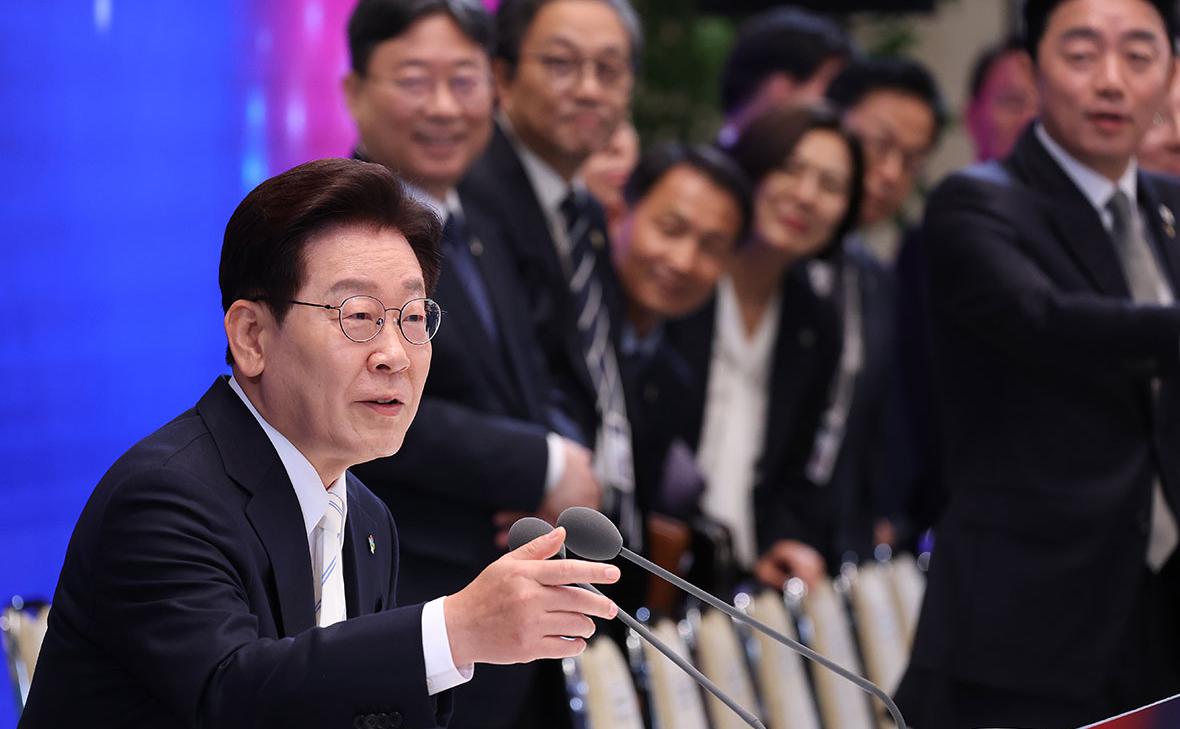
 1 source
Morning Edition · Friday, June 19, 2026Published at 6:13 AM EDT · New York
Seoul Says Trump Is Ready to Take Up North Korea's Nuclear Program
South Korea's president described a possible opening that would first freeze, not dismantle, Pyongyang's arsenal.
South Korea's president said United States President Donald Trump is prepared to engage on North Korea's nuclear program, according to the Russian outlet RBC. In his account, the American leader is open to an approach whose first step would be halting further development of Pyongyang's nuclear and missile programs rather than demanding immediate disarmament.
The framing matters. A freeze-first approach would mark a departure from the longstanding United States demand for complete denuclearization as a precondition for relief, and would resemble the sequencing now being attempted with Iran. It also places the initiative with Seoul and Washington at a moment when East Asian governments are expanding their own militaries.
The signal arrives against a sharpening regional arms race, with Japan and its neighbors increasing defense spending and weapons exports as maritime confrontations with China multiply. Any move toward talks with Pyongyang would reshape the security calculations driving that buildup.
Veracity: Corroborated
78/100- If true, who benefits
President Lee Jae Myung gains by casting himself as the driver of Korean diplomacy, and a freeze-first model favors the outcome China and Russia have long preferred.
- The nuance
The account comes from Seoul, with Lee characterizing Trump as merely open to considering a phased freeze, and neither Washington nor Pyongyang has confirmed any commitment.
An open-source-intelligence read of how likely this story is true with its real nuance, not a judgment of any outlet. It assesses the claim, weighing independent and adversarial reporting. How we label confidence.
What this means
A shift from demanding North Korea's disarmament to merely freezing its programs would be a significant reduction in United States demands, and a sign that Washington is applying the same transactional, freeze-first model across multiple confrontations at once. For the Indo-Pacific it could either slow the regional arms race or, if it fails, accelerate the rearmament already underway in Japan and South Korea.
What to watch
Source: RBC
Townsquare
Start a discussion in Townsquare.
More from this edition
- Oil Falls Below $78 as Reopened Hormuz Drains the War Premium
- Warsh's First Fed Meeting Signals a Possible Rate Hike, Not a Cut
- United States-Iran Truce Strains as Talks Slip and Vance Confronts Israel
- United States Cuts Off Allied Access to Anthropic's Top AI Models
- Russian Drones Strike Black Sea Shipping as War Reaches Civilians on Both Sides
- Bitcoin-Backed 'Digital Credit' Tokens Plunge, Then Rebound
- European Union Summit Splits Over Budget and Outreach to Moscow
- Burnham Wins United Kingdom By-Election, Setting Up a Challenge to Starmer
Comments
0No comments yet.