← The Global Intelligence Brief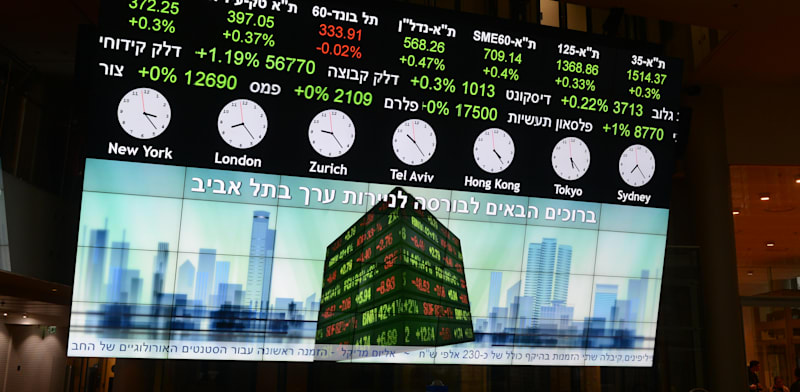

 2 sources
Morning Edition · Monday, June 29, 2026Published at 6:15 AM EDT · New York
A Stronger Shekel and Cooling Inflation Build the Case for an Israeli Rate Cut
Tel Aviv shares advanced and bank economists pointed to falling inflation expectations and currency strength as supports for a July reduction.
Israeli shares rose on Monday, with the Tel Aviv 35 index up about 0.9 percent and the construction and real-estate index climbing around 3.6 percent, according to Globes. The financial daily reported that Bank Hapoalim sees falling inflation expectations and a strong shekel supporting an interest-rate cut in July.
The backdrop is a currency that has appreciated sharply since the ceasefire that paused the regional conflict. The Bank of Israel cut its benchmark rate to 3.75 percent in May, its second consecutive reduction, citing a stronger shekel, contained inflation near the midpoint of its 1 to 3 percent target, and the prospect of an end to the war. The shekel had appreciated more than 8 percent against the dollar since the prior decision.
A firmer currency lowers the local-currency cost of imports and reduces inflation, which gives the central bank room to cut rates. The risk is that easing too quickly, while postwar reconstruction spending and a rising equity market add demand, could revive the price pressures the bank has worked to contain.
The episode is a clear example of how the easing of a conflict directly affects monetary policy, through a stronger currency, lower risk premiums and renewed confidence among investors.
What this means
Israel shows the monetary benefit of de-escalation, where a stronger currency and lower risk premium let a central bank cut rates and equities rise. It also illustrates the recurring temptation to ease policy during a recovery, which can create the next round of inflation.
What to watch
- The Bank of Israel's July decision and its language on the shekel, which will confirm whether the easing cycle continues.
- Israeli inflation readings against the 1 to 3 percent target, since a stronger currency should push prices toward the lower end.
Observations to monitor, not financial advice.
Synthesized from: Globes · The Times of Israel
Townsquare
Start a discussion in Townsquare.
More from this edition
- Iran Strikes US Bases in Kuwait and Bahrain as Hormuz Ceasefire Collapses; Oil Holds Near 73 Dollars
- China Places 40 Japanese Entities Under Export Controls, Citing Tokyo's Rearmament
- Bitcoin Slips Below 60,000 Dollars as Hard Assets Retreat With a Firmer Dollar
- Russia Rations Fuel Across Most of Its Regions as Refinery Strikes Bite
- EU Prepares Tougher Trade Tools Against China as Deficit Nears 360 Billion Euros
- Australia and Vanuatu Sign Pact That Blocks Foreign Military Bases
- Pakistan and Afghanistan Trade Strikes as Border Violence Escalates
- Venezuela's Earthquake Toll Passes 1,400 as the Rescue Window Narrows
Comments
0No comments yet.