← The Global Intelligence Brief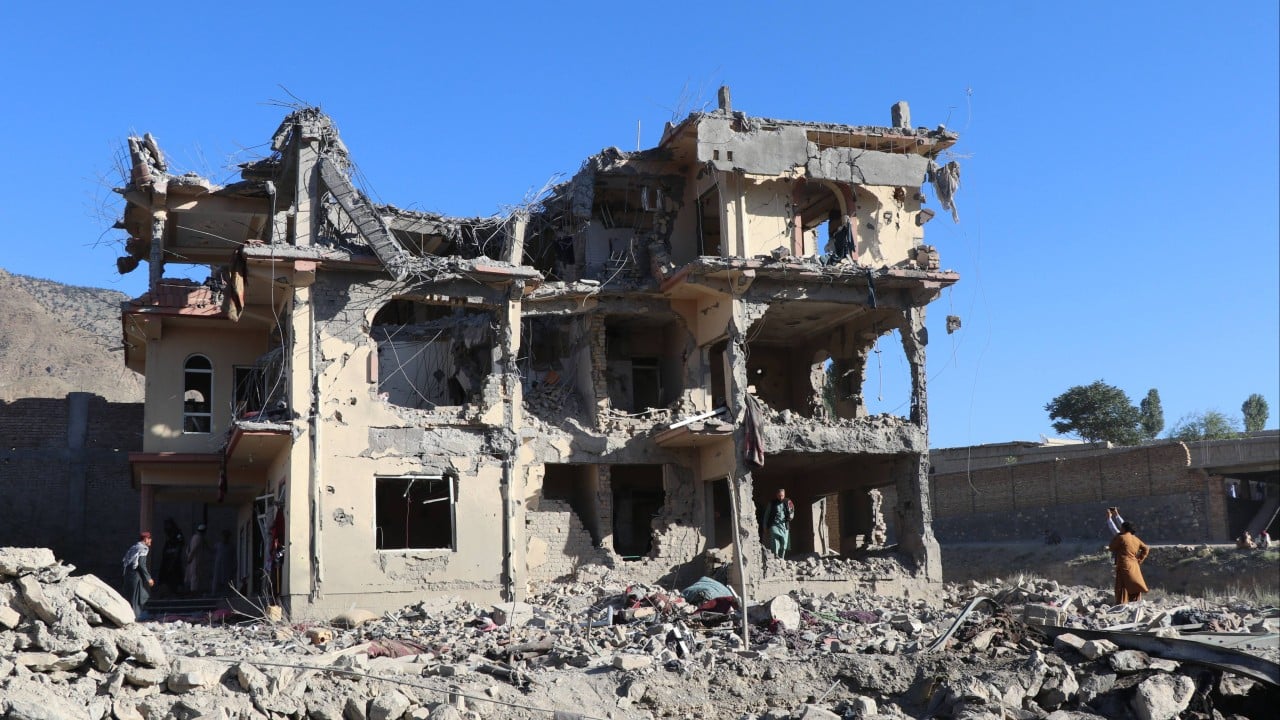


 3 sources
Morning Edition · Monday, June 29, 2026Published at 6:15 AM EDT · New York
Pakistan and Afghanistan Trade Strikes as Border Violence Escalates
Afghan officials say Pakistani strikes killed at least 36 civilians, while Islamabad says it hit militant hideouts after an attack on a paramilitary base in Karachi.
Violence along the Pakistan-Afghanistan border has intensified. Afghan officials said overnight Pakistani ground operations and strikes killed at least 36 civilians and injured more than 160, according to the South China Morning Post, and warned of retaliation.
Pakistan offered a different account. The Hindu reported that Islamabad said its forces struck militant hideouts and safe havens, killing 29 fighters, after an attack on a paramilitary Rangers headquarters in Karachi on June 27. Pakistan's Foreign Office said it summoned the Afghan chargé d'affaires and issued what it called a strong demarche over that attack.
The two governments present incompatible versions of who was struck. Kabul describes civilian casualties from cross-border strikes, while Islamabad describes precision action against armed groups it accuses Afghanistan of sheltering. Independent verification of the casualty figures and the targets is not available.
The exchange adds instability to a border region that lies along trade and transit routes linking South and Central Asia, and it raises the risk of a wider confrontation between two neighbors with a long history of disputes over militancy and the border itself.
Veracity: Corroborated
80/100- If true, who benefits
Each government gains domestically by controlling the casualty narrative; Islamabad frames precision counterterrorism, Kabul frames civilian massacre, and neither account is independently verified.
- The nuance
The strikes and the Karachi Rangers attack that preceded them are confirmed, but the competing tolls, 36 civilians versus 29 militants, cannot be independently corroborated and the targets are disputed.
An open-source-intelligence read of how likely this story is true with its real nuance, not a judgment of any outlet. It assesses the claim, weighing independent and adversarial reporting. How we label confidence.
What this means
A sharp escalation between two nuclear-armed neighbors threatens regional trade corridors and could draw in outside powers with stakes in Afghanistan and Pakistan. Competing casualty claims make the situation harder to de-escalate because neither side accepts the other's account.
What to watch
Synthesized from: South China Morning Post · The Hindu · Dawn
Townsquare
Start a discussion in Townsquare.
More from this edition
- Iran Strikes US Bases in Kuwait and Bahrain as Hormuz Ceasefire Collapses; Oil Holds Near 73 Dollars
- China Places 40 Japanese Entities Under Export Controls, Citing Tokyo's Rearmament
- Bitcoin Slips Below 60,000 Dollars as Hard Assets Retreat With a Firmer Dollar
- Russia Rations Fuel Across Most of Its Regions as Refinery Strikes Bite
- EU Prepares Tougher Trade Tools Against China as Deficit Nears 360 Billion Euros
- A Stronger Shekel and Cooling Inflation Build the Case for an Israeli Rate Cut
- Australia and Vanuatu Sign Pact That Blocks Foreign Military Bases
- Venezuela's Earthquake Toll Passes 1,400 as the Rescue Window Narrows
Comments
0No comments yet.