← The Global Intelligence Brief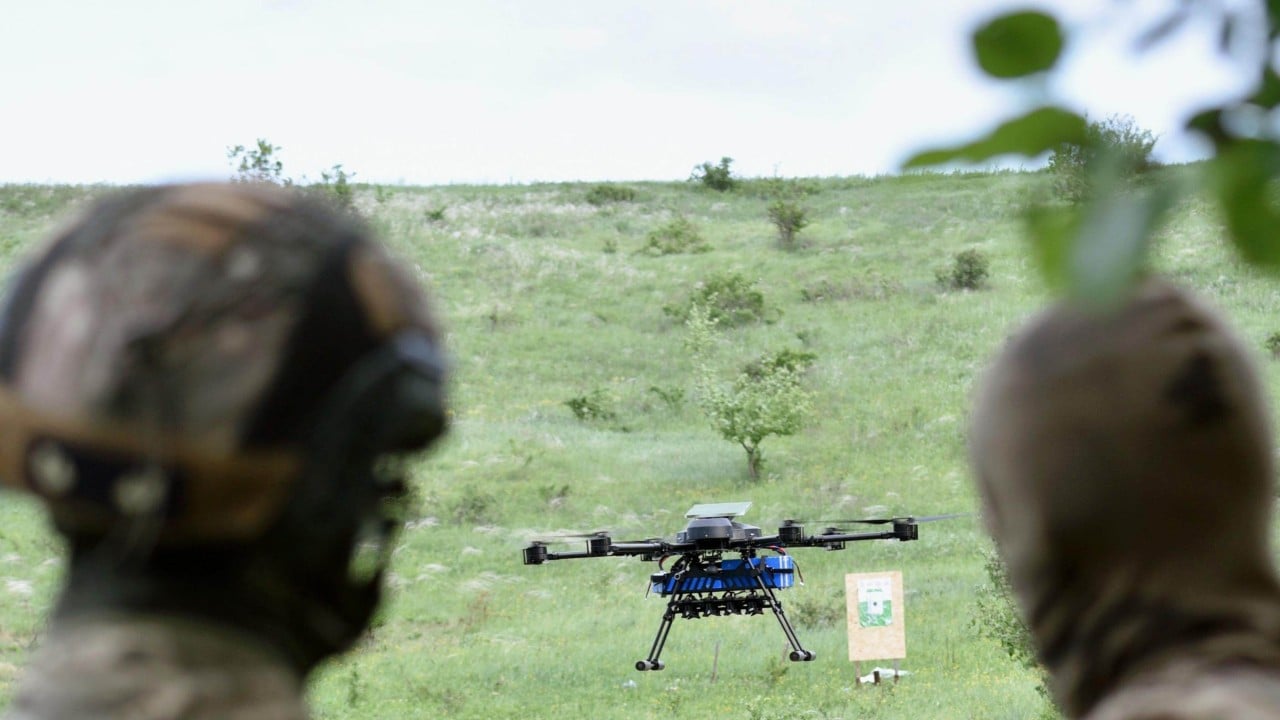

 2 sources
Morning Edition · Tuesday, June 30, 2026Published at 6:30 AM EDT · New York
Britain Reorders Its Military Around Drones and Autonomy
The United Kingdom unveiled a defense plan centered on attack drones, uncrewed submarines and self-flying jets, paired with a large increase in spending.
Britain laid out a defense plan built around uncrewed and autonomous systems, the South China Morning Post reported. The plan prioritizes more than £5 billion, about $6.6 billion, for drones and a force that mixes crewed and uncrewed vessels, alongside extra-large uncrewed submarines and a program to develop autonomous fighter jets that fly alongside piloted aircraft.
Chancellor Rachel Reeves framed the package in economic terms, telling reporters, in an account carried by Russia's TASS, that Britain would raise defense investment by about $19.8 billion and that national security means economic security. The government has set a target of spending 3% of national income on defense in the next parliament, conditions permitting.
The plan reflects two forces at once. Warfare is being reshaped by cheap, expendable drones, a lesson taken directly from the war in Ukraine, and European states are rebuilding their own capabilities as the United States accelerates its military drawdown from the continent. Britain's emphasis on autonomy is partly a response to budgets that cannot fund large crewed fleets at the scale earlier eras assumed.
Veracity: Corroborated
82/100- If true, who benefits
UK defense-technology contractors and drone makers gain, and the government gains a frame linking security spending to economic security.
- The nuance
The headline spending and 3%-of-income target are aspirational and conditional with no identified funding source, and the figures here reach readers via Russia's TASS.
An open-source-intelligence read of how likely this story is true with its real nuance, not a judgment of any outlet. It assesses the claim, weighing independent and adversarial reporting. How we label confidence.
What this means
The shift signals that European militaries expect to fight future conflicts with mass-produced autonomous systems rather than small numbers of expensive crewed platforms. The spending increase also adds to the fiscal pressure on European governments already managing high debt, and it directs public money toward a defense-technology sector that is becoming a strategic industry.
What to watch
Synthesized from: South China Morning Post · TASS
Townsquare
Start a discussion in Townsquare.
More from this edition
- Pakistani Strikes Kill Dozens in Afghanistan, Deepening Border Conflict
- Yen Falls to Four-Decade Low as Fed Strength Overpowers Tokyo
- China Widens Economic and Military Pressure on Japan
- German Import Prices Surge as Energy Debate Reopens
- US and Iran Exchange Strikes as Ceasefire Frays; Iran Hits US Bases in Kuwait and Bahrain
- EU Sets October Deadline for China to Narrow Trade Gap
- US and India Say Trade Deal Is in Final Steps
- UK Moves to Loosen Stablecoin Rules, Diverging From the EU
Comments
0No comments yet.