← The Global Intelligence Brief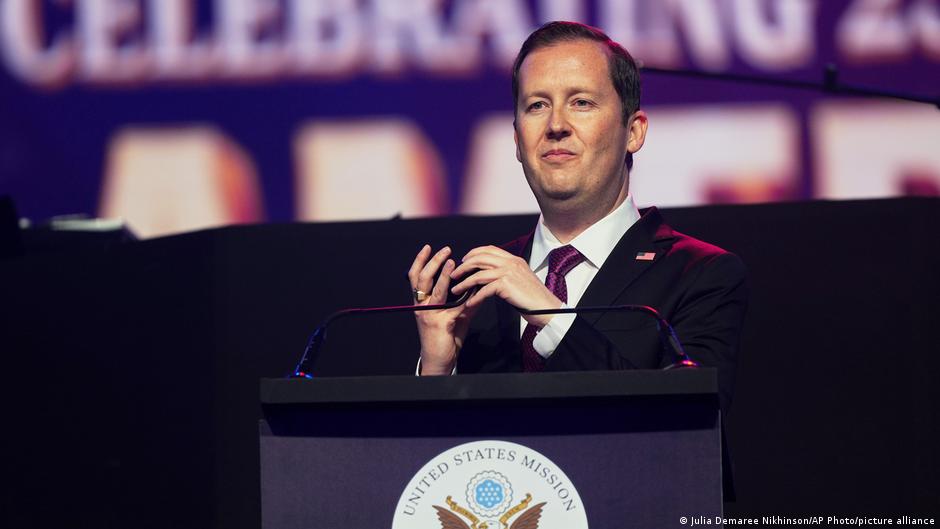

 2 sources
Morning Edition · Tuesday, June 30, 2026Published at 6:30 AM EDT · New York
US and India Say Trade Deal Is in Final Steps
Washington's ambassador in New Delhi said only the last 1% of a bilateral agreement remained, after a judicial setback briefly delayed the talks.
The United States and India are close to completing a bilateral trade agreement, with US Ambassador Sergio Gor saying the deal was in its final steps and that only the last 1% of the text remained to be settled. Gor made the comments at a US-India business summit, and his Indian counterparts expressed the same optimism.
Negotiators have worked on the agreement for roughly 18 months, according to Indian reporting, and a recent court ruling on US tariff authority briefly slowed the process before high-level talks revived it. Bilateral trade between the two countries has grown from about $20 billion two decades ago to roughly $220 billion, and President Trump and Prime Minister Narendra Modi have set a target of $500 billion.
The effort reflects a broader pattern in which trading partners negotiate bilateral arrangements to manage their exposure to Washington's revived tariff regime. For India, a deal would secure access to the US market and deepen a strategic alignment. For Washington, it advances an effort to shift supply chains away from China.
Veracity: Plausible
60/100- If true, who benefits
Both governments gain from advertising progress, and Washington's tariff-leverage narrative benefits from a marquee bilateral deal.
- The nuance
The "final 1%" is an optimistic official claim with no signed text, and the hardest items, agriculture and dairy, historically stall at this stage.
An open-source-intelligence read of how likely this story is true with its real nuance, not a judgment of any outlet. It assesses the claim, weighing independent and adversarial reporting. How we label confidence.
What this means
A completed US-India agreement would be one of the largest bilateral trade deals of the year and a model for how mid-sized economies adapt to American tariff pressure. It also strengthens an economic counterweight to China at a moment when both Washington and New Delhi are recalibrating ties with Beijing.
What to watch
- Whether the agreement is signed and what tariff lines and market-access terms it actually contains.
Synthesized from: Deutsche Welle · India TV
Townsquare
Start a discussion in Townsquare.
More from this edition
- Pakistani Strikes Kill Dozens in Afghanistan, Deepening Border Conflict
- Yen Falls to Four-Decade Low as Fed Strength Overpowers Tokyo
- China Widens Economic and Military Pressure on Japan
- German Import Prices Surge as Energy Debate Reopens
- US and Iran Exchange Strikes as Ceasefire Frays; Iran Hits US Bases in Kuwait and Bahrain
- EU Sets October Deadline for China to Narrow Trade Gap
- Britain Reorders Its Military Around Drones and Autonomy
- UK Moves to Loosen Stablecoin Rules, Diverging From the EU
Comments
0No comments yet.