← The Global Intelligence Brief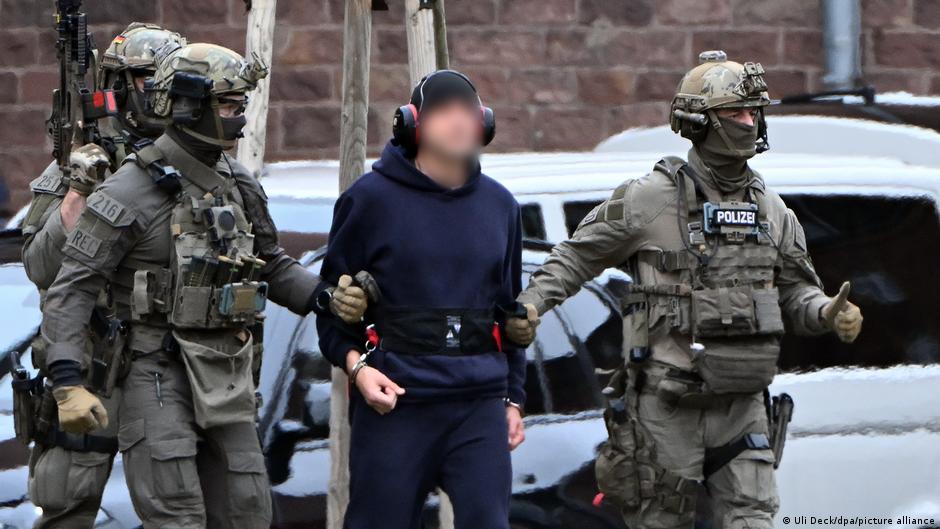


 3 sources
Morning Edition · Thursday, July 2, 2026Published at 6:16 AM EDT · New York
Europe and Russia Harden Their Rupture Over Sabotage Charges and New Sanctions
German prosecutors say Ukraine's state ordered the Nord Stream attack as Brussels targets Russian drone makers and the Kremlin promises countermeasures.
The confrontation between Europe and Russia hardened in several areas on Thursday. German prosecutors said the 2022 sabotage of the Nord Stream gas pipelines under the Baltic Sea was ordered by Ukraine. Deutsche Welle reported that a Ukrainian national charged on Wednesday is believed to have acted on the orders of state authorities in Ukraine, a finding that complicates relations between Kyiv and its European backers.
Brussels moved in the opposite direction against Moscow. Following the overnight strike on Kyiv, Euronews reported that the European Union is preparing sanctions against Russia's military-industrial complex, including firms that manufacture components for the Shahed and Geran drones used in the attacks.
Moscow indicated it would respond with its own measures. Russian state agency TASS reported that Kremlin spokesman Dmitry Peskov said the European Union's escalation was forcing Moscow to plan additional measures to guarantee its own security and interests.
The three developments describe a relationship moving further from any negotiated settlement. The Nord Stream finding raises awkward questions for European governments about a partner they arm and fund, while the sanctions and the Kremlin's response point to a widening economic and security divide with no clear near-term path to resolution.
Veracity: Plausible
70/100- If true, who benefits
Moscow, for whom a finding that a Western partner ordered the Nord Stream attack validates its victim narrative and strains the coalition arming Kyiv.
- The nuance
German prosecutors have charged one Ukrainian individual and allege state direction, but attribution to Ukraine's government is contested, Kyiv denies it, and reporting differs on whether leadership authorized the operation or tried to halt it.
An open-source-intelligence read of how likely this story is true with its real nuance, not a judgment of any outlet. It assesses the claim, weighing independent and adversarial reporting. How we label confidence.
What this means
The Nord Stream attribution and the new sanctions deepen a rupture that already reshapes European energy, defense budgets and industrial policy. A finding that a European partner ordered an attack on critical infrastructure introduces tension within the Western coalition even as Brussels tightens pressure on Moscow.
What to watch
Synthesized from: Deutsche Welle · Euronews · TASS
Townsquare
Start a discussion in Townsquare.
More from this edition
- Oil Falls to Multi-Month Lows as Hormuz Shipping Resumes and the Iran Truce Holds
- Iran Prepares Funeral for Supreme Leader as US Talks Continue
- Warsh Puts Inflation First, Lifting Yields as Chip and AI Shares Retreat
- Russia Launches Large Overnight Strike on Kyiv
- Bitcoin Holds Above 60,000 Dollars as the Yen Jumps and Regulators Weigh Stablecoins
- Extreme Weather Squeezes Food, Fire and Power Across Three Continents
- Europe Reaches for Growth as Berlin Passes a Reform Package and Brussels Fights Over Its Budget
- Europe's Top Court Upholds Google Fine and Backs Prosecution Over RT Content
Comments
0No comments yet.