← The Global Intelligence Brief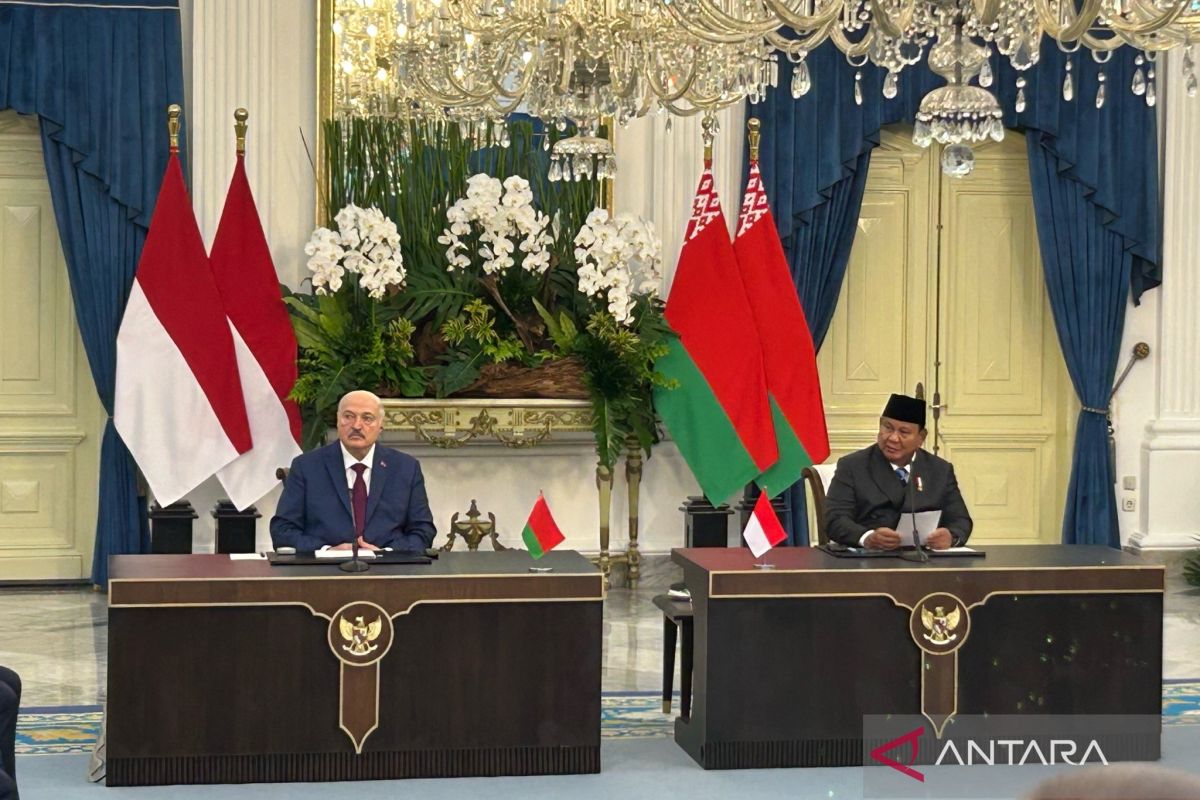
 2 sources
Morning Edition · Thursday, July 2, 2026Published at 6:16 AM EDT · New York
Indonesia and Belarus Deepen Ties in a Widening Non-Aligned Bloc
Jakarta's welcome for a sanctioned Belarusian leader signals how Global South economies are building commercial links outside Western frameworks.
Indonesia and Belarus agreed to strengthen cooperation across several strategic sectors during a visit by Belarusian President Alexander Lukashenko to Jakarta. Indonesian state agency Antara reported that the two governments launched a roadmap covering areas of mutual interest, and separately reported that Indonesian President Prabowo Subianto described the visit as a significant step in bilateral relations.
The meeting matters less for its immediate commercial content than for what it signals. Belarus is a close ally of Russia and is subject to extensive Western sanctions, and Indonesia is the largest economy in Southeast Asia and a leading voice among non-aligned states. A public display of friendship between the two illustrates how governments outside the Western bloc are constructing their own network of trade and political ties.
For a country like Belarus, cut off from many Western markets, partnerships with large emerging economies offer an alternative channel for commerce and diplomatic support. For Indonesia, engagement with a range of partners fits a long-standing policy of avoiding alignment with any single power.
Seen across many such meetings, the pattern points toward a more fragmented global economy in which trade increasingly routes around Western institutions rather than through them, a slow structural shift with implications for the dollar-centered system.
Veracity: Corroborated
86/100- If true, who benefits
Belarus, which gains a sanctions-resistant commercial channel and diplomatic cover, and the writer's thesis of a multipolar order that routes trade and capital around Western institutions.
- The nuance
The roadmap is real but modest, roughly 500 million dollars centered on food and fertilizer, and framing one visit as a structural shift away from the dollar system is interpretation, not established fact.
An open-source-intelligence read of how likely this story is true with its real nuance, not a judgment of any outlet. It assesses the claim, weighing independent and adversarial reporting. How we label confidence.
What this means
Individually minor, meetings like this accumulate into a parallel network of commerce that reduces the leverage of Western sanctions and the centrality of Western markets. For investors, the trend is a gradual move toward a multipolar trading order that reshapes supply chains and payment systems over years.
What to watch
Synthesized from: Antara (roadmap) · Antara (summit)
Townsquare
Start a discussion in Townsquare.
More from this edition
- Oil Falls to Multi-Month Lows as Hormuz Shipping Resumes and the Iran Truce Holds
- Iran Prepares Funeral for Supreme Leader as US Talks Continue
- Warsh Puts Inflation First, Lifting Yields as Chip and AI Shares Retreat
- Russia Launches Large Overnight Strike on Kyiv
- Bitcoin Holds Above 60,000 Dollars as the Yen Jumps and Regulators Weigh Stablecoins
- Extreme Weather Squeezes Food, Fire and Power Across Three Continents
- Europe Reaches for Growth as Berlin Passes a Reform Package and Brussels Fights Over Its Budget
- Europe's Top Court Upholds Google Fine and Backs Prosecution Over RT Content
Comments
0No comments yet.