← The Global Intelligence Brief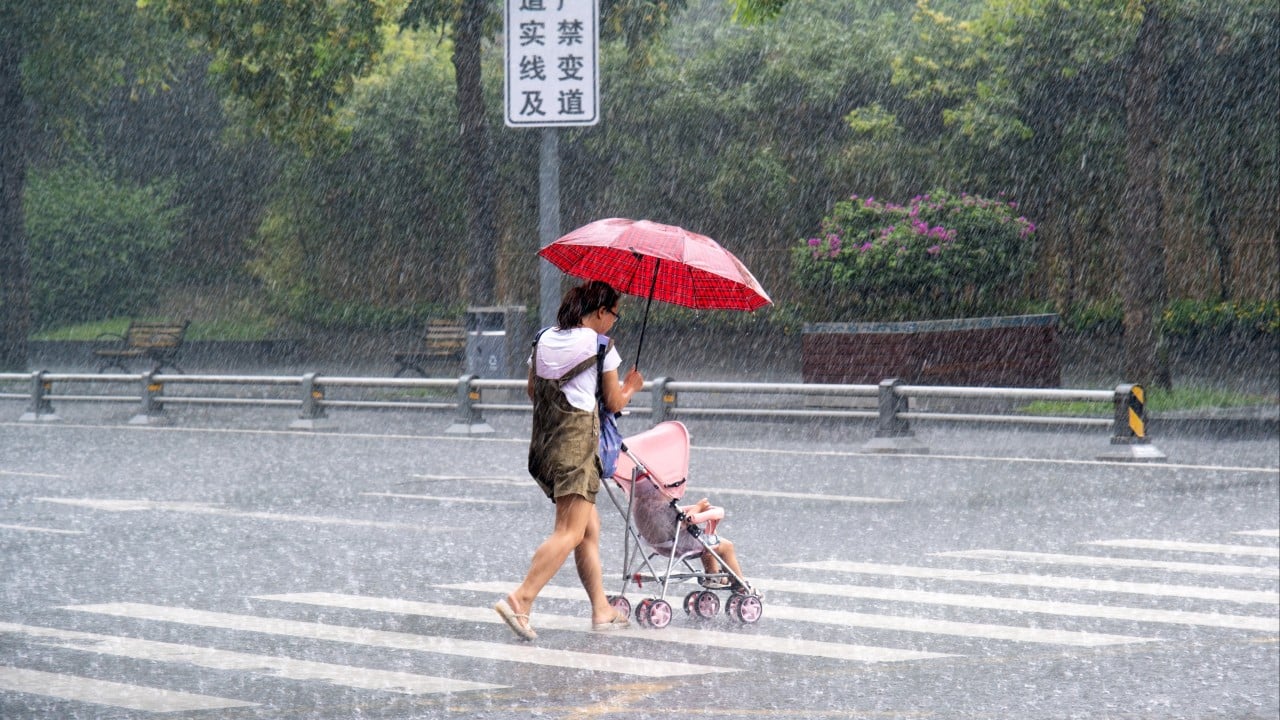

 3 sources
Morning Edition · Thursday, July 2, 2026Published at 6:16 AM EDT · New York
Extreme Weather Squeezes Food, Fire and Power Across Three Continents
China's leadership orders forceful flood and drought measures, Spain enters peak fire season, and French shoppers rush to buy cooling units.
Extreme weather is registering as an economic factor across several major economies at once. In China, the Politburo, the Communist Party's top decision-making body, called for forceful countermeasures against floods and droughts. It warned that the El Nino climate pattern is worsening the impact of extreme events and instructed local authorities to strengthen flood controls on major rivers, according to the South China Morning Post, which reported that the country's food-security risks are rising.
In Europe, Spain has entered its peak fire season with blazes active in several regions and, by European estimates cited by Euronews, nearly 50,000 hectares already burned this year. In France, the South China Morning Post described crowds gathering at discount supermarkets around Paris to buy air-cooling units before the next heatwave, in a country where home air conditioning remains uncommon.
Taken together, the three episodes show climate stress moving from an environmental concern to a measurable cost to output, prices and public finances. Damaged harvests raise food costs, wildfires impose firefighting and insurance bills, and heatwaves reduce productivity while sharply raising electricity demand.
For a large food importer like China, harvest losses directly affect the global grain and protein trade. In Europe, recurring heat and fire seasons add a seasonal cost that governments and markets increasingly have to plan around rather than treat as exceptional.
What this means
Weather is becoming a recurring factor in economic forecasts rather than an occasional shock. Food-security stress in China can move global commodity prices, and Europe's fire and heat seasons impose predictable costs on productivity, energy systems and insurers that compound each year.
What to watch
- China's grain and pork import volumes in the coming months, which would show whether domestic harvest losses are large enough to move global markets.
- The scale of European wildfire damage and the resulting strain on insurers and regional budgets as the high-risk season progresses.
Observations to monitor, not financial advice.
Synthesized from: South China Morning Post (China) · Euronews · South China Morning Post (France)
Townsquare
Start a discussion in Townsquare.
More from this edition
- Oil Falls to Multi-Month Lows as Hormuz Shipping Resumes and the Iran Truce Holds
- Iran Prepares Funeral for Supreme Leader as US Talks Continue
- Warsh Puts Inflation First, Lifting Yields as Chip and AI Shares Retreat
- Russia Launches Large Overnight Strike on Kyiv
- Bitcoin Holds Above 60,000 Dollars as the Yen Jumps and Regulators Weigh Stablecoins
- Europe Reaches for Growth as Berlin Passes a Reform Package and Brussels Fights Over Its Budget
- Europe's Top Court Upholds Google Fine and Backs Prosecution Over RT Content
- Indonesia and Belarus Deepen Ties in a Widening Non-Aligned Bloc
Comments
0No comments yet.