← The Global Intelligence Brief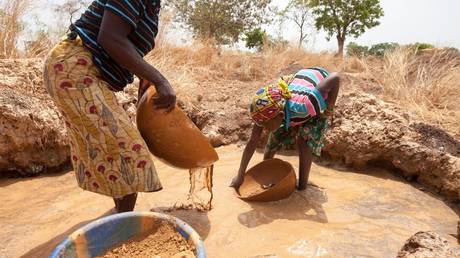

 2 sources
Morning Edition · Friday, July 3, 2026Published at 6:17 AM EDT · New York
Mali tightens state control over gold as prices trade near record levels
The military-led government created a new body to oversee artisanal gold sales, part of a broader effort by resource-rich states to capture more mining revenue.
Mali has created a state body to oversee the sale of artisanally mined gold, part of reforms the government says are aimed at increasing state revenue from the sector, RT reported. The move gives the authorities a direct role in a trade that has long operated informally and outside official channels.
The step comes as gold trades at roughly $4,180 an ounce this week, according to Trading Economics. High prices increase the incentive for producing states to keep a larger share of the value rather than let it leave through unregulated exports.
Mali, one of Africa's largest gold producers, is governed by a military-led administration that has distanced itself from Western partners and moved closer to Russia. Tighter state control over gold fits a wider pattern in which governments across the developing world are asserting ownership over the minerals and metals extracted within their borders.
For a monetary system that is slowly diversifying away from the dollar, gold held or controlled by states rather than private markets takes on added significance. When a producing country directs more of its output through official channels, it gains a hard asset that no foreign authority can freeze or devalue.
Veracity: Corroborated
80/100- If true, who benefits
Mali's military-led government, which captures more revenue from smuggled artisanal output, and a Russia-aligned narrative of moving reserves outside the dollar system.
- The nuance
The Precious Substances Authority is real and was created to track undeclared gold and raise revenue, but the dedollarization and sovereign-reserve framing is an editorial overlay from RT rather than a stated aim.
An open-source-intelligence read of how likely this story is true with its real nuance, not a judgment of any outlet. It assesses the claim, weighing independent and adversarial reporting. How we label confidence.
What this means
High gold prices are changing the calculation for the countries that mine it. As more producing states move to capture and hold their own output, a growing share of the world's gold falls under sovereign control. That reinforces the metal's role as a reserve asset outside the dollar system at a time when central banks are already buying heavily.
What to watch
Synthesized from: RT · Trading Economics
Townsquare
Start a discussion in Townsquare.
More from this edition
- Weak US jobs data pulls gold off its lows and cools bets on more Fed rate hikes
- Brent holds near a four-month low as Hormuz shipping recovers and Iran tensions ease
- Iran begins days of funeral ceremonies for assassinated former leader Khamenei
- China signals it will buy more European goods as Brussels hardens its trade stance
- Japan's largest labor group secures a third straight year of wage gains above 5%
- Deadly strikes hit both sides of the Ukraine war as civilian toll mounts
- Trump heads to Ankara with an F-35 overture as Turkey and Israel trade accusations
- Indonesia courts Belarus and the Pacific trade bloc in a widening balancing act
Comments
0No comments yet.