← The Global Intelligence Brief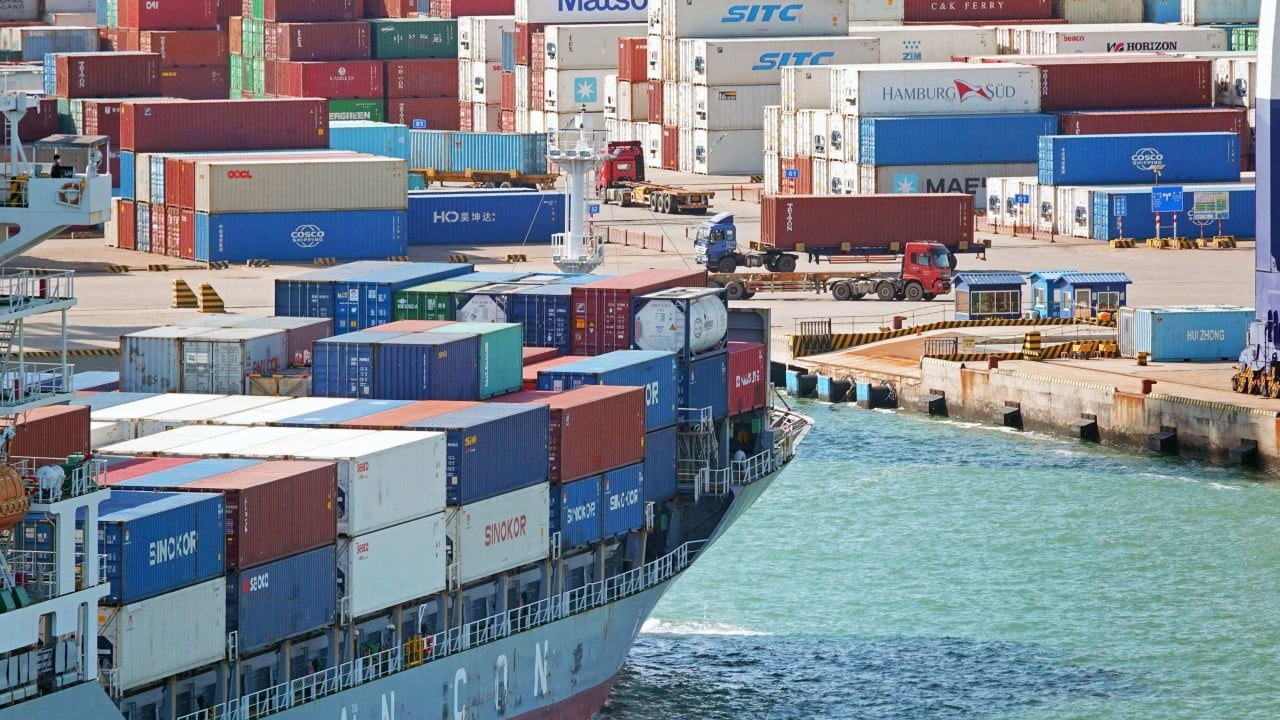
 1 source
Morning Edition · Saturday, July 4, 2026Published at 6:29 AM EDT · New York
China's Grip on African Ports Now Extends to the Software That Runs Them
A study finds Beijing controls not only stakes in about a third of Africa's ports but increasingly the automation and artificial-intelligence systems that operate them.
Chinese firms not only operate, finance or hold stakes in roughly one third of all ports in Africa, but Beijing now also controls much of the software, automation and artificial intelligence (AI) that run the infrastructure, according to a study reported by the South China Morning Post. The report describes a reach that extends beyond the docks into the digital systems that coordinate cargo, customs and logistics.
The finding reframes a familiar concern. For years the concern about Chinese port investment centered on physical ownership and debt. The study's emphasis on the control layer, the operating software and AI that decide how goods move, points to a deeper and less visible form of influence over trade infrastructure across the continent.
As a single study reported by one outlet, the specific figures warrant caution, and the framing reflects a Hong Kong publication's vantage point. Still, it highlights a genuine shift in how infrastructure power is exercised, from physical structures to the software that controls them.
Veracity: Plausible
68/100- If true, who benefits
Washington and European actors who benefit from framing Chinese port technology as a strategic threat, and the study's authors advancing that concern.
- The nuance
The underlying Africa Center research is real, but "control" overstates what the study documents as installed Chinese software and standards, and the one-third figure and the reach of that influence rest on a single study.
An open-source-intelligence read of how likely this story is true with its real nuance, not a judgment of any outlet. It assesses the claim, weighing independent and adversarial reporting. How we label confidence.
What this means
Control of the software and data that run ports is a durable form of leverage over trade flows, potentially more consequential than owning the physical assets. It gives Beijing visibility into commerce across a continent and an early position in setting the technical standards for logistics in emerging markets. This is the infrastructure dimension of the broader contest over who controls the digital systems of the global economy, and it advances China's position in a multipolar order.
What to watch
Source: South China Morning Post
Townsquare
Start a discussion in Townsquare.
More from this edition
- Ukraine Strikes a Major St. Petersburg Oil Terminal, Widening the Economic War on Russia's Fuel Revenue
- Iran Buries Khamenei as Succession Divisions Break Into the Open
- Russia Claims Capture of Kostiantynivka, a Gateway to Ukraine's Donbas Strongholds
- India's Small-Cap Rally Intensifies as Retail Money Chases Triple-Digit Returns
- Europe's Top Court Makes Google's 4.1 Billion Euro Android Fine Final
- India Courts the Chinese Market Even as the West Talks of Decoupling
- South America's Political Map Turns Rightward
- Saudi-Led Coalition Threatens Force as Houthis Reopen Yemen's Skies to Iran
Comments
0No comments yet.