← The Global Intelligence Brief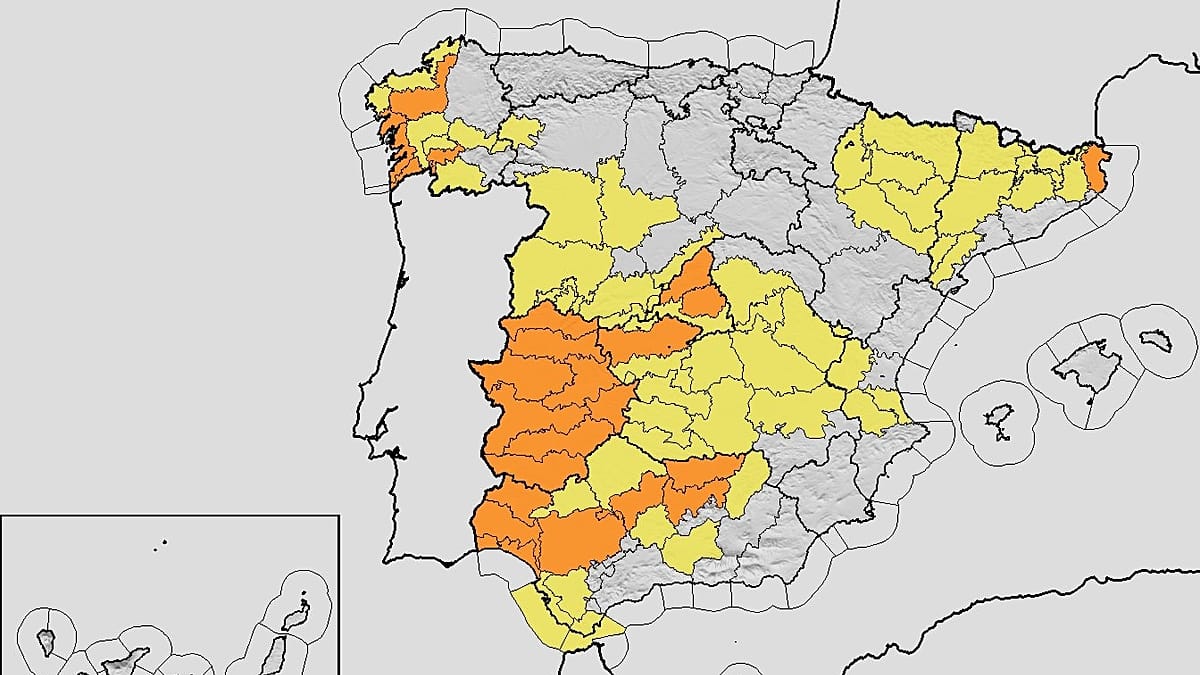
Morning Edition · Saturday, July 4, 2026Published at 6:15 AM EDT · New York
Extreme Heat Grips Europe and the United States
Southern Spain faces temperatures near 42 degrees Celsius while a dangerous heat wave forced Washington to cancel an Independence Day parade.
Severe heat affected both Europe and the United States. In Spain, the national weather service kept a special heat-wave warning in force, with orange alerts across nine regions and highs near 42 degrees Celsius in Andalusia, Extremadura and the Tagus valley, Euronews reported. It was the second such warning of the summer.
In the United States, The Hindu reported that dangerous heat forced the cancellation of an Independence Day parade in Washington. About 160 million Americans were under major or extreme heat warnings as the country marked its 250th anniversary, according to the National Weather Service. The scale of the warnings points to a broad strain on people and infrastructure across large parts of the country.
Recurring heat of this intensity is a measurable economic factor, not only a public-health event. It raises electricity demand for cooling, reduces productivity in outdoor and industrial work, strains power grids and can damage crops. As these episodes become a regular feature of the northern summer, they become a seasonal cost that energy systems and food markets increasingly have to absorb.
What this means
Repeated extreme heat is becoming a predictable seasonal cost for European and American economies rather than an occasional shock. It raises energy demand at the same time it strains the grids meant to meet that demand, lowers worker productivity and threatens harvests. Each severe summer adds to the case that markets must treat heat as a recurring cost embedded in energy and food prices.
What to watch
- Electricity demand and grid reliability during the heat waves, because outages would show physical infrastructure failing to keep pace with rising cooling needs.
- Damage to crops in southern Europe, since harvest losses would feed into food prices later in the year.
Observations to monitor, not financial advice.
Townsquare
Start a discussion in Townsquare.
More from this edition
- Weak US Jobs Report Cools Rate-Hike Bets and Lifts Gold Off Its Lows
- Ukraine Strikes Oil Terminals Near St Petersburg in Deepening Energy Campaign
- Bitcoin Recovers Toward $62,000 as Rate-Hike Fears Ease
- Europe's Top Court Makes Google's 4.1-Billion-Euro Android Fine Final
- Hundreds of Thousands Mourn Iran's Khamenei Amid Questions Over Succession
- Saudi-Led Coalition Threatens Force as Houthis Block Its Warplanes
- A Rightward Turn Sweeps South America's Politics
- The Fight Over Chinese 'Overproduction' Divides a Rebalancing World Economy
Comments
0No comments yet.