← The Global Intelligence Brief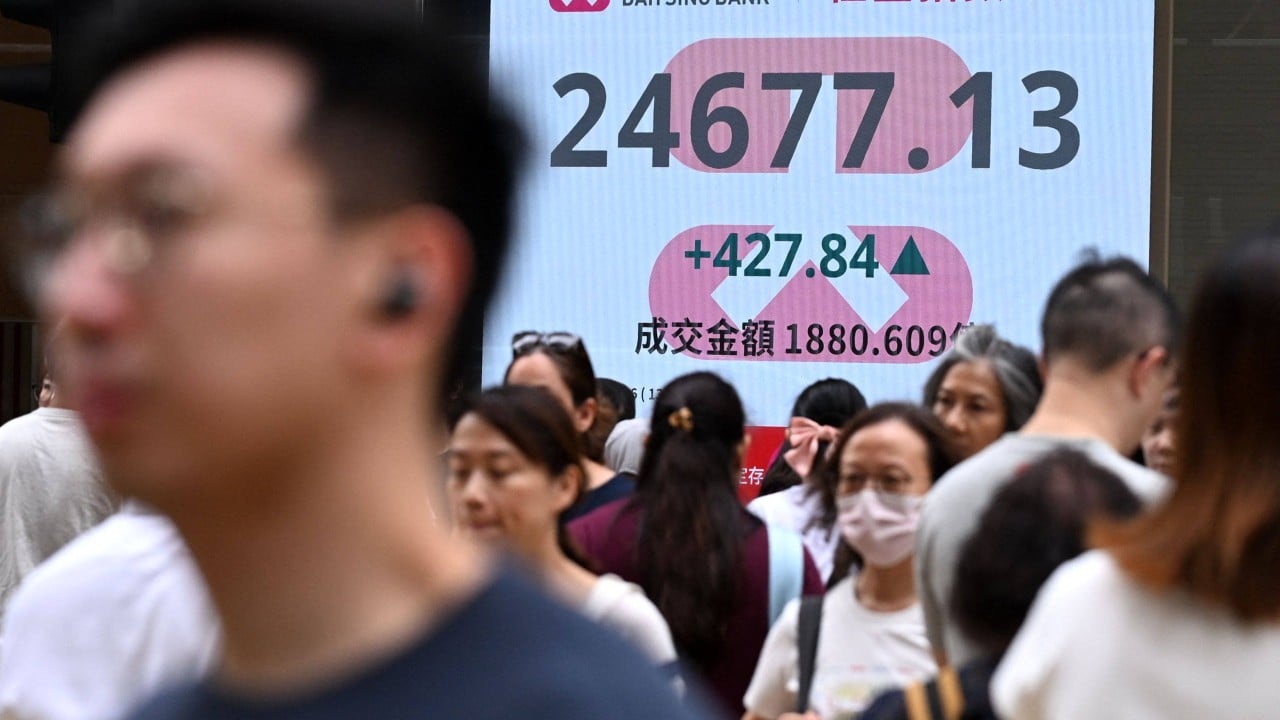

 2 sources
Morning Edition · Thursday, July 9, 2026Published at 1:13 AM EDT · New York
Asian Technology Shares Sell Off as India's Sensex Rebounds More Than 550 Points
Hong Kong's Hang Seng surrendered recent gains near 24,000 while Indian benchmarks recovered from the prior day's sharp decline.
Asian markets moved in opposite directions on Thursday. Hong Kong stocks retreated, giving back recent gains as a technology selloff across neighboring markets weighed on sentiment, with the Hang Seng Index down 0.78 percent to around 24,000 at the midday break, the South China Morning Post reported. Short covering, meaning traders buying back borrowed shares they had sold in a bet on falling prices, was not enough to offset the pressure.
India moved the other way. The Sensex rose more than 550 points and the Nifty reclaimed 24,000 in a rebound from what the Economic Times described as the prior session's steep decline, even as rising oil prices, driven by the Middle East conflict, weighed on the market.
The split is instructive. Both markets face the same energy shock and the same tech volatility, yet positioning and prior losses left them at different points in the cycle. Hong Kong is reversing a rally, while India is recovering from a decline.
The shared factor is that the AI-hardware trade, which lifted Asian equities, now moves them in both directions. When investors question whether the capital spending behind the boom can be sustained, the same shares that led the rise lead the decline.
What this means
The channel is positioning in a concentrated tech trade. Asian indices heavy in AI-hardware and semiconductor shares swing on shifts in sentiment about the durability of that spending, so gains reverse quickly when doubt returns. Indian equities show that domestic flows can offset the same global shock, while Hong Kong shows how exposed a market becomes when a single sector leads it up. The rising oil price adds a second drag on both by lifting import costs.
What to watch
- Whether the Hang Seng stabilizes above 24,000 or keeps sliding, which would tell you if this is a pause in the rally or the start of a deeper decline.
- How Indian markets absorb the higher oil price, since India imports most of its crude and a sustained rise would erode the earnings behind the rebound.
Observations to monitor, not financial advice.
Synthesized from: South China Morning Post · Economic Times
Townsquare
Start a discussion in Townsquare.
More from this edition
- Crude Climbs a Third Day as US-Iran Strikes Reinstate a War Premium in Oil
- Iran Hits Qatar, Bahrain and Kuwait and Attacks Hormuz Ships as US Bombs About 90 Iranian Targets
- IMF Cuts 2026 World Growth Forecast to 3 Percent, Citing the Iran War
- Economists Warn Premature Rate Cuts Would Cost Central Banks Their Credibility
- Beijing Will Let Chinese AI Firms Buy Nvidia's H200 Chips Under Case-by-Case Review
- Bain Capital Exits Kioxia After Its Shares Rose More Than 4,800 Percent Since Listing
- Trump Grants Ukraine Authority to Operate Patriot Defenses at Fractious NATO Summit
- Trump Says He Will Remove Syria From the US List of State Sponsors of Terrorism
Comments
0No comments yet.