← The Global Intelligence Brief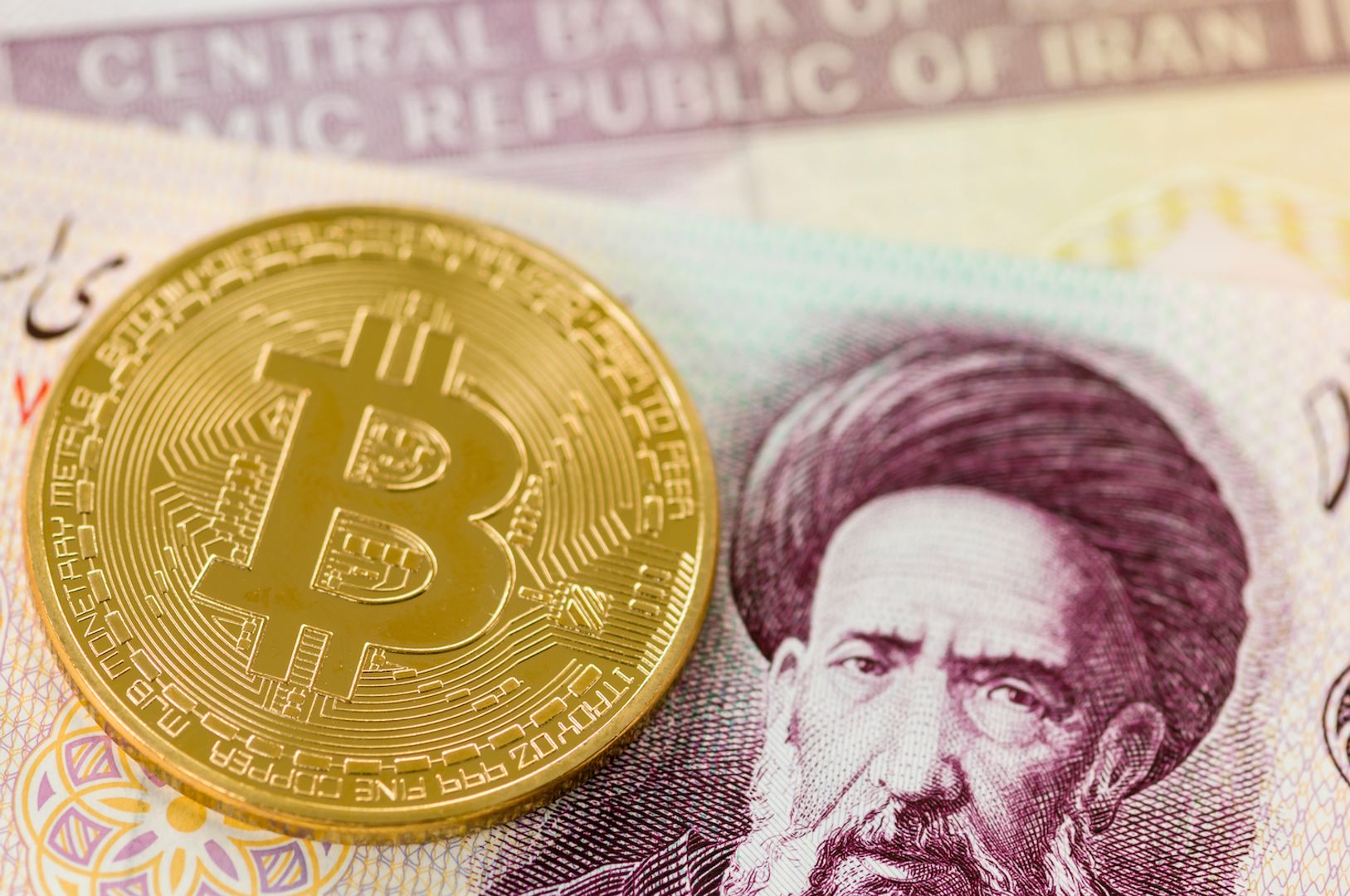
 1 source
Morning Edition · Thursday, July 9, 2026Published at 1:13 AM EDT · New York
Bitcoin Holds a Weekly Gain as Gold Falls for a Fourth Day During the Iran War Scare
The divergence between the two hard assets points to dollar strength and positioning rather than a simple flight to safety.
Bitcoin and ether held steady through a second day of US-Iran strikes, with bitcoin up about 1.6 percent on the week, while gold fell for a fourth straight session, CoinDesk reported. Oil climbed for a third day over the same stretch, so the two assets most associated with hard money moved apart during a typical risk event.
The divergence is worth examining. Gold usually rises when fears of war increase, so a four-day decline alongside a stronger dollar suggests investors are selling gold to cover other positions or buying dollars directly, rather than moving into safe assets. Bitcoin's stability, meanwhile, shows it trading less like a safe haven and more like a scarce asset that keeps its value while other markets fluctuate.
For a sound-money reader, the episode is a reminder that hard assets do not move together. Both gold and bitcoin offer an escape from currencies whose supply governments can expand, but over short periods they respond to different forces, dollar liquidity for gold and its own adoption cycle for bitcoin.
The lasting point is the continuing demand for both. Recurring doubts about government-issued money, increased by war and by loose policy, sustain demand for assets with a fixed or non-government supply, even when daily prices diverge.
What this means
The channel is competing demand for scarce, non-sovereign stores of value. When the dollar strengthens during a risk event, gold can fall as investors buy dollars, while bitcoin's price responds more to its own adoption and liquidity cycle. The takeaway for holders is that the two are not interchangeable hedges over short horizons, even though both express the same long-run distrust of currencies whose supply the state controls.
What to watch
- Whether gold's decline continues or reverses once the dollar stabilizes, which would clarify if the selling was positioning rather than a change in the metal's role.
- Whether bitcoin holds up if equities and oil turn more volatile, the test of whether it is trading as a scarce asset or as a risk asset.
Observations to monitor, not financial advice.
Source: CoinDesk
Townsquare
Start a discussion in Townsquare.
More from this edition
- Crude Climbs a Third Day as US-Iran Strikes Reinstate a War Premium in Oil
- Iran Hits Qatar, Bahrain and Kuwait and Attacks Hormuz Ships as US Bombs About 90 Iranian Targets
- IMF Cuts 2026 World Growth Forecast to 3 Percent, Citing the Iran War
- Economists Warn Premature Rate Cuts Would Cost Central Banks Their Credibility
- Beijing Will Let Chinese AI Firms Buy Nvidia's H200 Chips Under Case-by-Case Review
- Asian Technology Shares Sell Off as India's Sensex Rebounds More Than 550 Points
- Bain Capital Exits Kioxia After Its Shares Rose More Than 4,800 Percent Since Listing
- Trump Grants Ukraine Authority to Operate Patriot Defenses at Fractious NATO Summit
Comments
0No comments yet.