← The Global Intelligence Brief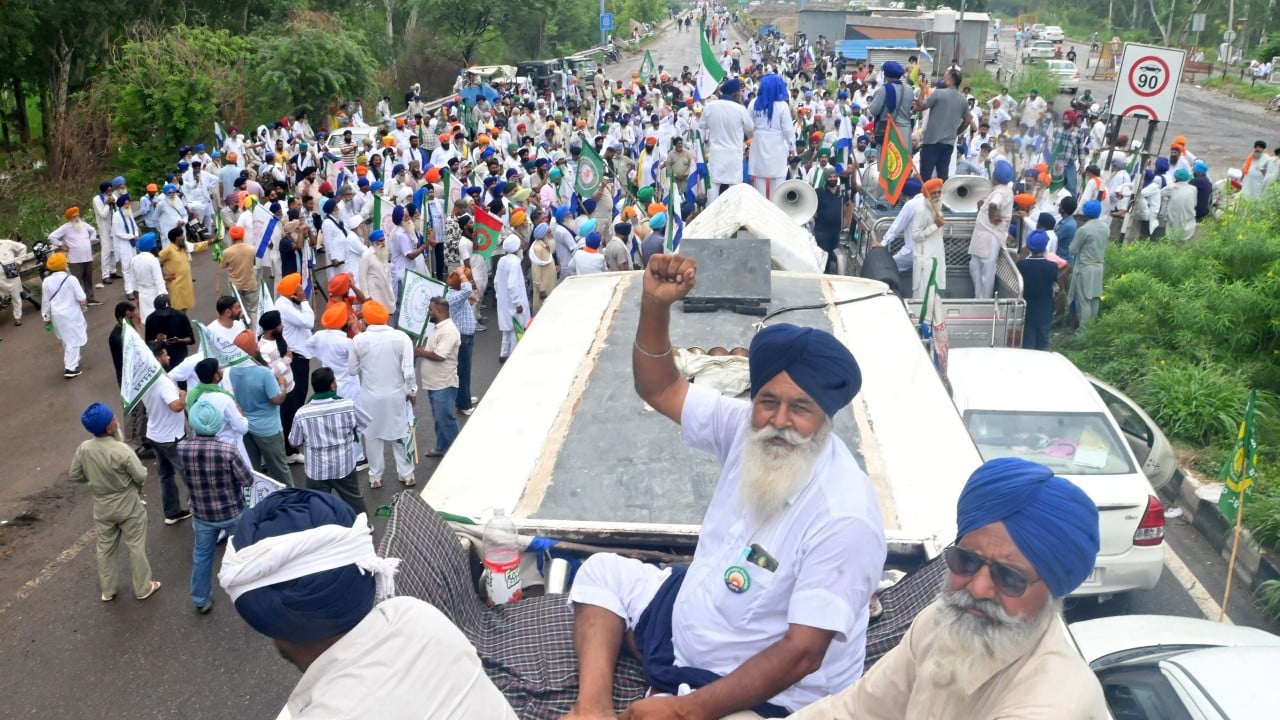

 2 sources
Morning Edition · Thursday, July 23, 2026Published at 1:33 AM EDT · New York
Modi Faces Farmer Backlash as India Weighs a Trade Deal at the Center of Trump's Tariff Push
Punjab farmers marched on Delhi to demand that agriculture be excluded, while New Delhi holds out for better terms and looks to other trading partners.
India's potential trade deal with the United States has become a domestic political conflict. The South China Morning Post reported that Prime Minister Narendra Modi faces mounting backlash over a pact that would place India at the center of President Trump's effort to redirect agricultural exports displaced by his trade war with China, in its analysis. Thousands of Punjab farmers marched toward Delhi this week demanding that agriculture and dairy be kept out of any agreement, fearing cheaper American imports would undercut guaranteed crop prices.
New Delhi is not rushing. Indian officials have held out for better terms, drawing confidence from new trading partners and a resilient domestic economy, and the two sides have not reached consensus. Modi's own party has argued publicly that farmers and small businesses must be shielded, the two constituencies India has long protected in trade talks.
The Financial Times, assessing the overall results, asked whether President Trump's tariff strategy is succeeding, in a column weighing the results. For India the calculation is whether the market access it gains is worth the political cost of exposing its farm sector.
Veracity: Corroborated
86/100- If true, who benefits
US agricultural exporters seeking a home for produce displaced by the China tariff war, and both Modi's rural base and the opposition, who convert the protest into leverage.
- The nuance
The deal is unsigned and its contours undisclosed; New Delhi's agriculture minister insists farm goods are already ring-fenced, disputing the premise that Punjab's growers face imminent exposure.
An open-source-intelligence read of how likely this story is true with its real nuance, not a judgment of any outlet. It assesses the claim, weighing independent and adversarial reporting. How we label confidence.
What this means
Washington is using phased tariffs as deadlines to reshape where goods are produced and sold, and India is being asked to absorb the farm exports China no longer buys. The exposed group is India's agricultural base, roughly half its workforce, whose guaranteed prices could erode under import competition. The channel is political as much as economic. If farm protests force New Delhi to exclude agriculture, the deal shrinks, and if Modi concedes, he risks the rural vote. Either outcome reshapes supply chains for grains and oilseeds across Asia.
What to watch
Synthesized from: South China Morning Post · Financial Times
Townsquare
Start a discussion in Townsquare.
More from this edition
- Oil Climbs Past $94 as Houthis Strike Saudi Tankers and US Bombs Iran for a 12th Day
- US Strikes Iran for 12th Consecutive Day as Tehran Hits American Bases in Kuwait
- Oil Shock Revives Fed Rate-Hike Bets, Lifting Yields and Pressuring Global Stocks
- Bitcoin Falls Below $65,500 as Oil, Yields and a Regulatory Setback Weigh on Crypto
- Alphabet and Tesla Fall as AI Spending Surges, Reviving the Power-Supply Question
- Asian Governments Race to Shockproof Energy Supply as Hormuz Risk Deepens
- Europe's Heatwave Turns Deadly as Wildfires Spread Across France, Italy and Spain
- Ukrainian Drones Halt a Major Oil Route as Both Sides Widen Strikes on Energy
Comments
0No comments yet.