← The Global Intelligence Brief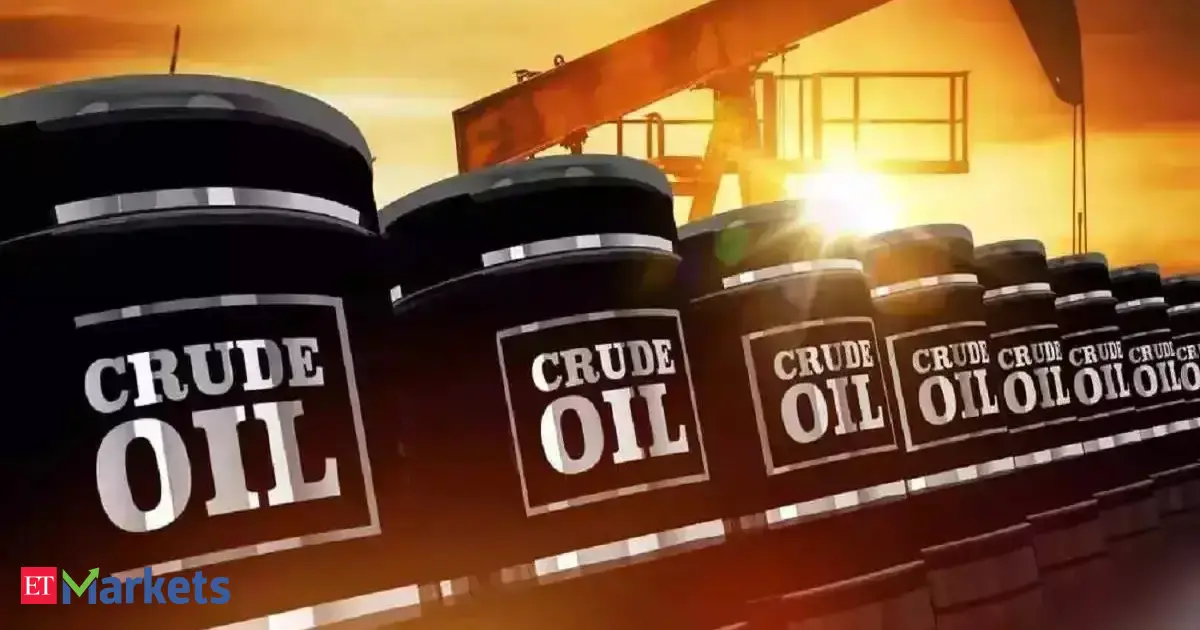

 3 sources
Morning Edition · Saturday, July 25, 2026Published at 1:15 AM EDT · New York
Oil Falls From Two-Month High on Report China Is Pushing to End US-Iran War
Brent slid about 2.3 percent to roughly 98 dollars a barrel after a week of sharp gains, as Beijing's reported mediation raised hopes of a ceasefire that would remove the risk premium tied to the conflict.
Crude oil prices fell on Friday for the first time in a week, retreating after a week of gains, following reports that China is pressing both Washington and Tehran toward a ceasefire. Brent crude fell about 2.3 percent to near 98 dollars a barrel, and West Texas Intermediate followed, though both benchmarks still posted substantial weekly gains driven by shipping disruptions in the Red Sea and around the Strait of Hormuz.
The diplomatic effort centers on Beijing. Dawn reported that exploratory contacts between US and Iranian officials took place during the Iranian interior minister's recent travels, described by sources as talks pursued with China's blessing. China, the largest buyer of Iranian crude, has a direct economic interest in reopening Gulf shipping lanes and lowering the price of the oil it imports.
The decline may not last. Even as prices eased, the Islamic Revolutionary Guard Corps (IRGC) vowed to respond to continued US strikes, and no side has confirmed a lasting halt. Traders are treating the day's fall as a reaction to a single report rather than a resolution, which is why the weekly gain held.
Part of a tracked trend
Middle East War Premium Returns to Oil
Renewed US-Iran conflict reinstates a geopolitical risk premium in crude that reverses the earlier de-escalation slide, feeding energy-driven inflation and redistributing income toward oil producers each time brinkmanship flares.
Veracity: Plausible
72/100- If true, who benefits
China, the largest buyer of Iranian crude, gains cheaper oil and a peacemaker's standing, while every oil importer benefits from a lower risk premium.
- The nuance
Markets reacted to a single report of exploratory contacts, not a confirmed halt, and the "China's blessing" detail rests on Dawn's unnamed sources while strikes continued.
An open-source-intelligence read of how likely this story is true with its real nuance, not a judgment of any outlet. It assesses the claim, weighing independent and adversarial reporting. How we label confidence.
What this means
Oil carries a geopolitical premium that rises and falls with each new development, and that volatility shifts income between energy importers and producers with every move. A credible ceasefire would lower crude, ease the inflation pressure on central banks, and relieve import-heavy economies such as India and China, while reducing the extra revenue flowing to Gulf and Russian exporters. The premium is not gone, it is priced day to day, so the exposed parties are refiners, airlines, and any importer that must hedge fuel costs against a market that can move 3 dollars in a single session.
What to watch
Synthesized from: Economic Times (oil falls on China report) · Economic Times (crude falls first time in a week) · Dawn (China's blessing for talks)
Townsquare
Start a discussion in Townsquare.
More from this edition
- Bond Yields Hold Near Multi-Decade Highs as Markets Brace for Fed Decision
- Trump Weighs Intensifying Iran Strikes as Tehran Says It Hit US Bases in the Gulf
- Saudi-Led Coalition Strikes Yemen's Hodeida as Houthis Vow Retaliation
- Gold Holds Near 4,030 Dollars as Safe-Haven Demand Meets Higher Yields
- Ukraine Strikes Plant in Russia's Kirov Region, Prompting Three Days of Mourning
- SpaceX Completes First Starship Test Flight Since Going Public
- Rupee Nears Record Low Against the Dollar Before RBI Intervention
- Japan Courts India and Malaysia to Build an AI Bloc Beyond the US-China Duopoly
Comments
0No comments yet.