← The Global Intelligence Brief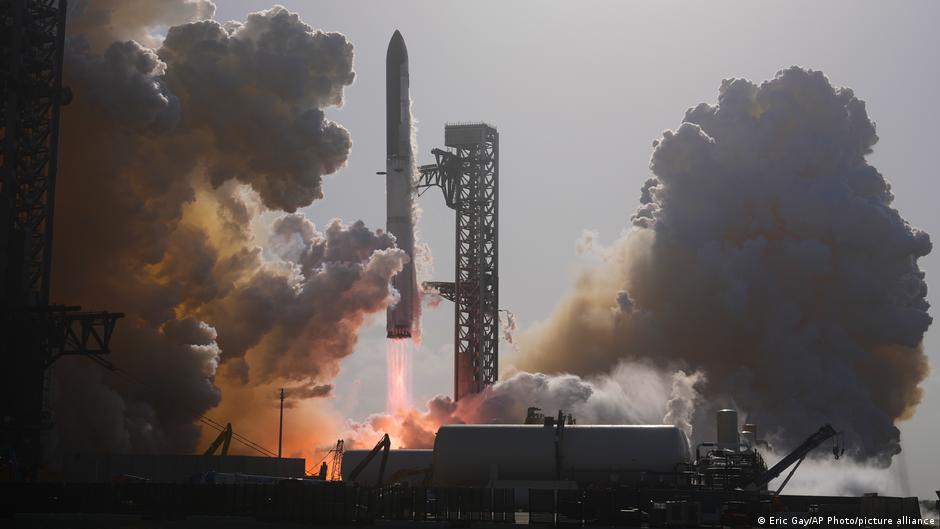


 3 sources
Morning Edition · Saturday, July 25, 2026Published at 1:15 AM EDT · New York
SpaceX Completes First Starship Test Flight Since Going Public
The vehicle splashed down in the Indian Ocean on its 13th test flight, its first since Elon Musk's company listed shares in June, carrying its most advanced Starlink satellites.
SpaceX flew its Starship vehicle on another test flight, its first since the company went public in June. Deutsche Welle reported that the rocket completed its 13th test flight and splashed down in the Indian Ocean. It was the first Starship mission conducted while SpaceX has public shareholders.
The flight deployed what The Hindu described as the most advanced Starlink satellites to date, part of the satellite-internet network that generates much of the company's recurring revenue. The Japanese outlet Jiji Press reported the mission as a new satellite deployment and the first flight test after the listing.
The distinction matters. Before the initial public offering (IPO), the risk of a failed test rested with a closely held private company and its venture backers. Now every flight, successful or not, affects public investors who bought into one of the most highly valued listings in the recent wave of technology offerings.
What this means
SpaceX's listing moves the risk and reward of frontier space technology onto public markets, so test outcomes now translate into share-price moves for retail and institutional holders rather than private valuations updated once a year. The exposed parties are SpaceX shareholders, index funds that will eventually hold the stock, and competitors whose own valuations are benchmarked against it. A series of successful flights supports the case that well-known private technology firms can carry frontier-stage risk in public markets, while a visible failure would test how much volatility those investors will tolerate.
What to watch
- SpaceX's share-price reaction to test outcomes, the first evidence of how public investors price launch risk.
- The pace of Starlink deployment and subscriber growth, the revenue source underpinning the valuation.
- Whether rival AI and frontier-tech firms accelerate their own listings, which would extend the mega-IPO wave.
Observations to monitor, not financial advice.
Synthesized from: Deutsche Welle · The Hindu · Jiji Press
Townsquare
Start a discussion in Townsquare.
More from this edition
- Bond Yields Hold Near Multi-Decade Highs as Markets Brace for Fed Decision
- Oil Falls From Two-Month High on Report China Is Pushing to End US-Iran War
- Trump Weighs Intensifying Iran Strikes as Tehran Says It Hit US Bases in the Gulf
- Saudi-Led Coalition Strikes Yemen's Hodeida as Houthis Vow Retaliation
- Gold Holds Near 4,030 Dollars as Safe-Haven Demand Meets Higher Yields
- Ukraine Strikes Plant in Russia's Kirov Region, Prompting Three Days of Mourning
- Rupee Nears Record Low Against the Dollar Before RBI Intervention
- Japan Courts India and Malaysia to Build an AI Bloc Beyond the US-China Duopoly
Comments
0No comments yet.