← The Global Intelligence Brief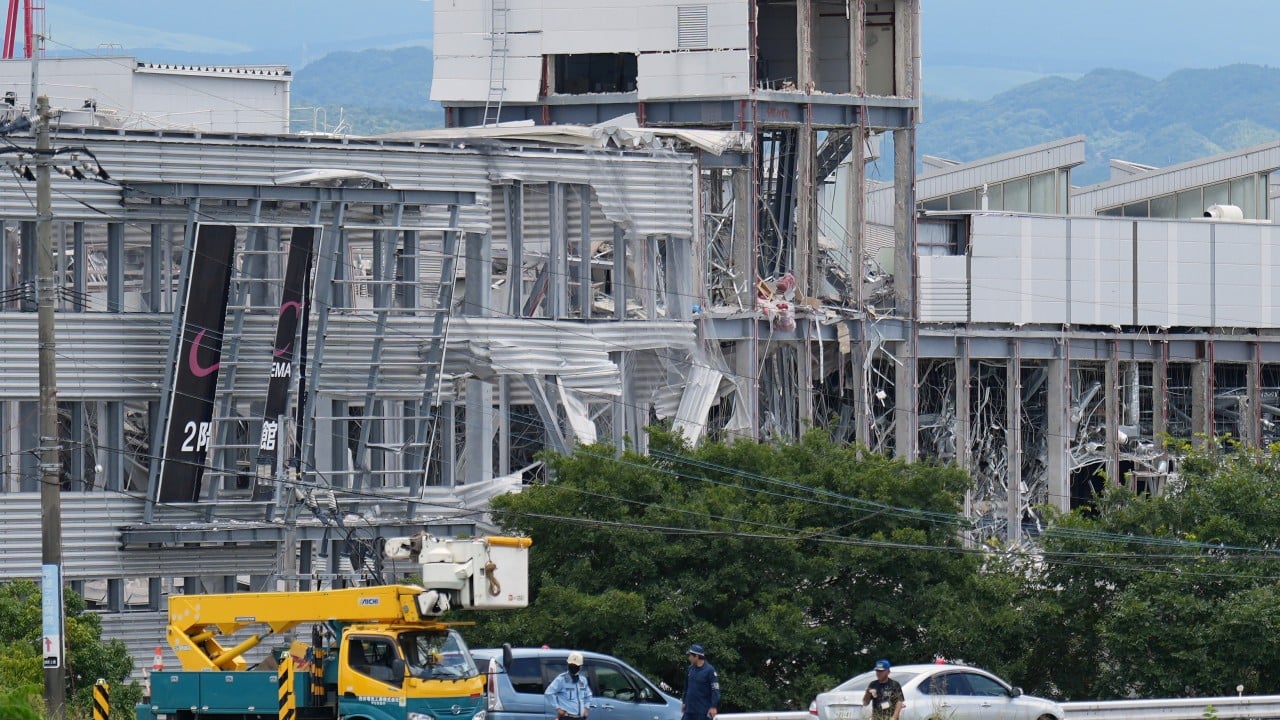


 3 sources
Morning Edition · Wednesday, July 29, 2026UpdatedPublished at 7:04 AM EDT · New York
Kumamoto Earthquake Kills at Least 13 as a Newly Reopened Shopping Mall Collapses
Rescuers searched for survivors in southwestern Japan after a quake that sources reported at magnitude 6.8 to 7.1, with the confirmed death toll rising to at least 18.
Updated at 7:04 AM EDT
The confirmed death toll rose from at least 13 to at least 18, including three killed in a gas explosion at the mall and five killed by a collapsed chimney at a paper factory.
A powerful earthquake struck the Kumamoto area on Japan's southwestern main island, killing at least 18 people and prompting a continuing search for the missing. The South China Morning Post reported that Prime Minister Sanae Takaichi confirmed the earlier toll after a newly reopened Aeon Mall collapsed, with rescue work extending into Wednesday. CBS News reported that at the mall, three people were confirmed killed in a gas explosion and three store employees remained missing, while a collapsed chimney at a Nippon Paper Industries factory killed five and left others trapped.
Sources gave differing magnitudes. The South China Morning Post and The Japan Times reported the quake at magnitude 7.1, while The New York Times reported a magnitude of 6.8. All described emergency crews working urgently to reach people trapped in collapsed buildings and to put out fires, with the toll expected to rise and rescue efforts complicated by high temperatures.
The disaster struck a region already familiar with major seismic events and now facing damage to recently rebuilt commercial structures, including the mall whose collapse accounts for a share of the confirmed deaths.
Part of a tracked trend
Disasters as Political and Supply Shocks
Major natural disasters in commodity-producing states translate into political instability and supply disruptions that markets increasingly have to price, recurring as climate and geological shocks hit fragile economies.
What this means
A major quake in an industrial region of Japan threatens manufacturing output, transport links and insured property, which is the channel through which a natural disaster becomes an economic and supply shock. Exposed are Japanese insurers facing claims, manufacturers in Kyushu with plants near the epicenter, and local government finances that must fund reconstruction. The collapse of a newly reopened building also raises questions about construction standards that could carry a regulatory and reputational cost for developers.
What to watch
- Reports of damage to semiconductor and auto plants in Kyushu, because Kumamoto hosts chip fabrication and any outage would ripple into already-stressed supply chains.
- The Bank of Japan and government fiscal response, since large reconstruction spending would affect the budget and the timing of any policy normalization.
Observations to monitor, not financial advice.
Synthesized from: South China Morning Post · The Japan Times · The New York Times
Townsquare
Start a discussion in Townsquare.
More from this edition
- Chip Stocks Lead a Second Day of Global Equity Losses as Markets Await the Fed's Decision
- US and Saudi Forces Strike Iran-Aligned Militias in Iraq After Missiles Hit American Troops in Jordan
- Oil Retreats as Iran, Saudi Arabia and Oman Open Talks on the Strait of Hormuz
- Ukraine Retools Its Long-Range Drone Campaign to Keep Russian Refineries Offline Longer
- Indian Stocks Rise as Asia's Chip Selloff Spares Mumbai
- Trump Hosts Netanyahu for a Seventh White House Visit as Protesters Confront the Israeli Leader
- Zelensky Meets Trump in Washington as the War's Diplomacy Shifts
- Iran to Receive Chinese Shoulder-Launched Missiles Within Weeks, Sources Say
Comments
0No comments yet.