← The Global Intelligence Brief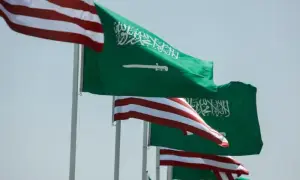
Morning Edition · Wednesday, July 29, 2026UpdatedPublished at 7:04 AM EDT · New York
US and Saudi Forces Strike Iran-Aligned Militias in Iraq After Missiles Hit American Troops in Jordan
An Iraqi paramilitary force said at least 15 of its members were killed across seven provinces as a fragile pause in the United States-Iran war ended, Jordan intercepted Iranian missiles, and Baghdad called an emergency meeting.
Updated at 7:04 AM EDT
The Iraqi militia death toll rose from eight to at least 15, with its own count reaching 20 killed and 32 wounded, Jordan confirmed it intercepted five Iranian missiles, and Baghdad convened an emergency government meeting.
A short pause in the United States-Iran war ended on Tuesday when American and Saudi forces carried out joint air operations against Iran-aligned militias in Iraq. Dawn reported the two governments described the targets as "Iran-aligned terrorists" and framed the strikes as retaliation for recent attacks.
The strikes followed an Iranian missile launch that widened the confrontation. According to Globes, citing the United States military, Islamic Revolutionary Guard Corps forces fired several ballistic missiles from Iran in what American commanders called an attempted surprise attack on United States forces stationed in the Middle East, reporting that the missiles were intercepted. Al-Monitor and other outlets reported the missiles were aimed at American forces based in Jordan. Jordan's military said it intercepted five missiles launched from Iran early Wednesday, hours after the American strikes.
Accounts of the aftermath differ by source. The United States Central Command and the Saudi Defence Ministry blamed the militias for more than 30 drone attacks on Saudi territory over 72 hours. Iraq's Popular Mobilisation Forces said its members were killed and wounded in strikes across seven provinces, putting the toll as high as 20 killed and 32 wounded, while other accounts cited at least 15 dead. The Hindu reported that Iraqi Prime Minister Ali al-Zaidi ordered his security agencies to investigate, and the government called an emergency meeting, placing Baghdad between Washington, Riyadh and Tehran.
The exchanges came after both sides had declared a ceasefire agreement void, reducing the chance of a return to the negotiations that had briefly lowered the war risk premium in oil prices.
Part of a tracked trend
Fragile US-Iran Detente
The US-Iran settlement is a managed, reversible arrangement rather than a durable peace, so repeated rounds of brinkmanship and renegotiation will keep regional risk live and intermittently price back into energy markets.
Veracity: Corroborated
80/100- If true, who benefits
Washington and Riyadh, which cast strikes on Iraqi soil as defensive retaliation and justify a widened campaign against Iran, and oil producers who gain from the war-risk premium in crude.
- The nuance
The Popular Mobilisation Forces are legally part of Iraq's state security apparatus, so branding them "Iran-aligned terrorists" and attributing 30 drone launches to direct IRGC orders is the US-Saudi framing that Baghdad has not confirmed.
An open-source-intelligence read of how likely this story is true with its real nuance, not a judgment of any outlet. It assesses the claim, weighing independent and adversarial reporting. How we label confidence.
What this means
The reopening of hostilities on Iraqi soil turns a managed pause into an active, multi-front conflict that draws in Saudi Arabia and puts Iraqi sovereignty in dispute, which is the channel through which the fighting reprices Gulf energy risk. Exposed are oil importers reliant on Gulf crude, Iraqi and Saudi energy infrastructure now named as targets, and any diplomatic track that assumed the ceasefire would hold. The immediate market effect runs through the geopolitical risk premium embedded in crude rather than through any change in physical supply so far.
Townsquare
Start a discussion in Townsquare.
More from this edition
- Chip Stocks Lead a Second Day of Global Equity Losses as Markets Await the Fed's Decision
- Oil Retreats as Iran, Saudi Arabia and Oman Open Talks on the Strait of Hormuz
- Ukraine Retools Its Long-Range Drone Campaign to Keep Russian Refineries Offline Longer
- Indian Stocks Rise as Asia's Chip Selloff Spares Mumbai
- Trump Hosts Netanyahu for a Seventh White House Visit as Protesters Confront the Israeli Leader
- Zelensky Meets Trump in Washington as the War's Diplomacy Shifts
- Kumamoto Earthquake Kills at Least 13 as a Newly Reopened Shopping Mall Collapses
- Iran to Receive Chinese Shoulder-Launched Missiles Within Weeks, Sources Say
Comments
0No comments yet.