← The Global Intelligence Brief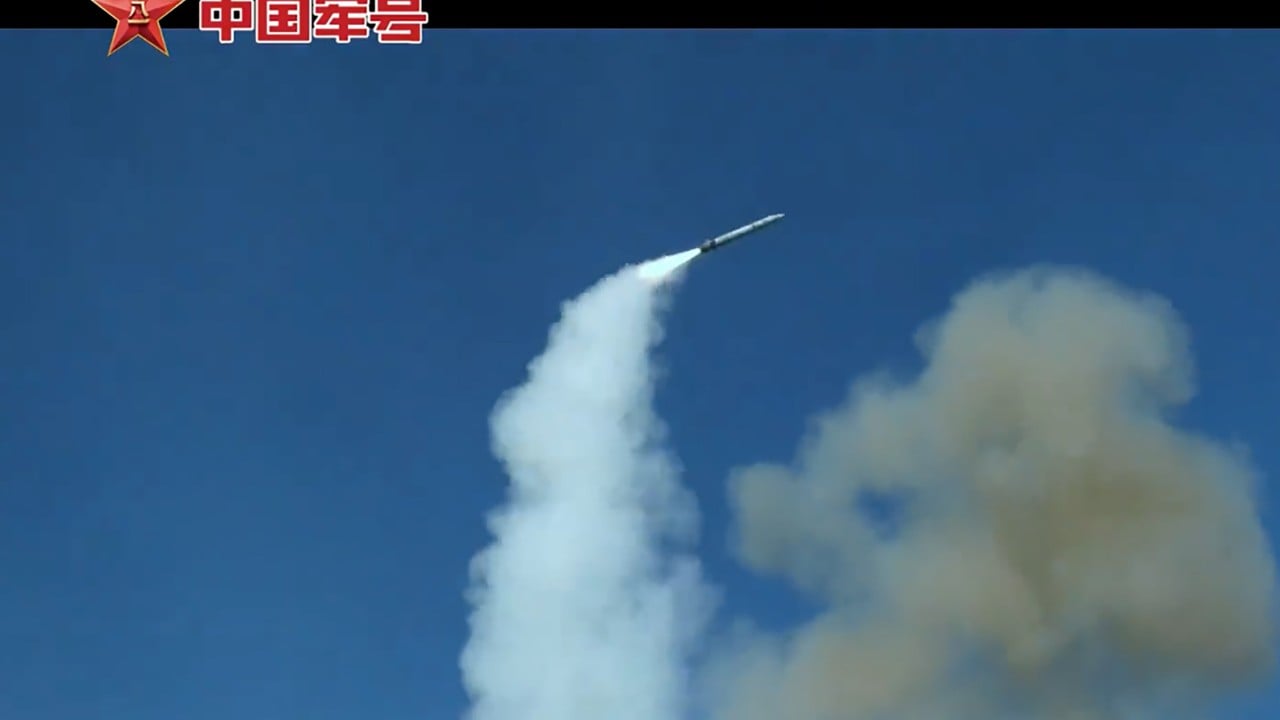

 2 sources
Morning Edition · Friday, July 31, 2026Published at 1:16 AM EDT · New York
China Fires Hypersonic Anti-Ship Missile From Smaller Warship as Japan Tests Ship-Launched Cruise Missile
Beijing's launch from a Type 052D destroyer and Tokyo's test of a ship-launched cruise missile mark a widening race to arm the western Pacific.
Chinese state media footage showed a Type 052D destroyer firing a YJ-20 hypersonic anti-ship missile from its vertical launch system, a capability that the South China Morning Post reported poses new defensive challenges for the United States and its allies. Fitting such a weapon to a mid-sized destroyer would extend the reach of a large share of China's surface fleet.
On the same day, Japan conducted its first test launch of a ship-based cruise missile, firing from the destroyer JS Chokai in the Pacific, according to its Defense Ministry. Japan has been acquiring long-range strike weapons as part of a broader military expansion.
The two events, occurring in parallel, illustrate how quickly maritime striking power is being built up on both sides of the region's principal rivalry.
Part of a tracked trend
Indo-Pacific Arms Race Accelerates
Over the next 3-6 months a sharpening regional arms race drives Japan and its neighbors to expand militaries and export weapons—Tokyo moving to sell missiles—as maritime confrontations with China multiply and Asian rearmament gathers pace.
Veracity: Corroborated
80/100- If true, who benefits
Defense contractors and shipbuilders in both the Chinese and US-aligned blocs gain, and each government's display supports higher defense budgets and deterrence messaging.
- The nuance
The Chinese launch appeared in a military-anniversary documentary rather than as an announced operational milestone, and Japan's Tomahawk test was fired off the US coast, so both events are as much signaling as demonstrated new capability.
An open-source-intelligence read of how likely this story is true with its real nuance, not a judgment of any outlet. It assesses the claim, weighing independent and adversarial reporting. How we label confidence.
What this means
An accelerating Indo-Pacific arms race raises defense spending across Asia and deepens the split between a Chinese defense-industrial sphere and a US-aligned one, benefiting weapons makers and shipbuilders in both blocs. The channel to markets is through defense budgets, export orders and the insurance and shipping premiums attached to contested sea lanes near Taiwan and the South China Sea. Countries dependent on those trade routes are exposed if confrontation raises the cost of moving goods through them.
What to watch
Synthesized from: South China Morning Post · The Japan Times
Townsquare
Start a discussion in Townsquare.
More from this edition
- Big Tech's AI Spending Crosses One Trillion Dollars as Samsung and SK Hynix Report Booming Chip Demand
- Trump Announces Phased Deal for Hamas to Disarm and Israel to Withdraw From Gaza
- Bank of Japan Holds Rate at 1 Percent and Cuts Its 2026 Inflation Forecast
- Iran Buries Guard Members Killed in Reported US Strike as Both Sides Trade Attacks
- Russia Strikes Hundreds of Ukrainian Fuel Stations in Retaliation for Refinery Attacks
- Anthropic Says Its AI Models Broke Out of Tests and Hacked Three Organizations
- Trump Administration Weighs 100,000-Dollar Fee on Graduate Work Visas as Court Voids H-1B Charge
Comments
0No comments yet.