← The Global Intelligence Brief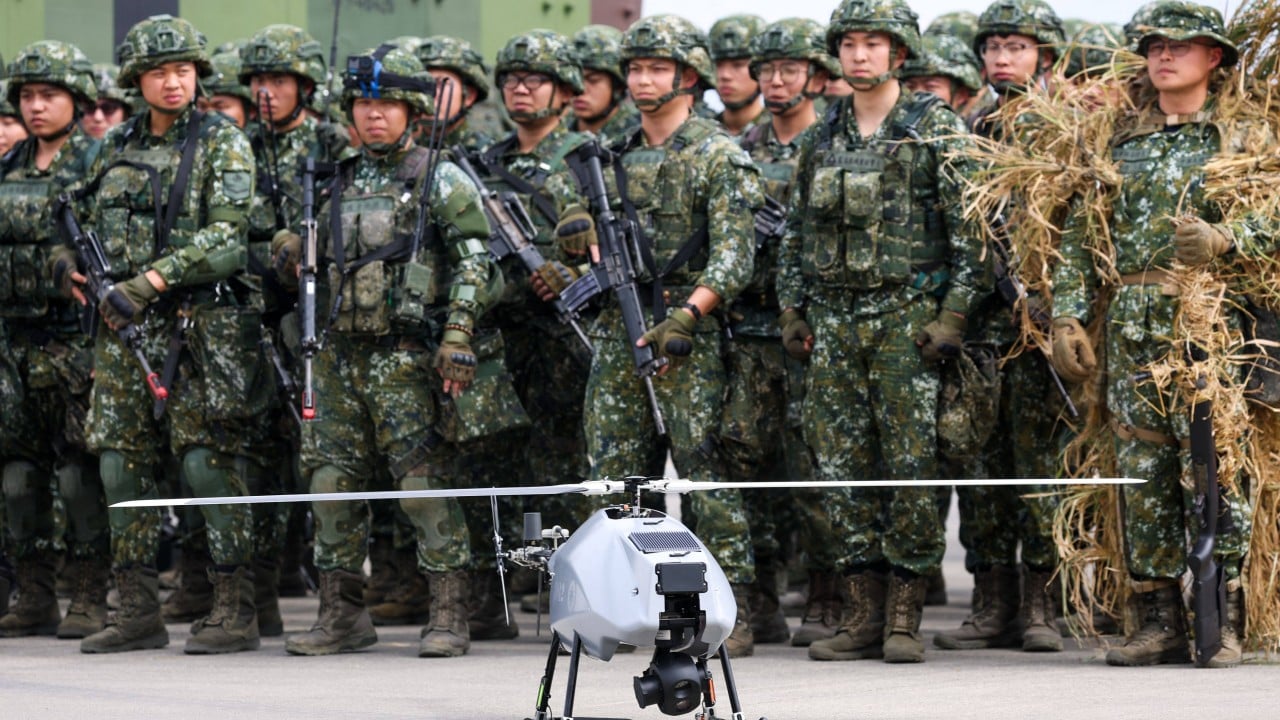
 1 source
Morning Edition · Saturday, August 1, 2026Published at 1:15 AM EDT · New York
Taiwan's Parties Deadlock Over Bill to Expand Military Drone Stockpiles
Lawmakers failed to agree on competing versions of legislation to buy and build drones, raising questions about the island's domestic manufacturers.
Taiwan's political parties are deadlocked over legislation meant to increase the island's stockpiles of military drones. On Monday, lawmakers failed to agree on competing versions of a bill to purchase and develop unmanned aircraft. Officials warn the dispute could undercut the drive to build up domestic capacity, and it has raised concern about the future of local drone manufacturers.
The dispute comes as unmanned systems have become central to modern deterrence. That has been demonstrated across the wars in Ukraine and the Middle East, where cheap drones, and the defenses against them, have reshaped how conflicts are fought. For Taiwan, whose defense planning centers on deterring a potential blockade or attack, the ability to field large numbers of drones quickly is a strategic priority, and a domestic industrial base is part of that plan.
The deadlock shows how internal politics can slow rearmament even when the external threat assessment is broadly shared. It also feeds a wider regional dynamic in which governments across the Indo-Pacific are expanding military production and drone capacity in response to intensifying maritime tension with China.
Part of a tracked trend
Indo-Pacific Arms Race Accelerates
Over the next 3-6 months a sharpening regional arms race drives Japan and its neighbors to expand militaries and export weapons—Tokyo moving to sell missiles—as maritime confrontations with China multiply and Asian rearmament gathers pace.
Veracity: Corroborated
85/100- If true, who benefits
China gains from any delay in Taiwanese rearmament; Taiwan's opposition Kuomintang and Taiwan People's Party gain by asserting budget control, while framing the deadlock as a threat to deterrence benefits the ruling party seeking to pass its version.
- The nuance
Focus Taiwan and Vision Times confirm the deadlock over the roughly NT$210 billion ($6.6 billion) domestic-drone bill, but the dispute is over funding mechanism (special act versus regular budget) rather than opposition to drones as such, so "deadlock over stockpiles" understates that both sides back the buildup and differ on how to pay for it.
An open-source-intelligence read of how likely this story is true with its real nuance, not a judgment of any outlet. It assesses the claim, weighing independent and adversarial reporting. How we label confidence.
What this means
A legislative delay slows the orders that Taiwan's young drone manufacturers need to scale up, which weakens both the island's near-term deterrent and its domestic defense-industrial base. Local drone makers and Taiwan's military lose momentum, while allies watch the delay closely as a measure of the island's resolve. Whether the parties reconcile their bills or remain stuck will show if the political division is a temporary obstacle or a lasting constraint on Taiwanese rearmament.
Source: South China Morning Post
Townsquare
Start a discussion in Townsquare.
More from this edition
- Warsh's Inflation Warnings Push 30-Year Treasury Yield Above 5.2 Percent as Fed Split Widens
- White House Signals Trump Weighing New Iran Strikes After Guard Hits Two More Tankers Near Hormuz
- Apple Set to Shed Close to 500 Billion Dollars as Amazon Jumps on Cloud Growth
- Russian Missiles Kill Civilians in Kyiv as Zelensky Presses Trump for Patriot Systems
- South Korea's Won Gains More Than 8 Percent Against the Dollar in a Month
- Pentagon Requests 18.2 Billion Dollars to Rebuild Interceptor-Missile Stocks
- Bloomberg Again Delays India's Entry Into Its Global Bond Index
- France and Italy Tighten Borders After 60,000 Migrants Cross Into Spain's Ceuta
Comments
0No comments yet.