← The Global Intelligence Brief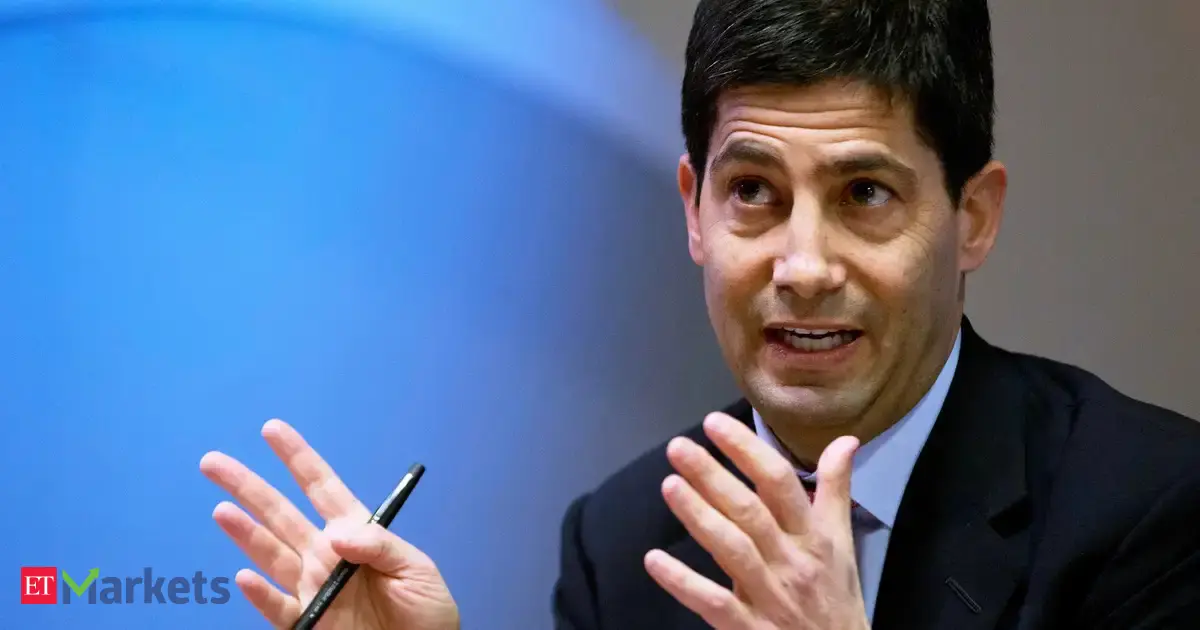

 3 sources
Morning Edition · Saturday, August 1, 2026Published at 1:15 AM EDT · New York
Warsh's Inflation Warnings Push 30-Year Treasury Yield Above 5.2 Percent as Fed Split Widens
The price measure the Fed watches most closely eased to 3.7 percent in June, yet long-term borrowing costs climbed even as governors openly discuss a rate increase.
Kevin Warsh, the chair of the Federal Reserve, has unsettled the bond market by repeatedly stressing the need to bring inflation down while giving no guidance on when, or whether, the central bank will act. Yields on the 30-year US Treasury bond have risen above 5.2 percent, a level reporting describes as the highest in about 19 years. Analysts quoted in that coverage called the move a warning from investors who doubt the Fed can hold prices to its 2 percent target.
The problem is that the incoming data suggest the opposite. The inflation gauge the Fed tracks most closely (the personal consumption expenditures, or PCE, price index) eased to 3.7 percent in June from 4.1 percent in May, and the core reading that strips out food and energy slipped to 3.3 percent. Softening inflation would normally argue for patience. Yet Fed governors Christopher Waller and Lisa Cook have both signaled they may call for higher rates if progress stalls, and Warsh has hinted the inflation objective itself could be redefined.
The disagreement matters because long yields are rising even without a policy move. That points to a market repricing the extra yield investors demand to hold long-term government debt (the term premium), rather than simply anticipating the next decision. The coming week brings United States employment data that will shape those expectations further. The late-August gathering of central bankers in Jackson Hole, Wyoming, is the next venue where Warsh could preview the September meeting.
From a sound-money perspective, the episode exposes the cost of a decade of credit expansion. When a central bank has held the entire structure of interest rates below the real cost of capital, the return of positive real yields forces a repricing of every asset that was valued against cheap money. That adjustment appears first in the longest-dated bonds, where the price sensitivity to rate changes is greatest.
Part of a tracked trend
Renewed Fed Tightening Fears Rattle Global Markets
Over the next 3-6 months stronger US data revives expectations of Fed rate hikes, driving a firmer dollar, equity selloffs in export-heavy markets, and pressure on hard assets as the IMF warns of recurring economic shocks.
What this means
A 30-year yield above 5.2 percent lifts the discount rate on every long-duration asset, from technology equities to real estate to government financing costs, and it does so even before any rate decision. The exposed parties are leveraged borrowers, holders of long bonds facing price losses, and a Treasury that must refinance a large debt stock at higher coupons. If Warsh signals a hike, the dollar strengthens and export-sensitive equities weaken. If he signals patience while inflation reaccelerates, real yields fall and hard assets gain. The deciding variable is whether core PCE keeps falling toward 2 percent or stalls near 3.3 percent.
What to watch
- The August employment report and the next PCE release, because a reacceleration in either would strengthen the case the hawkish governors are making for an increase.
- Warsh's language at Jackson Hole, specifically whether he reaffirms the 2 percent target or suggests a higher tolerance, which would tell markets how much inflation the Fed is willing to accept.
- The 30-year yield itself and demand at upcoming long-bond auctions. A weak auction would signal investors want still more compensation to fund the government.
Observations to monitor, not financial advice.
Synthesized from: Economic Times · Economic Times (World market themes) · Reuters via Kitco
Townsquare
Start a discussion in Townsquare.
More from this edition
- White House Signals Trump Weighing New Iran Strikes After Guard Hits Two More Tankers Near Hormuz
- Apple Set to Shed Close to 500 Billion Dollars as Amazon Jumps on Cloud Growth
- Russian Missiles Kill Civilians in Kyiv as Zelensky Presses Trump for Patriot Systems
- South Korea's Won Gains More Than 8 Percent Against the Dollar in a Month
- Pentagon Requests 18.2 Billion Dollars to Rebuild Interceptor-Missile Stocks
- Bloomberg Again Delays India's Entry Into Its Global Bond Index
- France and Italy Tighten Borders After 60,000 Migrants Cross Into Spain's Ceuta
- Aluminium Rebounds as Tight Inventories and Energy Risks Point Higher
Comments
0No comments yet.