← The Global Intelligence Brief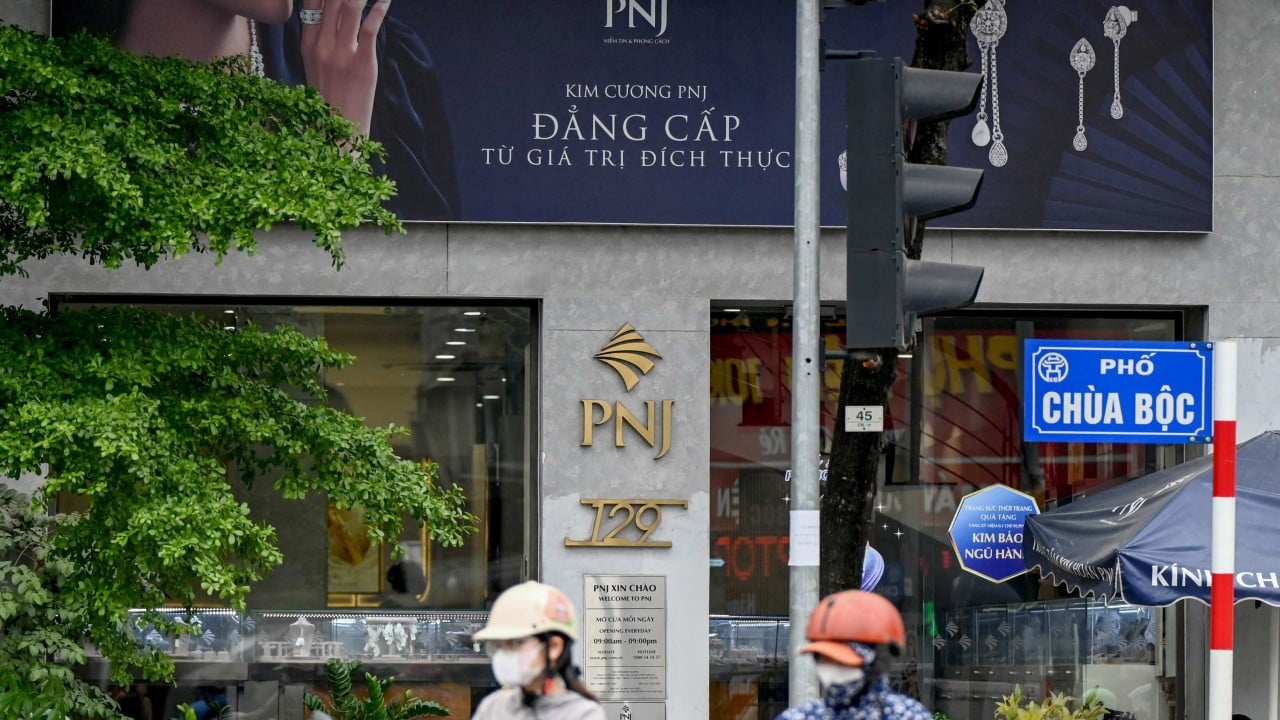

 2 sources
Morning Edition · Monday, August 3, 2026Published at 1:17 AM EDT · New York
A Smuggling Bust Freezes Vietnam's Diamond Trade and Shakes Buyer Trust
Investigators allege more than 30,000 stones worth about $57 million entered the country illegally, leaving customers unsure their gems are genuine.
Vietnam's jewellery trade has slowed sharply after authorities broke up an alleged smuggling ring, with buyers now clutching old receipts and certificates and trying to sell diamonds they no longer trust, according to the South China Morning Post. In Ho Chi Minh City's jewellery quarter, customers have stopped browsing for engagement rings and are instead seeking to verify or sell their stones.
Investigators allege that more than 30,000 stones worth over 1.5 trillion dong, about $57 million, were brought into the country over the past two years, The Japan Times reported. The discovery has raised doubts about the origin and authenticity of gems bought in good faith, and the uncertainty alone has halted normal trade.
The episode illustrates a larger principle. An asset is only worth what buyers trust it to be, and diamonds depend heavily on certification and documented origin rather than any easily verified physical property. When that trust breaks, the market for the asset can stop functioning even if individual stones are genuine.
The contrast with monetary metals is instructive. Gold and silver can be tested for purity by objective assay, which is part of why they have served as money for thousands of years, while a diamond's value rests on grading and documentation that a scandal can quickly undermine.
What this means
The freeze shows that a store of value dependent on certification loses its liquidity the moment trust in the paperwork fails, a risk that objectively testable assets like gold and silver do not share. Vietnamese jewellers and diamond holders lose as trade halts and resale values fall, while the episode reinforces why buyers seeking a durable store of value move toward assets whose authenticity can be verified without a certificate. The channel is confidence, which for assets based on documented origin is the whole of their liquidity.
What to watch
- Whether Vietnamese authorities establish a trusted re-certification process, because restoring verifiable origin is the only thing that can restore normal trade.
- Any spread to regional diamond hubs, which would signal that trust in gem certification is eroding beyond Vietnam.
Observations to monitor, not financial advice.
Synthesized from: South China Morning Post · The Japan Times
Townsquare
Start a discussion in Townsquare.
More from this edition
- Trump Halts Iran Strike and Sets Monday Talks on Hormuz, and Oil Falls Nearly 5%
- Warsh Holds Rates, and the 30-Year Treasury Yield Climbs Above 5.2%
- Japan and the United States Intervene Jointly to Support the Yen for the First Time Since 2011
- US Senate Reaches Stopgap Funding Deal as Bond Markets Tolerate Rising Deficits
- Ukraine and Russia Widen Strikes, Killing at Least 14 as Attacks Reach Russian Logistics
- US Business Groups Warn a Ban on Chinese AI Models Could Cost $12 Billion a Year
- Lula Launches Reelection Bid in Brazil Amid Foreign-Interference Concerns
- Cuba Suffers Another Nationwide Blackout as US Fuel Restrictions Bite
Comments
0No comments yet.