← The Global Intelligence Brief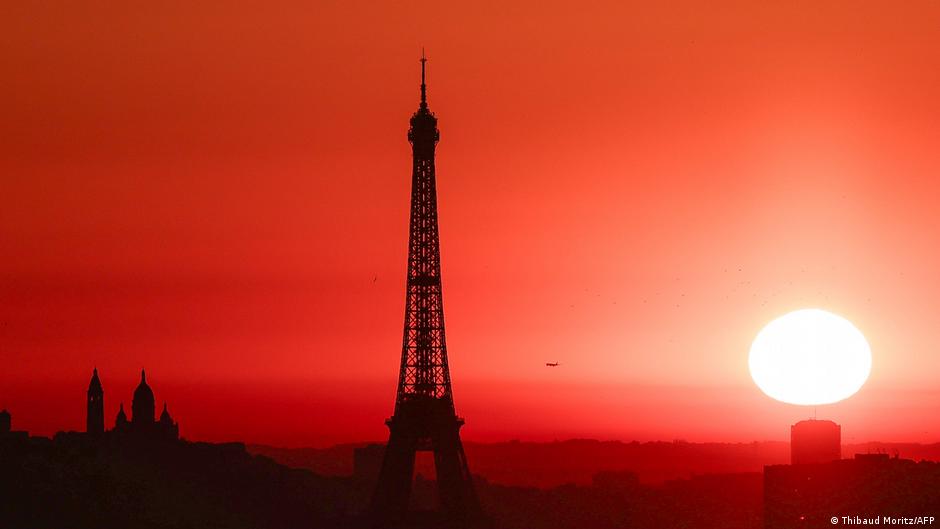


 3 sources
Morning Edition · Monday, August 10, 2026Published at 1:10 AM EDT · New York
Copernicus Records Western Europe's Hottest June and July as Rivers Run Low
The Po in northern Italy has fallen far enough that farmers are considering abandoning water-intensive crops, and July's average sea surface temperature across the ice-free oceans was unusually high.
Western Europe recorded its hottest June and July on record, according to the European Union's Copernicus climate service, reported by Deutsche Welle. Drought now covers large parts of the continent, soils are unusually dry and major rivers are running low. A strengthening El Niño could raise global temperatures further later this year.
Euronews reported the same monitoring data alongside a second measurement: last month produced the highest average July sea surface temperature ever recorded across the extra-polar oceans, meaning the oceans outside the seasonal sea-ice zone.
The economic consequences are clearest on the Po, Italy's longest river and the water supply for the agricultural plain that produces much of the country's rice, maize and dairy feed. The Japan Times reported that the river's swings between flood and drought are pushing farmers to weigh switching to crops that need less water, while industry, agriculture and hydropower compete for a resource they previously treated as abundant.
Heat of this kind operates on European output through several channels at once. It reduces the cooling capacity of thermal and nuclear plants, limits barge loads on inland waterways, cuts labour productivity in construction and agriculture, and raises electricity demand at the moment supply is constrained.
What this means
Low rivers and high temperatures raise costs for European power generators, inland shipping operators and food processors in the same season, and those costs reach consumers through electricity tariffs and food prices. Italian and German industry along the Po and the Rhine are the most directly exposed, and a repeat next summer would move this from an annual disruption into a permanent input cost that firms must design around.
What to watch
- Water levels on the Rhine and the Po through late August, since barge restrictions raise freight costs for chemicals, coal and grain within days of a drop.
- European electricity prices during the next heat episode, which show how much generation capacity is actually being lost to cooling limits.
- Whether El Niño strengthens as Copernicus suggests, because that would extend the heat into the autumn harvest.
Observations to monitor, not financial advice.
Synthesized from: Deutsche Welle · Euronews · The Japan Times
Townsquare
Start a discussion in Townsquare.
More from this edition
- Brent Closes at $87.69 After Houthi Drone Strike on Saudi Refinery Compounds the Hormuz Closure
- Asian Shares Advance With Tokyo Leading as Traders Wait on United States Inflation Data
- Bitcoin Holds Above $65,000 While XRP Falls, and Gold Recovers Toward $4,360
- Washington Shifts From Strikes to Sanctions and Blockade in Its Campaign Against Iran
- China Opens a Regular Arctic Container Route to Europe as Chokepoint Risk Rises
- Investigation Says Uranium Left Congo Inside Cobalt Shipments Bound for China
- German Economy Minister Says the Rise of the AfD Could Deter Investors
- Typhoon Dolphin Grounds Nearly 40 Percent of Shanghai Flights as Fires Spread in Indonesia
Comments
0No comments yet.