← The Global Intelligence Brief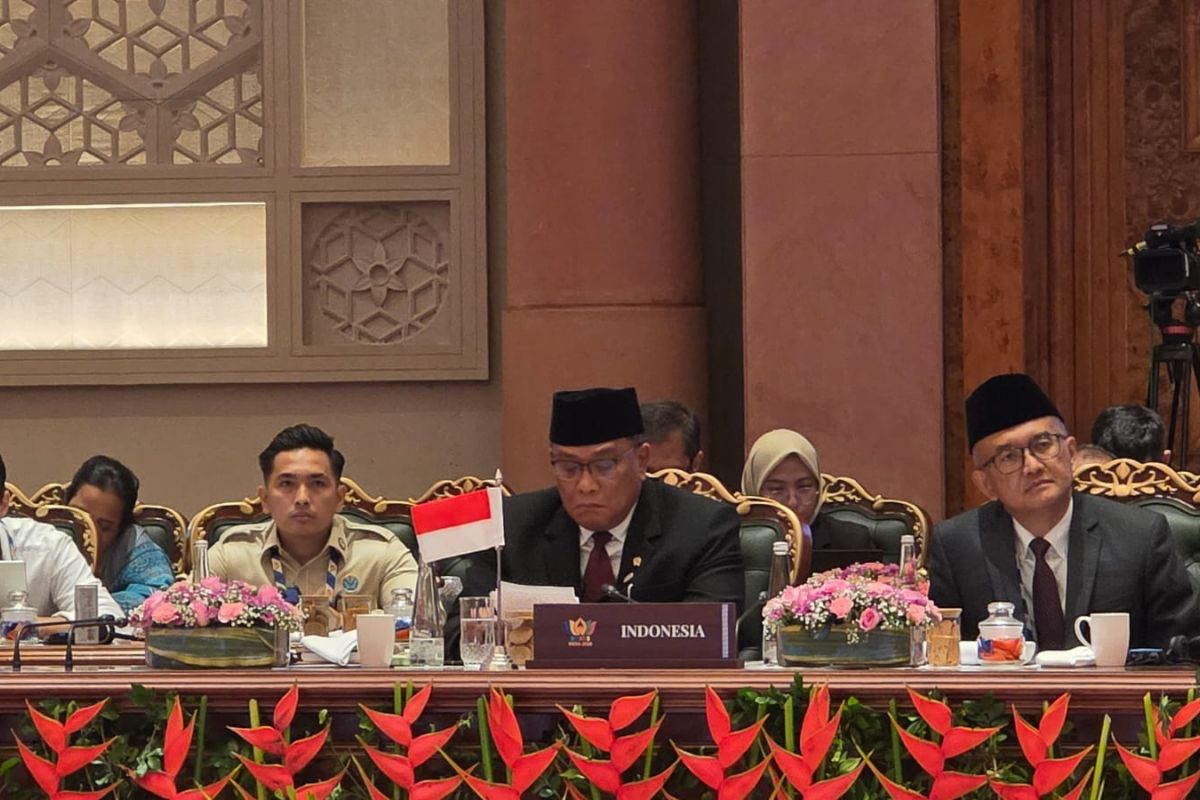
Morning Edition · Wednesday, August 19, 2026Published at 1:15 AM EDT · New York
BRICS States Condemn the European Union's Carbon Border Tax as a Trade Barrier
Environment ministers from the bloc called the mechanism protectionist and demanded a large increase in adaptation finance for developing countries.
Environment ministers of the BRICS group condemned the European Union's Carbon Border Adjustment Mechanism (CBAM), a levy on imports of emissions-intensive goods, and called for a substantial increase in international funding to help developing countries adapt to climate change, The Hindu reported.
The mechanism applies carbon-linked charges to imported steel, cement, fertiliser and aluminium. Brussels presents it as a way to stop European producers from being undercut by manufacturers in countries with weaker carbon pricing. The BRICS position, argued through the United Nations Framework Convention on Climate Change's principle of common but differentiated responsibilities, is that the levy shifts the cost of European climate policy onto developing-country exporters that contributed the least to the emissions now in the atmosphere.
At the same forum, Indonesian Environment Minister Moh Jumhur Hidayat pressed for collective responsibility on climate action, a framing that puts the emphasis on transfers to affected countries rather than on trade restrictions imposed by importers.
The dispute itself is not new, but the timing now is. The carbon charges take effect on physical goods in 2026, converting a long-running diplomatic argument into a measurable cost on specific shipments. The United States ambassador to the European Union has separately called the mechanism protectionist, and Brussels has publicly defended it. A tariff justified by climate policy still functions as a tariff in its effect on trade flows, and the countries paying it are organizing a response.
Veracity: Corroborated
91/100- If true, who benefits
Emerging-market steel, aluminium, cement and fertiliser exporters gain from a coordinated challenge to the levy, while European producers and the European Union budget gain from the carbon-leakage justification that keeps it in place.
- The nuance
The 12th BRICS Environment Ministers' Meeting statement is a declaration with no World Trade Organisation filing behind it, and several BRICS members are themselves building domestic carbon pricing that would offset much of the charge, which both sides leave out.
An open-source-intelligence read of how likely this story is true with its real nuance, not a judgment of any outlet. It assesses the claim, weighing independent and adversarial reporting. How we label confidence.
What this means
The carbon border levy raises the landed cost of Indian, Chinese, Brazilian and South African steel, aluminium, cement and fertiliser sold into Europe, which either compresses exporter margins or redirects those goods toward Asian and African buyers. The exposed parties are emerging-market heavy industry and the European manufacturers who buy their output as inputs. Either the European Union offers concessions such as recognition of domestic carbon prices, or BRICS members retaliate through the World Trade Organisation and through their own import measures, which would fragment industrial trade further.
Townsquare
Start a discussion in Townsquare.
More from this edition
- Rising Bond Yields Drive Asian Chip Selloff as Traders Await Fed Minutes
- Trump Pauses 50% Tariffs on Canadian Goods for Three Days and Raises Keystone XL
- United Arab Emirates Cuts Off All Trade With Iran After Missiles Fall Near Shipping Lanes
- Moscow Absorbs Largest Drone Barrage in Two Years, With Ufa's Refineries Struck the Following Night
- Hong Kong Exchange Posts Record Quarterly Profit as the City Builds a Gold Settlement Platform
- Target Reports Earnings as Private Labels Take Share From American Consumer Brands
- United States and South Korea Cut Joint Drills in Half as Trump Pursues a Fourth Kim Summit
Comments
0No comments yet.