← The Global Intelligence Brief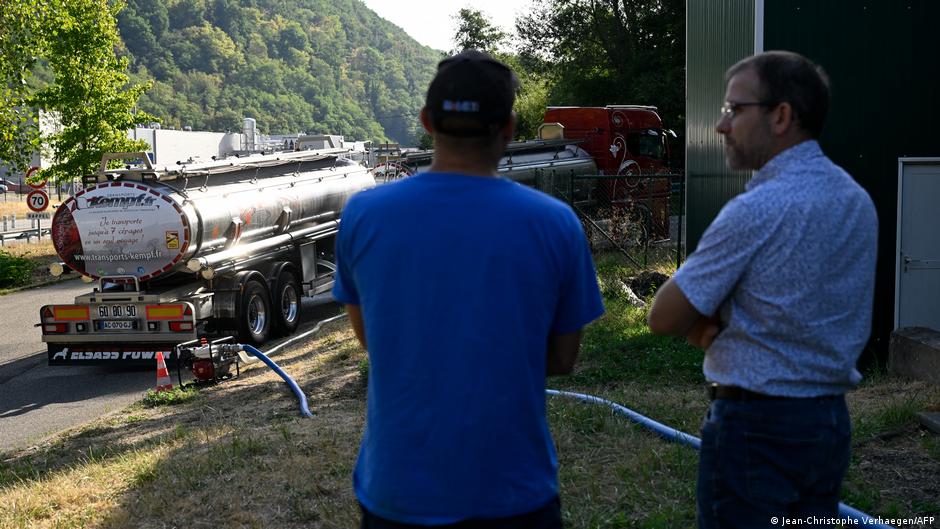

 2 sources
Morning Edition · Wednesday, August 19, 2026Published at 1:15 AM EDT · New York
France Trucks Drinking Water to Households as Indonesia Prepares for El Niño Fires
Regions of France that normally have abundant supply are now served by tankers, while Jakarta expands its fire response ahead of a dry season.
France is delivering drinking water by tanker to communities in regions that normally have plentiful supply, Deutsche Welle reported, after an extreme summer exposed how little of the country's water infrastructure was built for scarcity. The problem is distribution and storage rather than a single failed harvest, and the same gap exists across much of Europe.
In Indonesia, Forestry Minister Raja Juli Antoni said the National Disaster Management Agency is supporting an expanded response to forest and land fires as El Niño conditions raise the risk, Antara reported. Indonesian fire seasons have historically disrupted palm oil output and pushed haze across Malaysia and Singapore, which turns a domestic emergency into a regional trade and health issue.
Both cases show the same fiscal mechanism. Water trucking, firefighting aircraft and emergency deployments are unbudgeted operating expenses that arrive in the same months every year, and they crowd out the capital spending on storage, pipelines and firebreaks that would reduce the recurring cost. European water restrictions also affect industry directly, because thermal power generation, semiconductor fabrication, paper and chemicals all consume large volumes of process water.
Neither government has published a full cost estimate for this season.
What this means
Recurring drought and fire seasons convert climate risk into a fixed annual charge on public budgets and on the water-intensive industries that must curtail output when supplies fall. The exposed parties are European utilities and manufacturers facing abstraction limits, French agriculture, and Indonesian palm oil producers whose harvests and shipments are disrupted when fires spread. The recurring pattern is that emergency spending arrives first and infrastructure investment is deferred, which raises the cost of the following season.
What to watch
- Whether French water restrictions extend to industrial users, since curtailment of process water directly reduces output at power stations and chemical plants.
- Indonesian fire hotspot counts and any haze advisories in Malaysia and Singapore, which would signal disruption to palm oil supply and regional air travel.
- Whether European governments fund water storage and network repair in autumn budgets, because deferring that spending guarantees the same emergency costs next summer.
Observations to monitor, not financial advice.
Synthesized from: Deutsche Welle · Antara
Townsquare
Start a discussion in Townsquare.
More from this edition
- Rising Bond Yields Drive Asian Chip Selloff as Traders Await Fed Minutes
- Trump Pauses 50% Tariffs on Canadian Goods for Three Days and Raises Keystone XL
- United Arab Emirates Cuts Off All Trade With Iran After Missiles Fall Near Shipping Lanes
- Moscow Absorbs Largest Drone Barrage in Two Years, With Ufa's Refineries Struck the Following Night
- Hong Kong Exchange Posts Record Quarterly Profit as the City Builds a Gold Settlement Platform
- Target Reports Earnings as Private Labels Take Share From American Consumer Brands
- BRICS States Condemn the European Union's Carbon Border Tax as a Trade Barrier
Comments
0No comments yet.