← The Global Intelligence Brief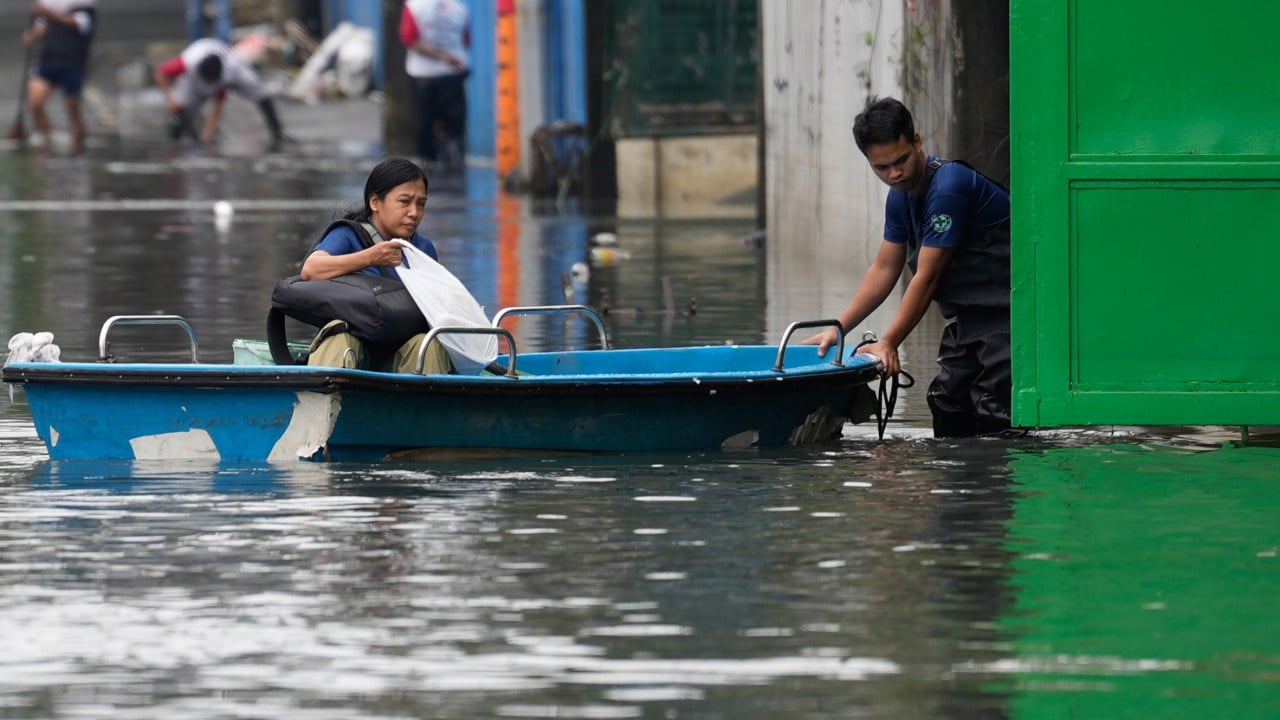

 3 sources
Morning Edition · Friday, August 21, 2026Published at 1:19 AM EDT · New York
Manila's Flood-Control Corruption Scandal Returns With the Monsoon
Anger over allegedly fraudulent drainage contracts has resurfaced after fresh flooding in Luzon, while Indonesia airlifts relief to an earthquake zone and Mount Semeru erupts again.
Flooding across Metro Manila and parts of Luzon has revived public anger over Philippine flood-control projects that investigators allege were billed but never properly built, turning a seasonal disaster into a test of accountability for President Ferdinand Marcos Jr., according to the South China Morning Post. The pattern is specific and measurable: public money appropriated for drainage infrastructure, contracts awarded, and water in the streets at the next monsoon.
Indonesia is managing two events at once. The National Disaster Mitigation Agency (BNPB) received tens of tons of relief supplies from the Indonesian Air Force and the Jakarta administration for earthquake-hit East Nusa Tenggara, Antara reported. The governor of East Nusa Tenggara, Emanuel Melkiades Laka Lena, publicly thanked the neighboring provinces of West Nusa Tenggara and Bali for their assistance. Separately, Mount Semeru erupted on Friday morning, sending an ash column 800 meters above the summit on the border of the Lumajang and Malang districts in East Java.
The contrast between the two countries is the point. Both countries face the same geography of typhoons, earthquakes and volcanoes. What differs is whether the money allocated to withstand them produces functioning infrastructure. In the Philippines, the gap between appropriation and outcome has become a political liability that voters can see directly in their own neighborhoods.
Part of a tracked trend
Disasters as Political and Supply Shocks
Major natural disasters in commodity-producing states translate into political instability and supply disruptions that markets increasingly have to price, recurring as climate and geological shocks hit fragile economies.
Veracity: Corroborated
88/100- If true, who benefits
Opposition politicians and prosecutors gain from renewed public anger, and firms outside the contested contracts gain if procurement shifts, while the framing puts pressure on President Ferdinand Marcos Jr. at the point where his own allies are implicated.
- The nuance
The scandal and the flooding are documented, including 201.7 millimeters of rain in five hours in Metro Manila and 45 people already facing charges with 6,692 accounts frozen, so the article understates enforcement to date, and no engineering finding yet establishes that the specific unbuilt projects would have prevented this particular flood.
An open-source-intelligence read of how likely this story is true with its real nuance, not a judgment of any outlet. It assesses the claim, weighing independent and adversarial reporting. How we label confidence.
What this means
Disaster response quality is a direct input to sovereign risk in Southeast Asia, because repeated infrastructure failure means repeated emergency spending outside the budget and a higher probability of political disruption. Philippine construction firms tied to the contested contracts face investigation risk, and the government faces pressure to redirect capital spending toward verifiable projects, which slows disbursement. Indonesian aviation and tourism absorb the immediate cost of Semeru's ash, since ash plumes force route diversions.
Synthesized from: South China Morning Post · Antara · Antara
Townsquare
Start a discussion in Townsquare.
More from this edition
- Treasury's Bigger Bond Buybacks Fail to Hold Down Long-Term Yields
- Washington Promises Its Harshest Iran Sanctions Yet as Brent Crude Settles Near $94
- Gold Holds Above $4,500 and Silver Tops $68 as Investors Doubt the Long End of the Bond Market
- Panama Canal Cuts Daily Transits and Pirates Seize an Arms Ship off Somalia
- China Expands Patrols East of Taiwan While Russia Test-Fires Missiles Near Islands Japan Claims
- Ukraine Asks Musk to Unlock Starlink for Strikes 200 Kilometers Inside Russia
- Hong Kong Court Convicts Two Tiananmen Vigil Organizers of Inciting Subversion
- North Korea's Economy Is Growing on the Proceeds of Supplying Russia's War
Comments
0No comments yet.