← The Global Intelligence Brief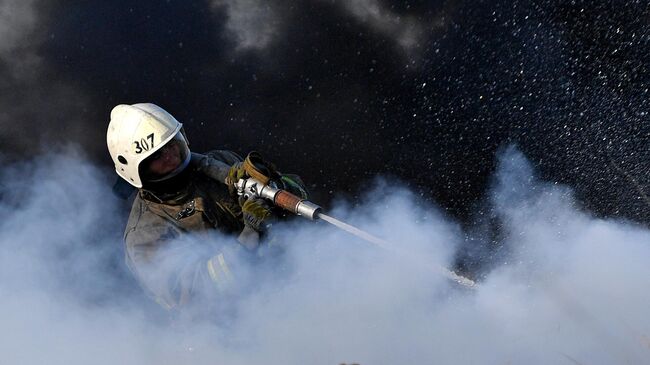

 3 sources
Morning Edition · Saturday, August 22, 2026UpdatedPublished at 7:36 AM EDT · New York
Drones Strike an Ozon Warehouse and Industrial Plant in Russia's Samara Region
Ukraine's military confirmed striking a Rosneft oil refinery in the same overnight wave that hit the Ozon warehouse, and Reuters reported at least six people killed across Russia, even as the marketplace operator said its wider logistics network continues to run normally.
Updated at 7:36 AM EDT
Ukraine's General Staff confirmed striking the Novokuibyshevsk refinery in the same wave of attacks, and wire agencies reported at least six people killed overnight, updating the morning account, which had no confirmed claim of responsibility and no reported deaths.
Samara region governor Vyacheslav Fedorishchev said a large drone attack early on Saturday damaged an industrial enterprise in the region and struck a logistics complex belonging to the online marketplace Ozon. Kommersant reported damage at the industrial site and a confirmed hit on the Ozon facility. Ukraine's General Staff later said its forces had struck the industrial site directly, identifying it as the Novokuibyshevsk oil refinery, a Rosneft-owned plant with a processing capacity of about 8.8 million tonnes of oil a year, and Ukrainian and Russian reports both described a resulting fire at the site.
RIA Novosti reported that a fire broke out at the warehouse and that operations there were halted. The same agency then reported the company's statement that Ozon's logistics network is functioning normally and that deliveries would be redirected through other sites, even as the Chapaevsk facility itself, reported to cover about 135,000 square meters, remained shut. Reuters reported that the overnight wave of strikes killed at least six people across Russia, while Fedorishchev said separately that several people were wounded in the Samara region strikes without specifying numbers or locations. Ukraine's confirmation of the refinery strike updates the morning picture, in which no claim of responsibility had been published for the attack.
Samara sits roughly 850 kilometers east of the Ukrainian border, along the Volga. The choice of the Ozon warehouse as a target matters as much as the distance. Russian oil refineries have been struck repeatedly over the course of the war, but Ukrainian and Russian reports both describe this strike as the first time Ozon itself, rather than only its larger rival Wildberries, has been hit. A commercial fulfillment center is not a refinery or a military depot, and striking one shifts the cost of the war onto civilian logistics, warehouse insurance and the price of moving consumer goods inside Russia.
The two Russian accounts published within minutes of each other, one confirming a fire and a shutdown and the other stating normal operations, show how quickly the commercial framing follows the security incident. Both can be true. A single warehouse can be damaged while the rest of the distribution system continues operating, and the added cost shows up later in freight rates and insurance premiums rather than in the day's delivery figures.
Part of a tracked trend
The War Reaches Russia's Interior
The Ukraine war increasingly manifests inside Russia through drone strikes and attacks on soft targets far from the front, steadily raising the country's domestic risk premium and internal-security costs.
Veracity: Corroborated
88/100- If true, who benefits
Kyiv gains by raising the domestic economic cost of the war deep inside Russia, and Moscow's regional authorities gain from a framing that emphasizes dozens of drones intercepted rather than the damage that landed.
- The nuance
Russian outlets confirm the strike on the Ozon logistics complex, more than 500 workers evacuated and casualties, but no party has claimed responsibility for this specific strike, and Ozon's statement that its network runs normally sits alongside reports of a fire and a halted site without either side publishing damage figures.
An open-source-intelligence read of how likely this story is true with its real nuance, not a judgment of any outlet. It assesses the claim, weighing independent and adversarial reporting. How we label confidence.
What this means
Russian consumer logistics now carry a war risk that was previously confined to energy and defence infrastructure, and that risk shows up in warehouse insurance costs, replacement capital spending and freight rerouting rather than in headline damage figures. Ozon and its competitors bear the cost first, and domestic consumer prices reflect it second. For anyone modelling Russian inflation, the relevant variable is no longer only sanctions and the ruble but the internal cost of moving goods.
Synthesized from: Kommersant · RIA Novosti · RIA Novosti
Townsquare
Start a discussion in Townsquare.
More from this edition
- Treasury's Doubled Bond Buybacks Fail to Hold Down Long-Dated Yields
- United States Imposes 50 Percent Tariffs on 20 Billion Dollars of Canadian Goods
- Japan Raises Its Budget Interest Assumption to 3.8 Percent, Highest Since 1998
- Gold Closes Near 4,607 Dollars as Bitcoin Adds Roughly 20 Percent in a Week
- Qatar Cuts State Spending at Home and Abroad as the Hormuz Conflict Shrinks Its Economy
- India's Entry to the Bloomberg Global Aggregate Bond Index Stalls on Market Access
- Sanctioned ICC President Warns of the Demise of International Rule of Law
- China's Foreign Minister Leaves Seoul Without Backing Its Push for Multiparty Peace Talks
Comments
0No comments yet.