← The Global Intelligence Brief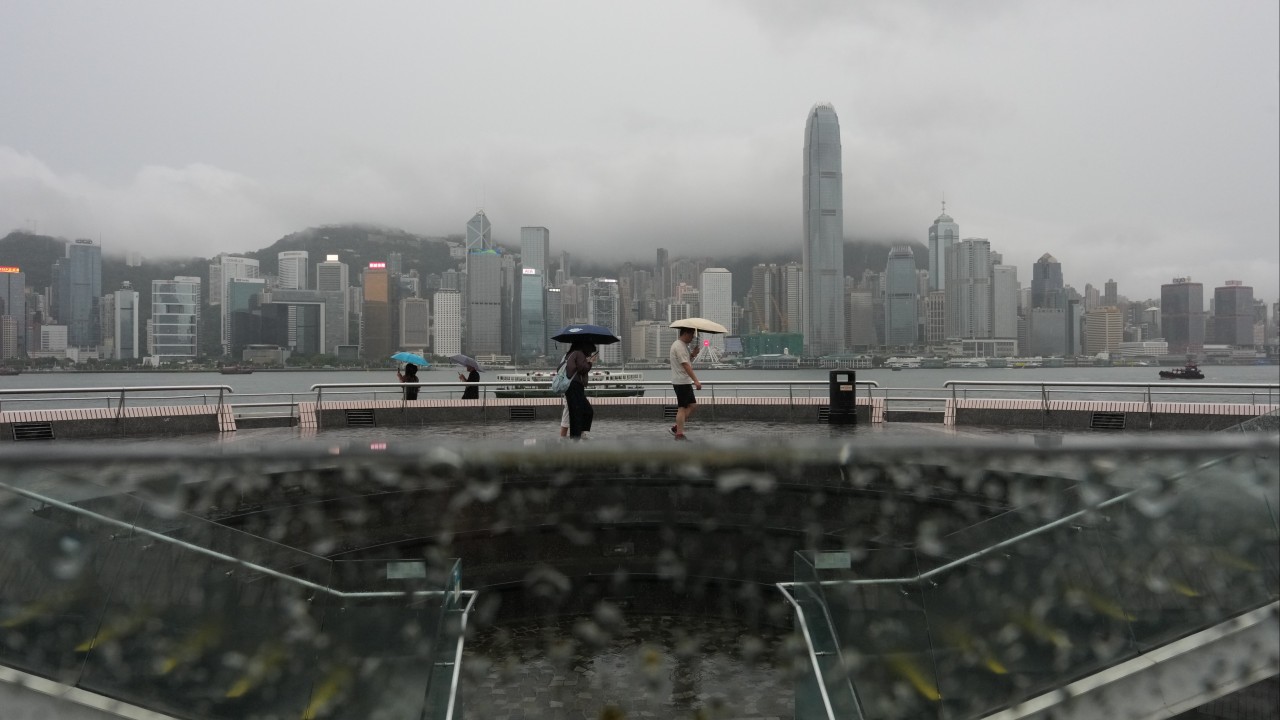


 3 sources
Morning Edition · Saturday, August 22, 2026Published at 1:09 AM EDT · New York
Tropical Storm Narra Approaches Guangdong as Philippine Flood Money Comes Under Scrutiny
Hong Kong's forecaster will decide next week whether to issue a typhoon warning, while Pakistan's meteorological service warned of fresh flooding with the Tarbela reservoir already at full capacity.
The Hong Kong Observatory said on Saturday it will assess next week whether to issue a typhoon warning as Tropical Storm Narra moves toward the western Guangdong coast. Guangdong is the manufacturing and port base for a large share of China's exports, and warning signals there suspend cargo handling and factory shifts before any wind arrives.
In the northern Philippines, communities still under water are demanding an accounting of the money allocated to flood control, Al Jazeera reports. That question turns a weather event into a governance problem, because the flood defences were budgeted and the water arrived anyway.
Pakistan's meteorological department forecast a fresh spell of rain across the country's upper regions and flagged the risk of urban flooding, flash floods and landslides. Dawn reports that the Indus is running at moderate flood level at Kalabagh and that the Tarbela reservoir has reached full capacity, which removes the buffer that absorbs the next surge.
Three countries, one pattern. The physical event is weather. The economic damage depends on whether the infrastructure meant to absorb it was built, maintained and correctly sized, and in each case that question is now political.
Part of a tracked trend
Disasters as Political and Supply Shocks
Major natural disasters in commodity-producing states translate into political instability and supply disruptions that markets increasingly have to price, recurring as climate and geological shocks hit fragile economies.
Veracity: Corroborated
88/100- If true, who benefits
Philippine legislators and contractors implicated in flood-control spending gain from attention staying on the weather, and shipping lines gain pricing power from any Guangdong port suspension.
- The nuance
Each element checks out separately, including the Hong Kong Observatory's decision to assess a warning next week and a Philippine flood-control corruption inquiry that predates this monsoon by more than a year, but the three countries are joined by the writer's analytical framing rather than by any shared cause, and no audit has yet tied specific unbuilt defences to the current flooding.
An open-source-intelligence read of how likely this story is true with its real nuance, not a judgment of any outlet. It assesses the claim, weighing independent and adversarial reporting. How we label confidence.
What this means
Guangdong port closures interrupt the same electronics and consumer goods supply chains that feed North American and European inventories, with a delay of one to three weeks before the effect appears in shipping rates. In the Philippines and Pakistan, the losses fall on public budgets and household balance sheets rather than on insurers, because flood cover is thin in both countries. The recurring result is that governments issue debt to rebuild assets that were already paid for once.
Synthesized from: South China Morning Post · Al Jazeera · Dawn
Townsquare
Start a discussion in Townsquare.
More from this edition
- Treasury's Doubled Bond Buybacks Fail to Hold Down Long-Dated Yields
- United States Imposes 50 Percent Tariffs on 20 Billion Dollars of Canadian Goods
- Japan Raises Its Budget Interest Assumption to 3.8 Percent, Highest Since 1998
- Gold Closes Near 4,607 Dollars as Bitcoin Adds Roughly 20 Percent in a Week
- Qatar Cuts State Spending at Home and Abroad as the Hormuz Conflict Shrinks Its Economy
- Drones Strike an Ozon Warehouse and Industrial Plant in Russia's Samara Region
- India's Entry to the Bloomberg Global Aggregate Bond Index Stalls on Market Access
- Sanctioned ICC President Warns of the Demise of International Rule of Law
Comments
0No comments yet.