← The Global Intelligence Brief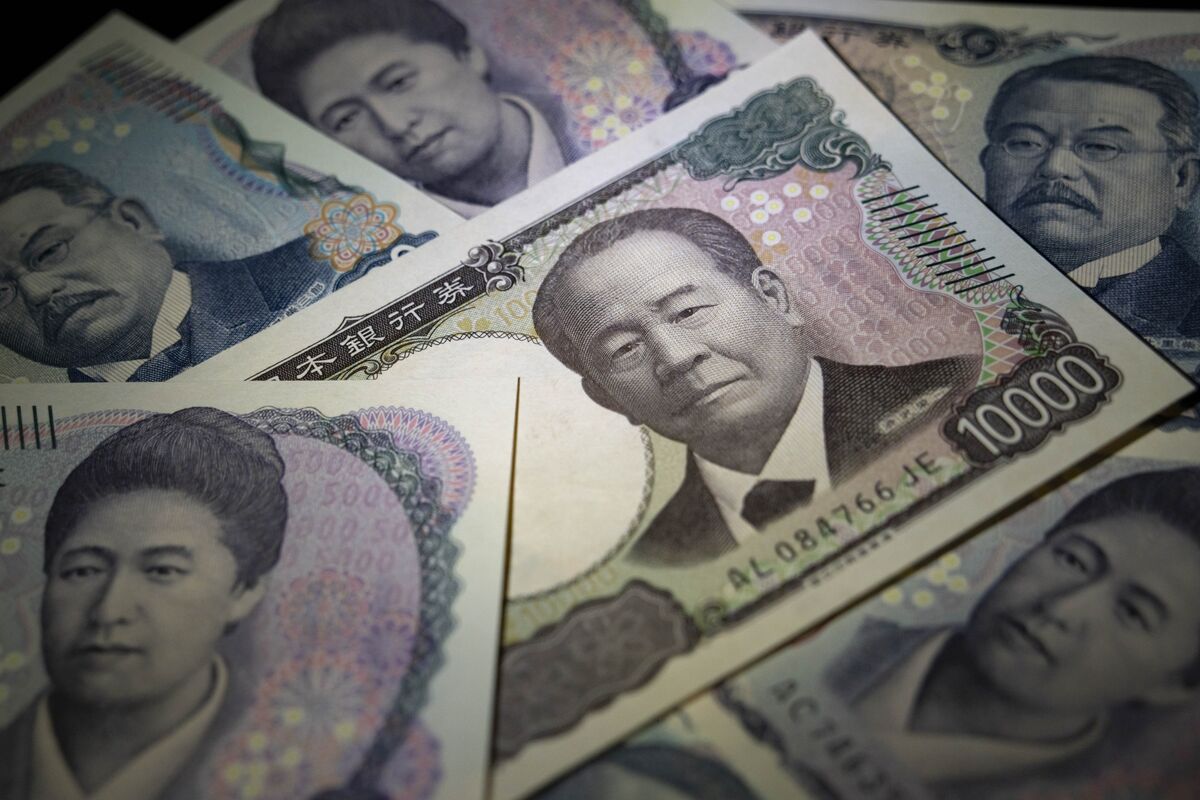


 3 sources
Morning Edition · Monday, August 31, 2026Published at 1:19 AM EDT · New York
The Yen Breaks Through 160 to the Dollar, Reviving Intervention Expectations
Japan has already unwound more than half the gains from a joint yen-buying operation with Washington earlier this month.
The yen weakened past 160 to the dollar on Monday, a level Japanese officials have treated as politically significant, according to Bloomberg. Strategists cited in the report identified 161 and the 162 to 163 range as levels that could draw Japanese authorities back into the market.
The move retraces an unusual episode from earlier in the year. Japan's Ministry of Finance and the United States Treasury confirmed a rare coordinated intervention to halt the currency's slide to four-decade lows, and signaled willingness to act again. Within weeks the yen had given back more than half those gains, and CNBC examined why the operation failed to hold.
The reason is not mysterious. Intervention sells dollar reserves to buy yen, but it does not change the interest-rate gap that makes holding yen unattractive. Warsh's hawkish turn widened that gap again on Friday. As long as the Bank of Japan keeps policy rates far below United States rates, official yen buying treats the symptom, and traders know the ministry's reserves are finite while the rate differential is a standing incentive.
Part of a tracked trend
Managed Dollar, Managed Yen
As a strong dollar strains trading partners running looser monetary policy, governments increasingly resort to coordinated currency intervention that treats the symptom rather than the interest-rate divergence causing it, so these operations recur as long as the imbalance persists.
What this means
A weaker yen raises the cost of Japan's imported energy at the same moment Brent is rising, which feeds directly into Japanese consumer prices and household purchasing power. Japanese exporters gain on translated earnings, which is part of why the Nikkei's fall on Monday reflected Fed repricing rather than currency weakness. The losers are Japanese importers, domestic consumers and the Ministry of Finance itself, which spends reserves to slow a move that monetary policy divergence keeps reproducing.
What to watch
- Whether the Bank of Japan signals a policy rate increase, which is the only tool that addresses the rate gap rather than the exchange rate symptom.
- Verbal warnings from Japan's finance ministry, since the language officials use has reliably preceded actual operations.
- Whether the United States Treasury participates again, because unilateral Japanese action carries less market weight than the joint operation did.
Observations to monitor, not financial advice.
Synthesized from: Bloomberg · Al Jazeera · CNBC
Townsquare
Start a discussion in Townsquare.
More from this edition
- Warsh's Inflation Warning Pushes Traders Toward a September Rate Increase
- United States Strikes Larak Island and Iran Says It Hit Bases in Jordan and the Emirates
- Trump Announces a Venezuela Oil Arrangement With No Published Text
- Xi, Putin and Modi Gather in Bishkek for the Shanghai Cooperation Organisation's 25th Anniversary Summit
- Bitcoin Holds Near $78,000 Through the Iran Strikes as Gold Falls on Fed Repricing
- Nepal's Flood Toll Reaches 788 With Around 900 Hydropower Workers Missing
- G20 Finance Ministers Meet in Asheville With Growth and Debt on the American Agenda
- Cronos Halts Its Blockchain After an Estimated $75 Million Exploit at the Lending Protocol Tectonic
Comments
1Aug 31, 5:19 AM · edited
When intervention fails to hold a level, traders learn to position against the next operation, which compresses the durable price effect of successive rounds.