← The Global Intelligence Brief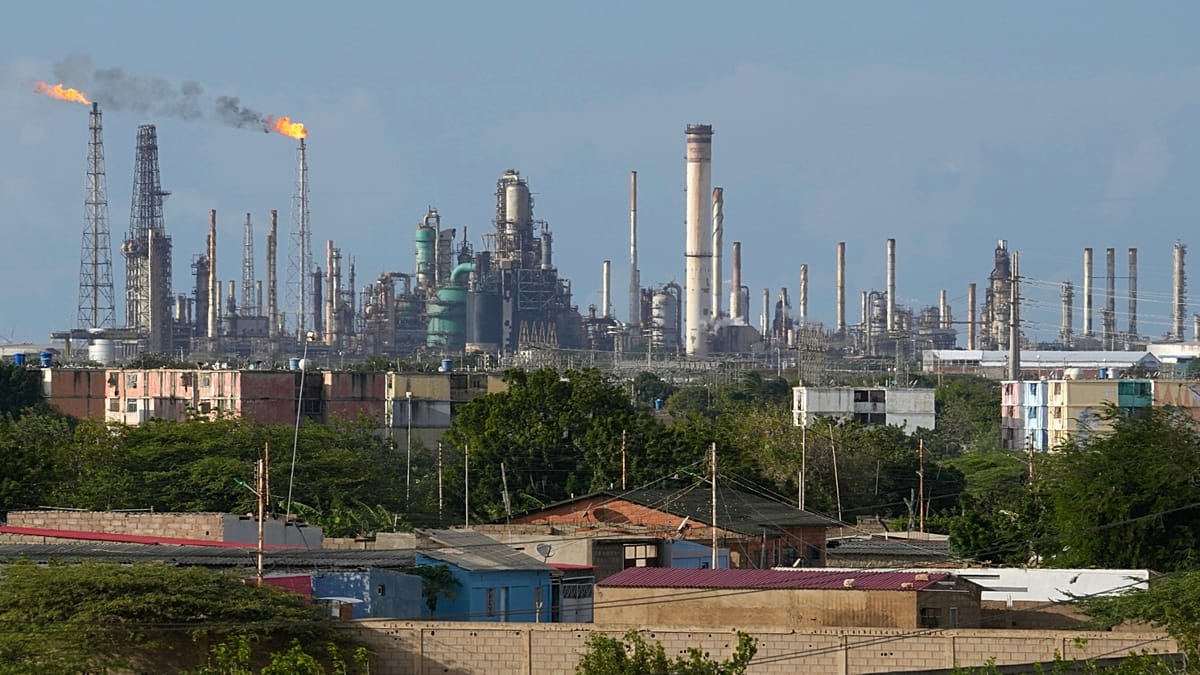


 3 sources
Morning Edition · Monday, August 31, 2026Published at 1:19 AM EDT · New York
Trump Announces a Venezuela Oil Arrangement With No Published Text
The White House says the deal covers 17 fields and more than 65 billion barrels of proven reserves, but has released no agreement and Chevron has declined to comment.
President Donald Trump announced on social media what he called the biggest oil deal in world history, an arrangement giving the United States majority control over Venezuelan reserves. NPR reported the claimed scope as more than 65 billion barrels of proven reserves across 17 fields, structured through a new private company in which American interests would hold 55% of effective output plus rights to buy crude at cost.
What the White House has not produced is the agreement itself. Euronews noted that beyond the president's post, the administration has said little, and Chevron, the only major American operator currently in Venezuela, declined to comment. Al Jazeera reported that Secretary of State Marco Rubio, Defense Secretary Pete Hegseth and Venezuela's acting president, Delcy Rodríguez, negotiated the terms.
The gap between announcement and documentation matters for pricing. Venezuelan reserves are large but heavy and expensive to lift, and the country's production has been constrained for a decade by underinvestment, sanctions and the state of Petróleos de Venezuela, the national oil company. Turning reserve estimates into barrels requires capital commitments that no company has yet confirmed. Securing legal title to output from a jurisdiction with a long history of nationalizing foreign assets is exactly the kind of risk that major oil companies have historically refused to fund without enforceable contracts.
Veracity: Corroborated
79/100- If true, who benefits
Trump gains a supply narrative that partially offsets the Hormuz premium, the Rodríguez government gains sanctions relief and legitimacy, and United States Gulf Coast refiners plus whichever operator eventually signs gain access to discounted heavy crude.
- The nuance
The two governments describe the same arrangement incompatibly, since Washington calls it majority American control while acting president Delcy Rodríguez says Venezuela keeps ownership and sovereignty under a 25-year term paying Caracas $19 a barrel, and former planning minister Ricardo Hausmann has called the deal unconstitutional on the grounds that an interim government cannot commit reserves for decades.
An open-source-intelligence read of how likely this story is true with its real nuance, not a judgment of any outlet. It assesses the claim, weighing independent and adversarial reporting. How we label confidence.
What this means
If barrels actually arrive, they arrive slowly and mostly as heavy crude, which suits United States Gulf Coast refiners configured for that grade and competes directly with Canadian and Mexican heavy supply. The near-term effect is on market sentiment rather than physical oil supply, and it partly offsets the Hormuz risk premium currently supporting Brent prices. The party most exposed is any investor treating the announcement as a supply forecast, because without published terms and a named operator committing capital, nothing in this changes 2026 or 2027 production.
Synthesized from: Euronews · Al Jazeera · NPR
Townsquare
Start a discussion in Townsquare.
More from this edition
- Warsh's Inflation Warning Pushes Traders Toward a September Rate Increase
- United States Strikes Larak Island and Iran Says It Hit Bases in Jordan and the Emirates
- The Yen Breaks Through 160 to the Dollar, Reviving Intervention Expectations
- Xi, Putin and Modi Gather in Bishkek for the Shanghai Cooperation Organisation's 25th Anniversary Summit
- Bitcoin Holds Near $78,000 Through the Iran Strikes as Gold Falls on Fed Repricing
- Nepal's Flood Toll Reaches 788 With Around 900 Hydropower Workers Missing
- G20 Finance Ministers Meet in Asheville With Growth and Debt on the American Agenda
Comments
1Aug 31, 5:19 AM · edited
Chevron is the only American company currently operating in Venezuela, so its refusal to comment suggests it was not a party to or has no confirmed role in the described new entity.