← The Global Intelligence Brief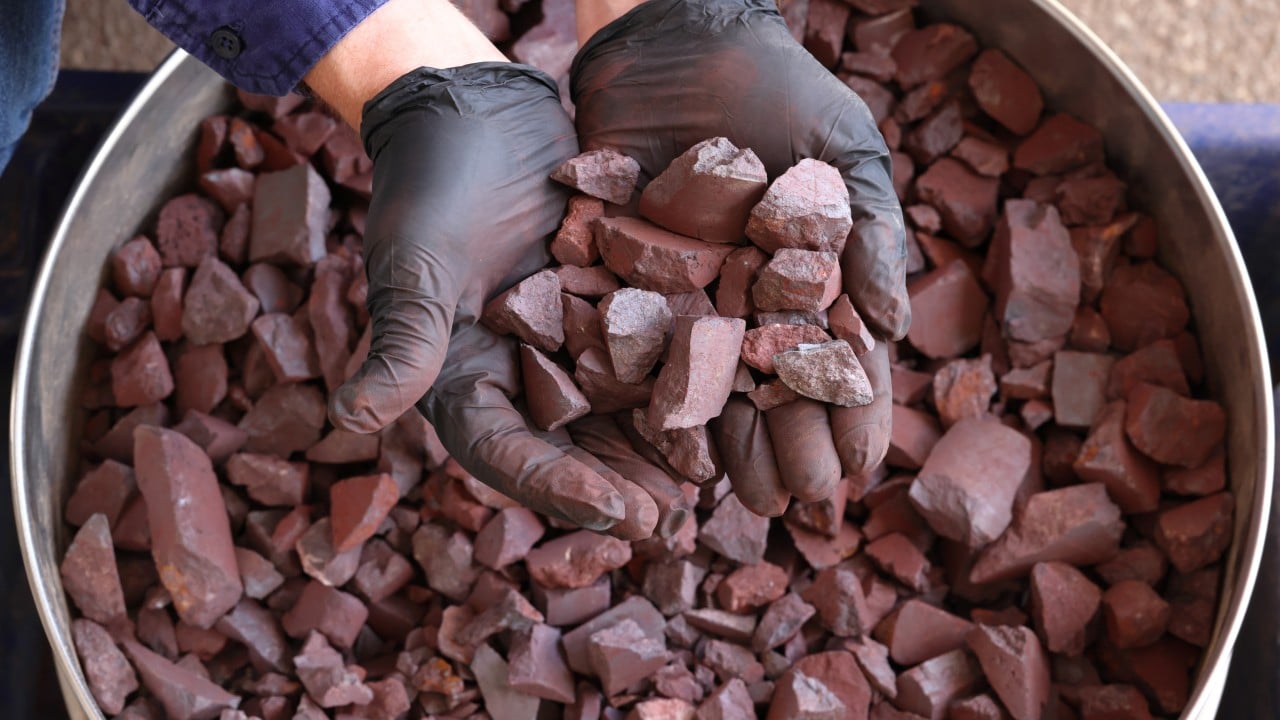


 3 sources
Morning Edition · Sunday, September 6, 2026Published at 1:26 AM EDT · New York
China Starts Pulling Iron From Mine Waste and Confirms Its Brahmaputra Mega-Dam
Two projects in the same five-year plan aim at the same objective, which is reducing dependence on resources China must import or share with neighbors.
China has commissioned an industrial-scale plant to extract iron from mine tailings and ultra-low-grade ore that producers previously discarded, the South China Morning Post reports, citing the Chinese Academy of Sciences and describing reserves that could meet domestic demand for decades. China imported 736.84 million tonnes of iron ore in the first seven months of 2026, up 6 percent on the year, and the 62 percent iron benchmark for delivery into China traded near $97.72 a tonne on September 2, according to Rio Times market data.
In parallel, Beijing will proceed with its hydropower project on the Yarlung Tsangpo, the river that becomes the Brahmaputra in India, The Hindu reports. The scheme sits in China's 15th Five-Year Plan for renewable energy. Indian officials have raised concerns about downstream flow and sediment, concerns that intensified after the recent flash flood on the Nepal-China border. Beijing describes the project as domestic infrastructure and says downstream effects will be limited.
Both projects follow the same logic. Iron ore is the largest single commodity import China cannot substitute domestically, and it comes overwhelmingly from Australia and Brazil, which are aligned with the United States or exposed to shipping lanes China does not control. Water flowing off the Tibetan plateau is a resource China holds upstream of India and Bangladesh. Cutting reliance on the first and developing the second are the same policy applied to different inputs.
Neither changes the market this quarter. Tailings processing at scale is expensive and energy-intensive, and even a large domestic recovery program replaces a modest share of a billion-tonne import habit. The signal matters more than the tonnage.
Veracity: Corroborated
85/100- If true, who benefits
Beijing gains leverage over Australian and Brazilian iron ore pricing from the announcement alone, well before any tonne is displaced, and Chinese state media gain a self-sufficiency story, while Indian officials and Arunachal Pradesh politicians gain domestic standing from amplifying downstream water risk.
- The nuance
The tailings plant is real and specific, with Xinhua reporting a 5.56 million tonne annual magnetization roasting line accepted at Anshan in Liaoning, but the decades-of-demand claim comes from the Chinese Academy of Sciences and describes reserves in the ground rather than economically recoverable output, against imports of roughly 737 million tonnes in seven months, so it is a resource statement presented as a supply statement, and on the dam the two sides make claims neither has substantiated publicly: Beijing says downstream effects will be limited, while an Indian government analysis reported by Reuters estimates dry-season flows could fall by as much as 85 percent under some conditions, with no shared hydrological data or treaty mechanism to adjudicate between them.
An open-source-intelligence read of how likely this story is true with its real nuance, not a judgment of any outlet. It assesses the claim, weighing independent and adversarial reporting. .
Synthesized from: South China Morning Post · The Hindu · Rio Times
Townsquare
Start a discussion in Townsquare.
More from this edition
- Hong Kong Imported Almost 100 Tonnes of Russian Gold in Seven Months, Nearly Triple a Year Earlier
- US Payrolls Beat Forecasts Threefold, Pushing Bets on a Federal Reserve Rate Increase Toward 60 Percent
- Iran Says It Will Declare an Exclusion Zone Reaching Into the Strait of Hormuz and Blacklist Ships That Enter It
- Russia Fired the War's Largest Aerial Barrage at Ukraine Inside the Pause Putin Announced for Trump's Envoys
- Saxony-Anhalt Votes With the AfD Polling Above 40 Percent, Far Ahead of the Governing CDU
- Bitcoin Fell Below $80,000 After the US Jobs Report While Gold Held Near $4,430
- LVMH Has Lost About a Third of Its Value This Year as Luxury Demand Cools
Comments
0No comments yet.