← The Global Intelligence Brief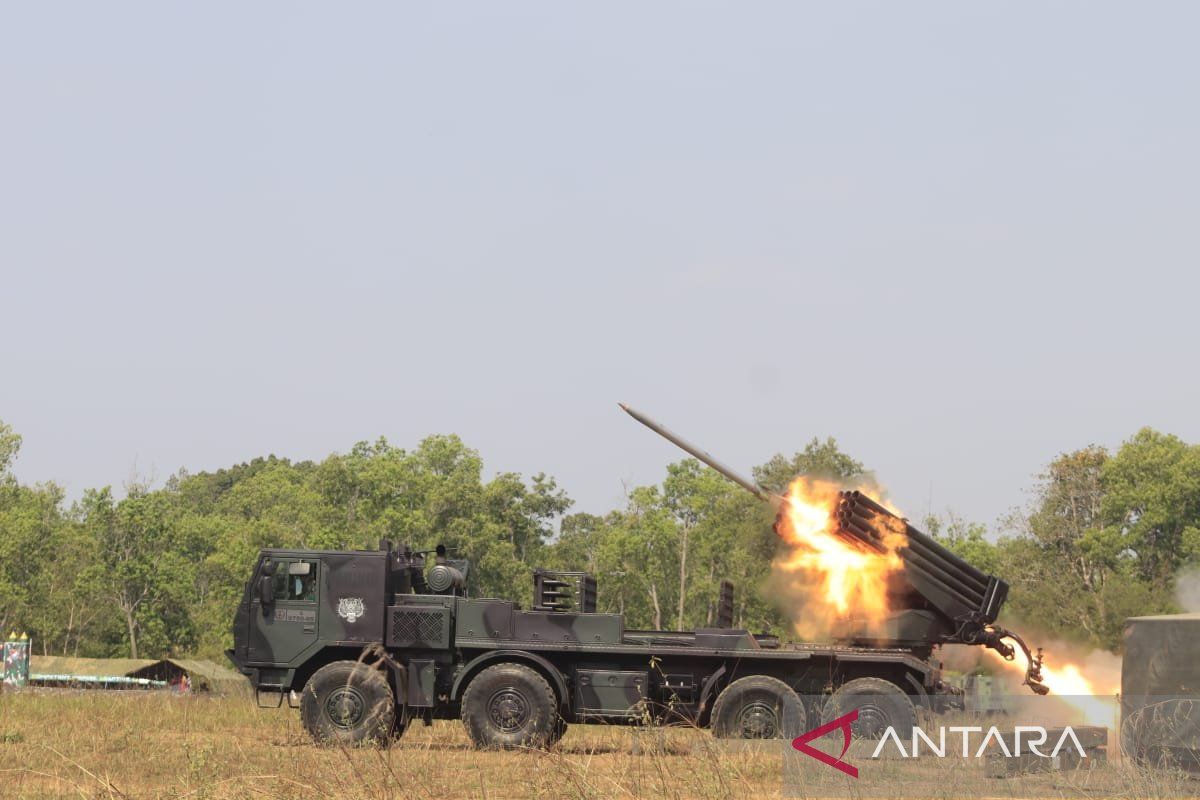


 3 sources
Morning Edition · Sunday, September 6, 2026Published at 1:26 AM EDT · New York
Japan Moves Into Warship Exports, a Market South Korea Has Spent Decades Building
Tokyo's push into overseas defense sales arrives as India prepares to buy Javelin anti-tank missiles and Indonesia fields new rocket artillery in a US-led exercise.
Japan's growing appetite for overseas sales of defense equipment will put it into markets South Korea has cultivated for decades, The Japan Times reports, with warships the most contested category. Tokyo relaxed its export rules in stages after 2014, and Japanese yards now compete for frigate and submarine programs against Korean builders who have won contracts in Europe, Southeast Asia and the Middle East on price and delivery speed.
India is buying at the same time. New Delhi plans to acquire the Javelin anti-tank system, the shoulder-fired weapon that is standard equipment in United States Army and Marine Corps brigade combat teams, The Hindu reports. Indonesia's Marine Corps deployed its Vampire multiple launch rocket system during the Super Garuda Shield exercise, according to Antara, the annual drills that have expanded from a bilateral American-Indonesian event into a multinational one.
Read together, the three items describe a region converting economic weight into military procurement. Japan and South Korea are becoming suppliers rather than only buyers. India is diversifying its sources away from a Russian inventory that the Ukraine war has strained. Indonesia is buying from several suppliers at once and keeping its options open between Washington and Beijing.
The competition between Tokyo and Seoul is the notable part. Two American treaty allies now bid against each other for the same contracts, which lowers prices for buyers and reduces the leverage that any single supplier government holds over a customer's alignment.
Part of a tracked trend
Indo-Pacific Arms Race Accelerates
Over the next 3-6 months a sharpening regional arms race drives Japan and its neighbors to expand militaries and export weapons—Tokyo moving to sell missiles—as maritime confrontations with China multiply and Asian rearmament gathers pace.
Veracity: Corroborated
86/100- If true, who benefits
Japanese heavy-industry groups gain order-book access to markets closed to them for seventy years, Korean shipbuilders gain from framing that competition as a threat requiring state support, and buyer governments in Southeast Asia and Europe gain pricing leverage from having two allied suppliers bid against each other.
- The nuance
The policy shift is documented, since Japan approved a sweeping removal of export categories covering warships, submarines and missiles in April 2026, and Korean industry itself describes the overlap as a direct threat, but the article understates one item and overstates another: India's Javelin purchase is no longer a plan, because the Indian Army has signed a Letter of Offer and Acceptance for roughly 100 missiles and 25 command launch units at about $45.7 million, a small order whose significance lies in the co-production discussion rather than the tonnage, while the claim that supplier governments lose political leverage assumes Tokyo and Seoul will bid against each other without coordination, which Washington has an interest in preventing and both capitals have reason to avoid.
An open-source-intelligence read of how likely this story is true with its real nuance, not a judgment of any outlet. It assesses the claim, weighing independent and adversarial reporting. .
Synthesized from: The Japan Times · The Hindu · Antara
Townsquare
Start a discussion in Townsquare.
More from this edition
- Hong Kong Imported Almost 100 Tonnes of Russian Gold in Seven Months, Nearly Triple a Year Earlier
- US Payrolls Beat Forecasts Threefold, Pushing Bets on a Federal Reserve Rate Increase Toward 60 Percent
- Iran Says It Will Declare an Exclusion Zone Reaching Into the Strait of Hormuz and Blacklist Ships That Enter It
- Russia Fired the War's Largest Aerial Barrage at Ukraine Inside the Pause Putin Announced for Trump's Envoys
- Saxony-Anhalt Votes With the AfD Polling Above 40 Percent, Far Ahead of the Governing CDU
- Bitcoin Fell Below $80,000 After the US Jobs Report While Gold Held Near $4,430
- LVMH Has Lost About a Third of Its Value This Year as Luxury Demand Cools
Comments
0No comments yet.