← The Global Intelligence Brief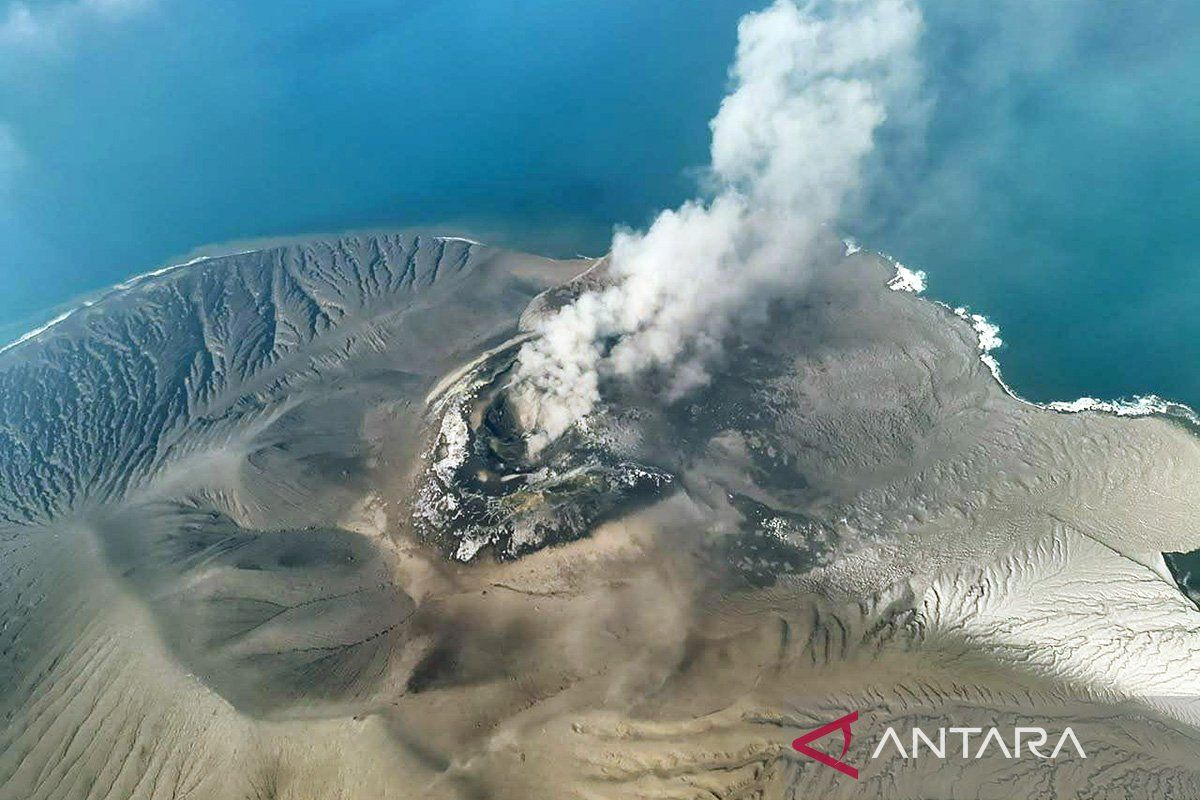
Morning Edition · Monday, September 7, 2026Published at 1:14 AM EDT · New York
Anak Krakatau Eruption Closes Eight Indonesian Airports and Grounds Flights at Jakarta's Main Hub
Authorities opened five alternative airports around the clock and are preparing cloud-seeding operations to wash volcanic ash out of the air over 3.3 million elderly residents.
Anak Krakatau erupted on Sunday and forced the cancellation of all flights at Jakarta's Soekarno-Hatta International Airport, Euronews reported, stranding thousands of passengers. Eight airports closed in total. The Indonesian government extended operating hours at five alternative airports to 24 hours a day to keep national air connections running, Antara reported.
The National Disaster Mitigation Agency is preparing weather modification flights to induce rainfall that would clear suspended ash from the atmosphere, Antara reported separately. The Health Ministry said about 3.3 million elderly people live in the areas around the volcano and face respiratory risk from the ash fall, according to Antara. A separate wildfire on Mount Semeru in East Java burned more than 3,000 hectares before ground crews extinguished it.
Anak Krakatau sits in the Sunda Strait between Java and Sumatra, on the approach path to the busiest airport in Southeast Asia and near the sea route linking Indonesia's two most populous islands. Volcanic ash damages jet engines, which means airlines cannot fly through it regardless of visibility, and the closure decision is made by aviation authorities rather than by carriers.
Indonesia is the world's largest exporter of thermal coal, refined tin and palm oil, and its ports and airports are the single channel through which those goods reach buyers in China, India and Europe.
Part of a tracked trend
Disasters as Political and Supply Shocks
Major natural disasters in commodity-producing states translate into political instability and supply disruptions that markets increasingly have to price, recurring as climate and geological shocks hit fragile economies.
What this means
The exposure runs through logistics rather than through production. A grounded hub at Soekarno-Hatta interrupts air freight for high-value electronics and perishable goods and strands crew rotations that take days to restore even after the ash clears. If the eruption continues and ash drifts across the Sunda Strait shipping lanes, the affected trade shifts from air freight to bulk commodities, where Indonesia supplies a large share of world coal and tin. Airlines operating Southeast Asian networks and Indonesian domestic consumers of imported goods carry the first costs.
What to watch
- Whether Soekarno-Hatta resumes normal operations within days or the closure extends, the difference between a scheduling problem and a supply problem.
- Ash dispersal over the Sunda Strait, because shipping restrictions there would affect coal and tin loadings rather than only passenger flights.
- Indonesia's volcano alert level for Anak Krakatau, the official signal for whether authorities expect further eruptions.
Observations to monitor, not financial advice.
Townsquare
Start a discussion in Townsquare.
More from this edition
- Iran Declares a Restricted Sea Zone Outside Hormuz After United States Strikes Three Oil Tankers
- Japan Sold $87.8 Billion of Foreign Securities to Pay for Its Largest Monthly Yen Intervention
- Stronger American Payrolls Revive Rate-Hike Expectations and Pull Silver Down 3%
- Beijing Injects 360 Billion Yuan Into State Banks and Insurers, Funded by Special Treasury Bonds
- Alternative for Germany Takes 44.5% in Saxony-Anhalt and Falls Three Seats Short of a Majority
- Liquid Network Halts After a Software Bug Produced 4,000 Bitcoin Out of Nothing
- Nvidia's $12.9 Billion Purchase of Hugging Face Puts Europe's Open-Model Base Under American Ownership
Comments
0No comments yet.