← The Global Intelligence Brief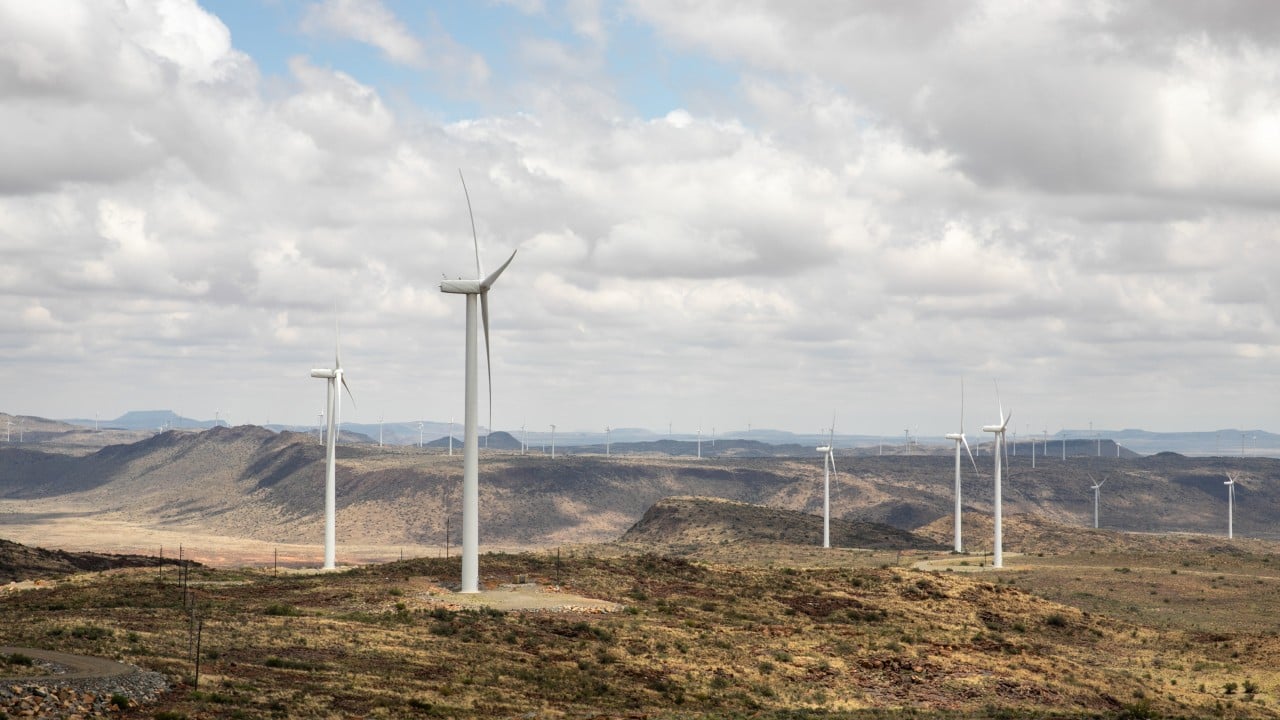


 3 sources
Morning Edition · Monday, September 7, 2026Published at 1:14 AM EDT · New York
Russia and China Compete for Africa With Arms and Solar Panels as Iran Says Blockades No Longer Work
Rosoboronexport reports rising African demand for Russian weapons, Chinese renewable equipment is undercutting American oil promotion on the continent, and Tehran's business chamber says a multipolar economy makes total isolation impossible.
Alexander Mikheyev, chief executive of the Russian state arms exporter Rosoboronexport, said African interest in Russian weapons grows every year and that African armed forces remain long-standing users of Soviet and Russian equipment, TASS reported. The claim comes from the seller and no independent order figures accompany it, but African procurement patterns have been shaped for decades by the maintenance and training costs of switching platforms.
On the civilian side, the South China Morning Post reported that Chinese solar and battery equipment is winning African energy contracts against American promotion of oil and gas development, and that cost is the deciding factor for most governments on the continent rather than any position on climate policy. Chinese manufacturers can quote a delivered price per unit of installed capacity that United States exporters cannot match.
From Tehran, the head of the Iran-Russia joint chamber of commerce told Iran's state news agency, IRNA, that the purpose of American sanctions is to raise the cost of Iranian transactions rather than to stop them, and that in a multipolar world an absolute economic blockade is difficult to sustain. He argued that shared commercial interest between states is the practical answer, and called for reducing the cost of Iranian foreign trade.
Those three statements describe one process from three positions. Sanctions and export controls raise the cost of using the dominant financial and industrial network, and every increase in that cost improves the relative position of an alternative supplier who does not require access to it. The alternative is more expensive in absolute terms and less capable, which is why it did not win before, and it wins now because the comparison has changed.
Part of a tracked trend
China Anchors a Parallel Bloc
China keeps deepening ties with neighbors and Global South states through high-level diplomacy, assembling a bloc that runs parallel to Western-led alliances and hardens a multipolar order.
Veracity: Plausible
71/100- If true, who benefits
Rosoboronexport gains a marketing claim ahead of a third Russia-Africa summit, Chinese solar and battery manufacturers gain African generation contracts on delivered price, and Tehran gains the argument that sanctions enforcement is failing.
- The nuance
Alexander Mikheyev's statement is accurately reported by TASS and Africa does account for a claimed 30% of Rosoboronexport's order book, but every figure originates with the seller and no independent registry such as the Stockholm International Peace Research Institute is cited, and the Chinese and Iranian claims in the same article are similarly self-interested statements of position rather than measured trade outcomes.
An open-source-intelligence read of how likely this story is true with its real nuance, not a judgment of any outlet. It assesses the claim, weighing independent and adversarial reporting. How we label confidence.
What this means
The channel is relative price. Each restriction on dollar clearing or Western technology transfer raises the delivered cost of the Western option and lowers the effective threshold a Russian, Chinese or Iranian supplier must clear to win the contract. Western defence exporters, energy service firms and banks lose share in African and Asian markets through that arithmetic rather than through any political decision, and Chinese renewable manufacturers and Russian arms exporters gain volume. The longer-run consequence is settlement infrastructure built to avoid the dollar, which reduces the reach of future sanctions.
Synthesized from: South China Morning Post · TASS · IRNA
Townsquare
Start a discussion in Townsquare.
More from this edition
- Iran Declares a Restricted Sea Zone Outside Hormuz After United States Strikes Three Oil Tankers
- Japan Sold $87.8 Billion of Foreign Securities to Pay for Its Largest Monthly Yen Intervention
- Stronger American Payrolls Revive Rate-Hike Expectations and Pull Silver Down 3%
- Beijing Injects 360 Billion Yuan Into State Banks and Insurers, Funded by Special Treasury Bonds
- Alternative for Germany Takes 44.5% in Saxony-Anhalt and Falls Three Seats Short of a Majority
- Liquid Network Halts After a Software Bug Produced 4,000 Bitcoin Out of Nothing
- Nvidia's $12.9 Billion Purchase of Hugging Face Puts Europe's Open-Model Base Under American Ownership
Comments
0No comments yet.