← The Global Intelligence Brief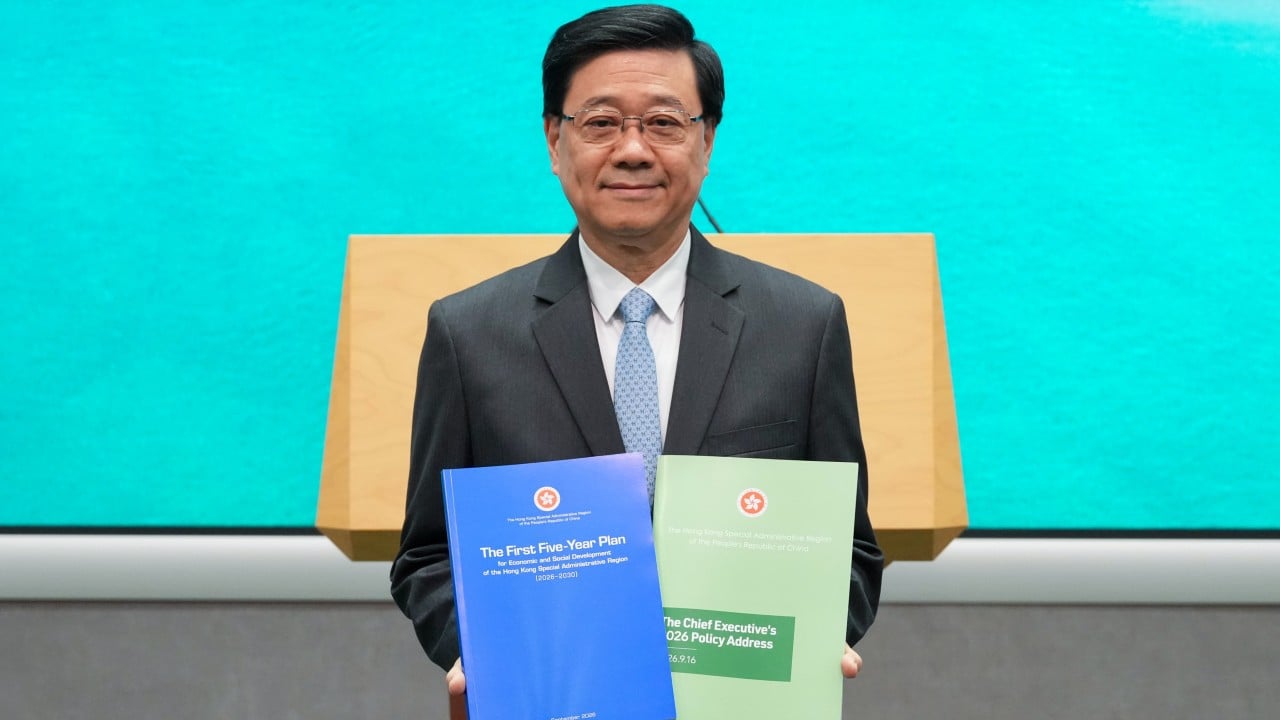

 3 sources
Morning Edition · Tuesday, September 15, 2026Published at 1:19 AM EDT · New York
China's Investment Decline Deepens to 7.2 Percent as August Retail Sales Miss Forecasts
Factory output beat expectations with 5.2 percent growth, leaving Beijing with strong production and weak domestic demand at the same time.
China's National Bureau of Statistics reported that fixed-asset investment fell 7.2 percent in the first eight months of the year, a steeper decline than the 6.7 percent drop recorded through July. Retail sales grew 0.4 percent from a year earlier, below the 0.8 percent economists had forecast and slower than July's 0.6 percent gain. Industrial output was the one positive surprise, rising 5.2 percent against a forecast of 4.8 percent. The Financial Times reported that the weaker domestic figures increase pressure on policymakers to spend more, and CNBC noted the same split between factories and consumers.
That split defines the current economic cycle. Capital spending is contracting because the property and infrastructure boom of the past decade left behind assets that cannot earn back their cost of capital, and that unwinding is still underway. Production keeps rising because state credit and industrial policy support factories regardless of what households buy. The gap between the two is exported abroad, in the form of cheap goods and downward pressure on prices in every market that buys Chinese exports.
Policy is moving toward more state planning, not less. In Hong Kong, Chief Executive John Lee Ka-chiu said the territory's first five-year plan will contain both binding and aspirational targets, while insisting that the blueprint does not signal a move toward a planned economy. The distinction matters mainly to investors trying to gauge how much of Hong Kong's rulebook is now set in Beijing.
Foreign financial firms are still building capacity there. Citigroup appointed veteran banker Sophia Wang as head of China financial-institutional sales, continuing its expansion in mainland capital markets despite the slowdown and the political friction surrounding it. The bet is that a large, slow-growing market with deepening bond and equity issuance still generates fee income.
Part of a tracked trend
China's Demand Deficit and the Stimulus Reflex
Beijing keeps answering weak household demand with state-directed credit and production support rather than transfers to consumers, so industrial overcapacity persists and China keeps exporting price deflation and trade friction to the rest of the world.
What this means
Weak Chinese household demand paired with strong factory output means China keeps supplying goods disinflation to the rest of the world at the same time energy is supplying inflation. Commodity exporters that sell to Chinese construction, particularly Australia and Brazil, lose through reduced iron ore and copper volumes tied to fixed-asset investment. Manufacturers in Europe, India and Southeast Asia face price competition from Chinese factory capacity that domestic consumption cannot absorb, which is why tariff action against Chinese goods keeps recurring.
What to watch
- Whether Beijing announces direct support for consumption rather than another investment program. Direct transfers to households would mark a real change in the policy model, while more project lending would repeat the pattern that produced the current investment decline.
- Chinese export prices in the coming months. Continued declines would show that overcapacity is being pushed abroad and would raise the likelihood of new tariff responses from trading partners.
- Iron ore and copper demand from Chinese construction. A further drop would confirm the property correction is still working through the economy rather than stabilizing.
Observations to monitor, not financial advice.
Synthesized from: Financial Times · South China Morning Post · South China Morning Post
Townsquare
Start a discussion in Townsquare.
More from this edition
- US 10-Year Yield Touches 5 Percent as Bond Selling Spreads to Japan and Europe
- Saudi Arabia Issues Danger Alerts for Yanbu and Five Other Cities as Brent Trades Near $107
- Bitcoin Falls to $77,800 Before Senate Procedural Vote on Crypto Market Rules
- Kioxia Weighs $10 Billion US Listing Days After Chip Stocks Fell on AI Warnings
- NATO Jets Shoot Down Drone Over Lithuania as Russia Strikes Fuel Stations in Kyiv
- Berlin Seeks Guarantees on Jobs as UniCredit Approaches Control of Commerzbank
- China Opens 500-Tonne Rubidium and Caesium Line as It Tightens Exit Rules for Sensitive Staff
Comments
1Sep 15, 5:19 AM
The growing wedge between industrial output and retail sales will mechanically widen China's trade surplus as excess production is exported, which tends to intensify protectionist pressure from trading partners.