← The Global Intelligence Brief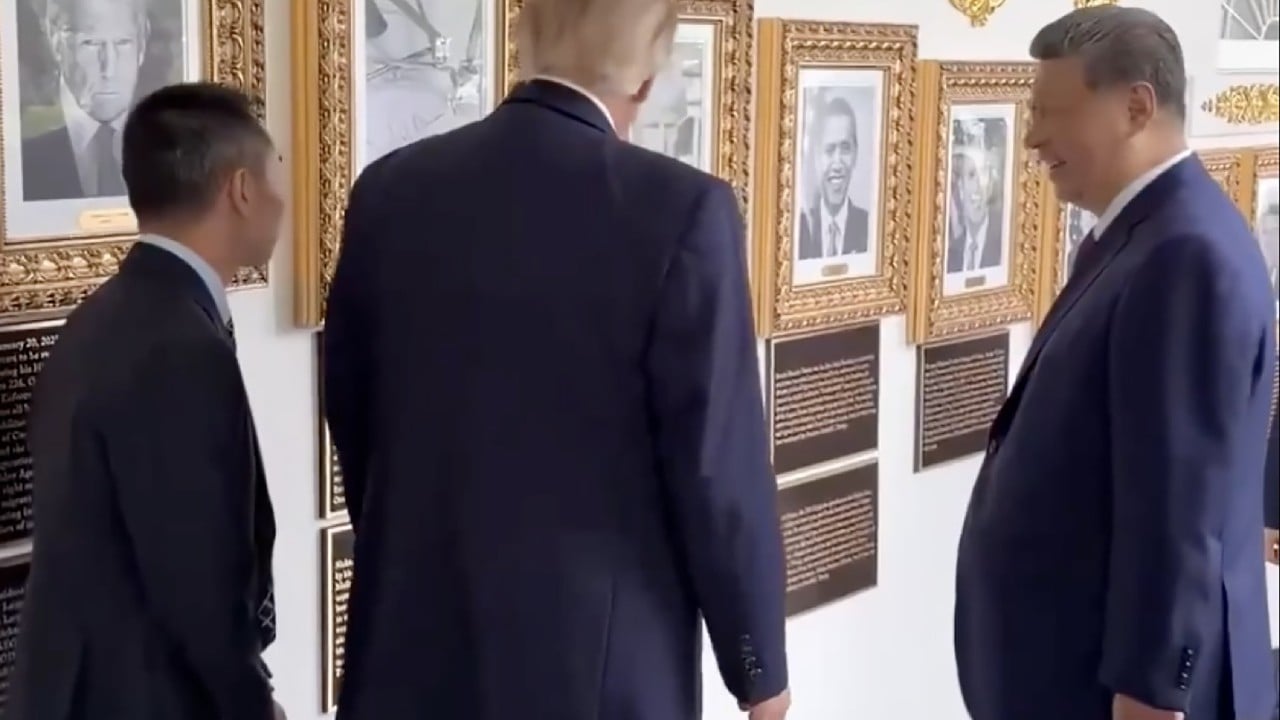


 4 sources
Morning Edition · Friday, September 25, 2026Published at 1:16 AM EDT · New York
Trump and Xi Extend Their Tariff Truce to January Without Settling Any Dispute
Xi Jinping's first visit to Washington in more than a decade produced a deadline extension rather than agreements on rare earths, chip controls or Taiwan.
President Donald Trump received President Xi Jinping at the White House on Thursday for the Chinese leader's first visit to Washington in more than ten years. The two governments agreed to extend their trade truce into early 2027, pushing the deadline to January 10. The extension continues an arrangement that paused a tariff exchange in which duties on both sides had passed 100 percent. No settlement was announced on rare earth supply, on United States export controls for advanced chips, or on Taiwan, the three issues that dominated the agenda.
The symbolic elements of the visit carried more significance than the official statements. Chinese state-aligned coverage focused on tone and imagery, including Xi laughing during a White House tour at a framed autopen device displayed where a portrait of former president Joe Biden had hung, and Peng Liyuan's visit with Melania Trump to the Smithsonian National Museum of Asian Art. Both governments wanted to project an impression of stability.
Access to the visit was itself contested. A United States court ordered the White House to lift its ban on three news organisations, and CNN, MS NOW and Politico returned to the grounds on Thursday, though CNN and MS NOW said their journalists were still kept away from Xi's state dinner arrival.
For companies with supply chains spanning both economies, the outcome extends a deadline rather than removing the underlying risk. Each extension provides roughly one quarter of predictability on tariff rates, and each expiry restores the possibility of triple-digit duties on short notice. Washington wants Beijing to pressure Iran, and Beijing wants American arms sales to Taiwan to stop. Neither request was granted.
Veracity: Corroborated
92/100- If true, who benefits
Both leaderships gain a stability narrative, Chinese exporters gain another quarter of predictable access, and importers on both sides delay repricing landed costs.
- The nuance
The extension to January 10 is confirmed by Treasury Secretary Scott Bessent and multiple US outlets, but the prior Busan arrangement already paused Chinese rare earth export restrictions and carried a soybean purchase pledge, so "no settlement on rare earths" describes the absence of a new deal rather than an absence of terms.
An open-source-intelligence read of how likely this story is true with its real nuance, not a judgment of any outlet. It assesses the claim, weighing independent and adversarial reporting. How we label confidence.
What this means
A dated truce, rather than a treaty, keeps tariff risk on a calendar that corporate planners must plan around. Importers of Chinese components, American farm exporters and any manufacturer holding inventory into January carry the exposure, because a lapse would reprice landed costs immediately. Chinese exporters gain another quarter of predictable access to the American market, which supports near-term order books while doing nothing to slow Beijing's build-out of domestic chip and computing capacity. The two plausible paths from here are another rollover in January, which normalises permanent provisional terms, or a lapse that returns duties above 100 percent.
Synthesized from: South China Morning Post · South China Morning Post (cultural programme) · Euronews · Foreign Policy
Townsquare
Start a discussion in Townsquare.
More from this edition
- Brent Moves Above $106 After Houthis Claim New Strikes on Saudi Aramco Sites
- Japan Says Trump Raised the Weak Yen, and the Dollar Fell Toward 158
- Long-Term Treasury Yields Sit Near Their Highest Levels Since 2007 as Gold and Bitcoin Retreat
- Drone Strike Halts a Rostov Refinery as About 50 Aircraft Attack Southern Russia
- Russia's Ship Registry Grows by a Third as Enforcement Strips Tankers of Other Flags
- Brussels Tells London to Raise Tariffs on Chinese Cars or Face 'Made in Europe' Barriers
- A $40 Million Startup Prices an AI Model at Four Cents per Million Tokens
- Delegates Walk Out as Netanyahu Rejects Genocide Accusations at the United Nations
Comments
1Sep 25, 5:16 AM · edited
A January 10 expiry falls at the start of Q4 earnings season, requiring companies exposed to China supply chains to quantify truce uncertainty in guidance before any replacement framework is agreed.