← The Global Intelligence Brief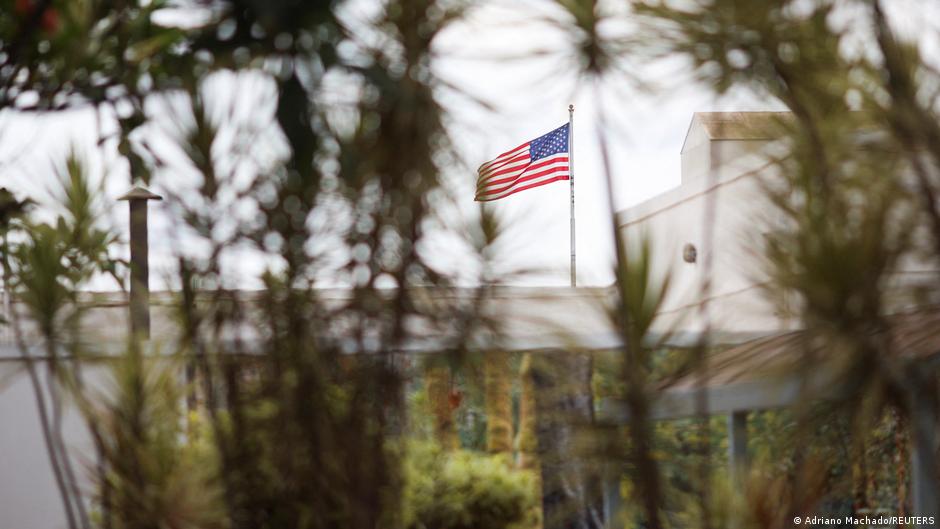


 3 sources
Morning Edition · Saturday, October 3, 2026Published at 1:22 AM EDT · New York
US and Australia close consular services in Brazil two days before a knife-edge election
Brazilian federal police executed search warrants over suspected plans against US diplomatic facilities, as polls show Lula and Flávio Bolsonaro effectively tied.
The United States suspended consular services in Brazil and Australia closed its embassy in Brasília on Friday, both citing security concerns, Deutsche Welle reported. Brazilian federal police executed search and seizure warrants in São Paulo and the Federal District as part of an investigation into suspected plans that could threaten US diplomatic facilities, describing the action as preventive and resulting from cooperation with foreign intelligence agencies. Reuters reported that no suspects have been identified and that the State Department did not link the measure to Sunday's vote.
Brazilians elect a president on October 4, along with governors, the entire Chamber of Deputies and two-thirds of the Senate. A runoff follows on October 25 if no candidate passes 50%. President Luiz Inácio Lula da Silva is seeking a fourth term against Senator Flávio Bolsonaro, and the two are essentially tied in the polls, with one survey showing Bolsonaro ahead 42% to 41% in a simulated second round and another giving Lula 47% to 45%.
The embassy closures and the police operation are not evidence of a coordinated threat to the election itself, and no authority has alleged one. What they establish is that the security services of three governments judged the risk around the vote high enough to act two days before polling.
Part of a tracked trend
Election Risk in Commodity Exporters
Closely contested elections in large commodity-exporting democracies keep injecting policy and security risk premiums into their currencies and local debt, recurring as fiscal constraints tighten and political polarisation deepens.
Veracity: Corroborated
86/100- If true, who benefits
Both Brazilian campaigns can read the closures as evidence of the threat they attribute to the other side, Washington gains cover for staff withdrawal without naming a source, and traders in the real gain a reason to hold volatility positions through the October 25 runoff.
- The nuance
The suspensions and the federal police warrants are documented, but the underlying intelligence is undisclosed, no suspect has been named, and the State Department has not connected the measure to the election, so the link between the security alert and the vote is temporal rather than established.
An open-source-intelligence read of how likely this story is true with its real nuance, not a judgment of any outlet. It assesses the claim, weighing independent and adversarial reporting. How we label confidence.
What this means
The exposure centers on the Brazilian real, local-currency sovereign debt, and the commodity exporters that dominate the Bovespa. A two-point gap in a presidential race with a near-certain runoff means policy uncertainty extends to late October, which keeps hedging demand and implied volatility on the real elevated and delays corporate investment decisions in mining, energy, and agriculture. Both candidates want to appear fiscally credible, and neither can commit to a budget until the second round is resolved. The precedent is the 2022 Brazilian election, when a narrow result produced weeks of volatility in the real and in local interest rates before fiscal plans became clear. The likelier outcome is a runoff on October 25 and continued currency and rate volatility through the month, with the direction set by which candidate's fiscal commitments markets find more credible rather than by ideology. A first-round majority for either candidate, or a decisive shift in the final polls, would shorten that period considerably.
Synthesized from: Deutsche Welle · Al Jazeera · Reuters via KFGO
Townsquare
Start a discussion in Townsquare.
More from this edition
- G7 agrees to release 100 million barrels of oil and diesel after Trump pressure
- US payrolls rose just 29,000 in September, pulling Treasury yields off a 24-year high
- Russia budgets 17.1 trillion roubles for defence in 2027, a 27% increase on earlier plans
- Jet drone strikes Kyiv's Northern Bridge as Russia reports damage in Kaluga
- Indian equities head for an eighth straight weekly decline as foreign investors keep selling
- Oman had barred Flydubai co-pilot from flying before attack on Israel-bound flight
- French student protests spread as more than 1,900 people are detained
- Satellite images show China accelerating runway work on Antelope Reef as Moscow warns Tokyo
Comments
0No comments yet.